
Ukraine’s Drone Evolution and Helicopter Adaptation Reshape Modern Warfare
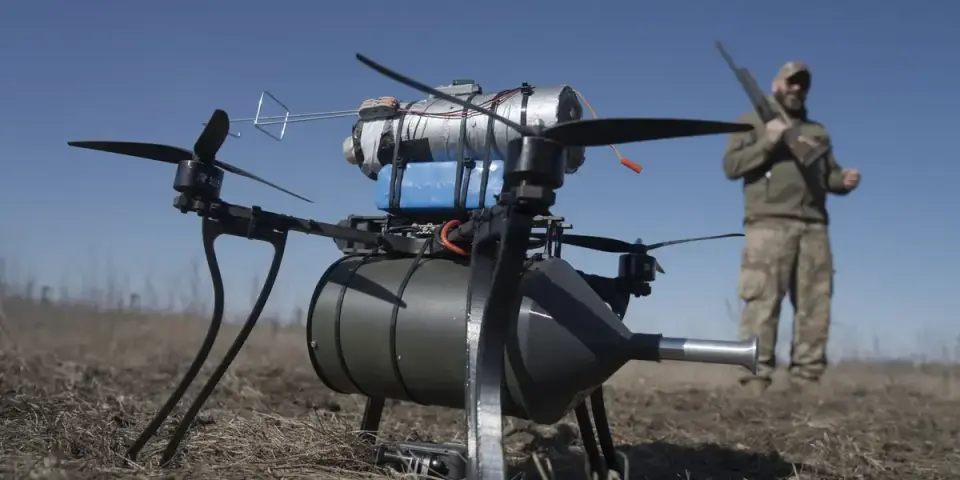
Ukraine’s rapid adaptation of drone technology and helicopter roles is fundamentally altering modern warfare. While ground robots and AI-assisted drones now handle frontline logistics and strikes, traditional attack helicopters have shifted from close support to long-range interception and air defense. This evolution highlights a broader shift toward decentralized, resilient defense ecosystems, as seen in Europe’s new Freyja missile coalition, to counter the limitations of single-source supply chains.
Key points
- Ukrainian military units are now capable of designing and battle-testing new drone iterations in weeks, a process that traditionally takes months or years for conventional armies.
- Ground robots are increasingly replacing human soldiers in dangerous frontline missions, such as retrieving wounded personnel and transporting them to safety.
- Attack helicopters have largely withdrawn from direct frontline operations due to heavy losses from MANPADS and FPV drones, instead adopting roles as mobile air defense platforms against slow-moving loitering munitions.
- The European defense coalition 'Freyja' was launched to create a decentralized system for intercepting ballistic missiles, aiming to reduce reliance on single manufacturers like the US-made Patriot system.
- Ukraine’s defense industry is prioritizing speed and reliability over 'perfect' systems, utilizing inexpensive airframes and non-satellite guidance to maintain operational resilience.
Background
This development follows a period of intense technological adaptation in the Russia-Ukraine conflict. Earlier coverage noted the growing influence of AI in various sectors, including cybersecurity and media, but the military application of AI in target identification and drone navigation is now becoming a critical battlefield factor. The shift in helicopter doctrine also reflects the broader impact of drone saturation, which has prevented meaningful territorial gains for either side in recent years.
How outlets are covering it
Business Insider emphasizes the rapid pace of technological innovation, noting that Ukrainian units can develop new drone iterations in weeks, a stark contrast to traditional military procurement cycles. The Washington Post focuses on the strategic implications, arguing that Ukraine’s experience proves the necessity of decentralized defense ecosystems to avoid single points of failure, as illustrated by the launch of the Freyja coalition. Ukrainska Pravda provides a tactical perspective, detailing how helicopters have been repurposed as air defense assets to conserve expensive interceptor missiles, while also highlighting the new vulnerability of these aircraft to FPV drones. Ukrainian National News highlights the government’s focus on increasing the supply of domestic interceptor drones and strengthening air force capabilities through international partnerships.
Why it matters
The evolution of Ukrainian military technology and doctrine offers a critical lesson for global defense strategies. The shift from centralized, high-cost systems to decentralized, rapid-adaptation models suggests that future conflicts will prioritize speed, resilience, and redundancy over traditional platform superiority. This trend could influence how democracies structure their defense industries and allocate resources in an era of rapid technological change and supply chain vulnerabilities.
What to watch
Expect continued expansion of the Freyja coalition and increased investment in decentralized defense ecosystems. Ukraine is likely to further integrate AI into its drone operations, potentially moving toward autonomous target engagement. Additionally, the development of new countermeasures against FPV drones and the continued adaptation of helicopters for air defense roles will be key areas of focus for military planners.
- We went back to Ukraine and were stunned at how much its weapons have evolved in just one year Business Insider
- Opinion | What Ukraine’s drone makers know that the Pentagon doesn’t The Washington Post
- Helicopters in the age of drones: how the Russia-Ukraine war is reshaping military aviation doctrine Українська правда
- Khmara visited aviation and air defense units of the Air Force, discussed the protection of the sky Українські Національні Новини (УНН)
- Drones Were Winning Ukraine The War. Then Russia Changed The Game | World News News18
Want the full story? Read the original reporting
Read on Business Insider