
Ukraine Sinks Russian Corvette in Libya, Marking First Confirmed Naval Strike in Mediterranean
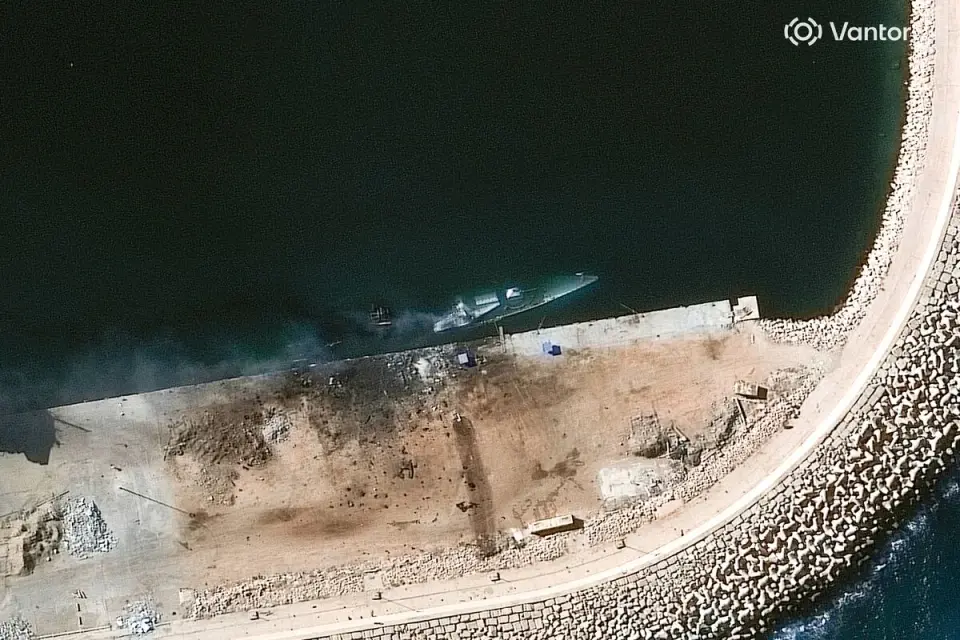
Ukraine claimed responsibility for sinking the Russian corvette Merkury and damaging the cargo ship MV Angara off the coast of Libya using seven sea drones. President Volodymyr Zelenskyy described the operation as exemplary, marking the first confirmed Ukrainian naval strike in the Mediterranean. The attack, conducted by the Security Service of Ukraine (SBU), destroyed a Ka-27 helicopter and targeted Russian logistics in a region where Russia has deepened ties with eastern Libyan authorities. While Kyiv framed the strike as a response to Russian aggression, Libyan and UN officials condemned the action as a violation of sovereignty and a potential destabilizer for the region.
Key points
- Ukraine deployed seven domestically made sea drones to sink the Russian corvette Merkury at Benghazi’s naval base and damage the cargo ship MV Angara.
- President Zelenskyy stated the operation was conducted by the SBU and aimed to disrupt Russian military logistics and weapon transport.
- The strike occurred approximately 2,400 kilometers from the front line, demonstrating Ukraine’s expanding reach into the Mediterranean Sea.
- Libyan authorities and the UN condemned the attack, warning it could draw Libya into broader regional conflicts and violate its sovereignty.
- Russia has not officially confirmed the loss of the vessel, though analysts note the Merkury was a relatively new addition to the Russian navy.
Background
This incident follows a pattern of Ukrainian long-range strikes against Russian assets, including recent attacks on oil terminals in the Baltic Sea and airfields in Russia. Ukraine has increasingly relied on drone technology to counter Russia’s naval dominance, having previously sunk a significant portion of the Black Sea Fleet. The current strike extends this strategy into the Mediterranean, a region where Russia has sought to expand its influence following the fall of its Syrian base in 2024. Previous Ukrainian operations in the Mediterranean, such as the March strike on the Arctic Metagaz tanker, had not been officially acknowledged by Kyiv until now.
How outlets are covering it
Bloomberg and The New York Times emphasize the strategic significance of the strike, highlighting Ukraine’s ability to project power far beyond the Black Sea and the involvement of the SBU in covert operations. NPR focuses on the technical details of the attack, noting that Libyan officials reported at least four drones were intercepted while two hit the target, resulting in 10 injuries. The New York Times also notes the geopolitical implications, suggesting the strike could deter other countries from using eastern Libyan ports for Russian logistics. In contrast, Libyan and UN officials, as reported by all sources, condemn the action as a violation of sovereignty and a potential catalyst for regional instability. Russian officials have not provided a substantive response, deferring to the Defense Ministry, while some analysts question the long-term sustainability of such high-risk operations in crowded civilian waters.
Why it matters
The strike signals a significant escalation in the Russia-Ukraine conflict, extending the war into North Africa and challenging Russia’s growing influence in the Mediterranean. It demonstrates Ukraine’s evolving naval capabilities and its willingness to target Russian assets globally. The incident also raises concerns about regional stability in Libya, a country already divided by rival governments, and could strain Ukraine’s relationships with Western allies if civilian vessels are affected. The attack may also impact Russia’s oil and gas supply chains, which are critical to its war effort, as noted by trade analysts.
What to watch
Russia may respond with increased naval presence in the Mediterranean or retaliatory strikes against Ukrainian infrastructure. Libya could face increased pressure from both Russia and Western nations, potentially deepening its internal divisions. Ukraine may continue to expand its drone operations into new regions, though it must balance the risks of civilian casualties and diplomatic fallout. The UN may push for an independent investigation into the strike, as requested by the eastern Libyan government, which could lead to further international scrutiny of Ukraine’s operations.
- Ukraine Sinks Russian Warship off Libyan Coast as War Widens Bloomberg.com
- Ukraine’s Attack Off Coast of Libya Shows Reach of Its Naval Drones The New York Times
- Russian navy licks its wounds as another warship is sunk Financial Times
- Zelenskyy hails Ukraine's attack on a Russian warship docked at a naval base in Libya NPR
- Ukraine sinks Russian warship, strikes cargo ships from Mediterranean to Baltic Ars Technica
Want the full story? Read the original reporting
Read on Bloomberg.com