
Ukraine's 28-Robot Assault Fails, but Monthly UGV Missions Hit Record 31,000
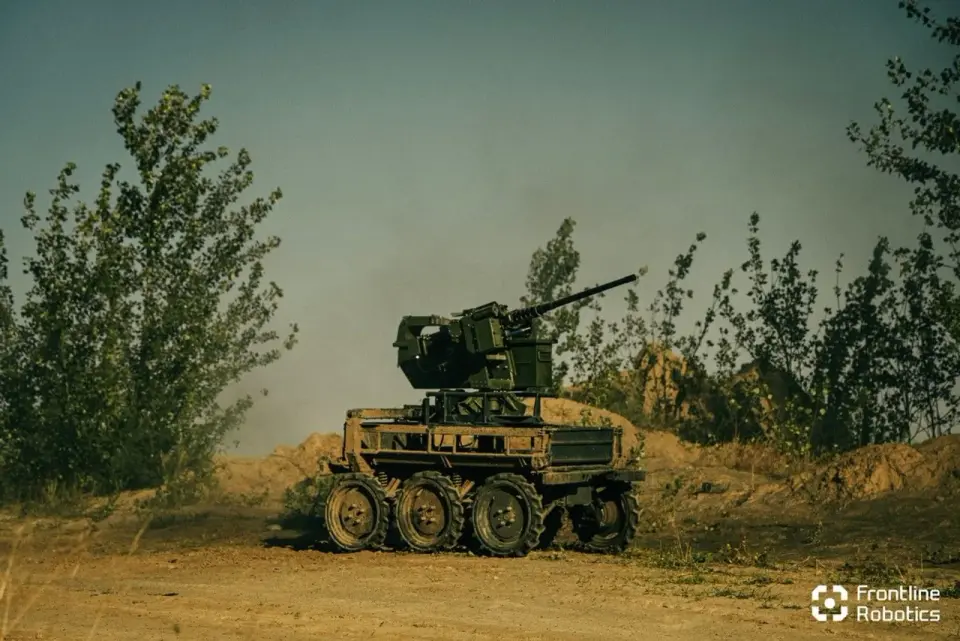
Ukraine launched its largest all-robot ground assault yet on October 30, deploying 28 unmanned ground vehicles (UGVs) near Druzheliubivka in Kharkiv Oblast. Russian forces repelled the attack using first-person view (FPV) drones, but the incident highlights a broader shift in the 57-month war. Ukrainian UGV missions reached a record 31,398 in October 2026, up from 7,511 in January. While the specific assault failed, Kyiv continues to scale robotic operations to compensate for severe manpower shortages, with former Defense Minister Mykhailo Fedorov targeting 25,000 new UGVs in the first half of 2026 alone.
Key points
- On or before October 30, the Ukrainian 3rd Assault Brigade deployed 28 UGVs in a daylight assault near Druzheliubivka, Kharkiv Oblast.
- The assault included eight self-exploding robots and 20 armed with grenade launchers; Russian FPV drones reportedly destroyed the force before it reached its targets.
- Ukrainian UGV missions hit a record 31,398 in October 2026, a fourfold increase from January's 7,511 missions.
- Former Defense Minister Mykhailo Fedorov stated Ukraine aims to acquire 25,000 UGVs in the first six months of 2026.
- Ukraine faces a shortage of tens of thousands of trained infantry, driving the rapid adoption of robotic systems for logistics, evacuation, and combat.
Background
This development follows the successful 'Operation Vivaldi' counteroffensive in the Donbas, which reclaimed 176 square kilometers since May by utilizing remote-controlled vehicles and air-dropped robots. Earlier in 2026, Ukrainian forces pioneered amphibious UGV logistics and 'Gryphon' tactics, where heavy drones air-drop robots behind enemy lines. The current surge in UGV usage reflects a strategic pivot from traditional infantry reliance to autonomous systems to mitigate high casualty rates in drone-saturated kill zones.
How outlets are covering it
Euromaidan Press emphasizes the tactical failure of the 28-UGV assault but frames it as a precursor to future successes, noting that UGVs are cheap and numerous. Business Insider highlights the human cost of this shift, reporting that soldiers are now spending more time in workshops modifying robots and planning missions remotely rather than engaging in physical infantry tasks. Ukrainska Pravda provides hard data on the scale of adoption, confirming the 31,398 mission record and linking it to a points-based incentive system for verified strikes. UNITED24 Media focuses on the evolving tactics, noting that Russian infantry faces new threats from these robotic formations, though the primary source notes Russian FPV drones remain the primary countermeasure.
Why it matters
The shift to robotic warfare is critical for Ukraine's survival given its manpower crisis. While individual assaults like the 28-UGV attack may fail, the sheer volume of missions (31,000+ monthly) indicates a sustainable, scalable alternative to human infantry. This technological adaptation allows Ukraine to maintain offensive pressure and logistical support in high-risk zones without incurring the same level of human casualties, potentially altering the long-term attrition balance of the war.
What to watch
Ukraine is expected to continue increasing UGV production and deployment, with targets of 25,000 units in the first half of 2026. Russian forces will likely continue to rely on FPV drones to counter robotic assaults, but the growing complexity of Ukrainian command systems and multi-layered communication backups may eventually overcome these defenses. Further all-robot amphibious and air assaults are anticipated as Kyiv seeks to offset infantry shortages.
- Ukraine just sent 28 armed robots at Russian lines with zero soldiers. Russia answered with robots of its own Euromaidan Press
- Ukraine Just Added One More Trick to Its Ground Robots—and Russian Infantry Won’t Like It UNITED24 Media
- Ukrainian forces carry out over 30,000 drone missions in single month for first time Українська правда
- Ukraine's Soldiers Are Getting New Jobs in the Robot War Business Insider
- Russians repel attack by Ukrainian ground-robots armed with RPGs, in futuristic assault (Ukraine Battlefield update, Day 1,716) EUobserver
Want the full story? Read the original reporting
Read on Euromaidan Press