
Ukraine’s Ground Robots Hit 31,000 Monthly Missions as New Tactics Face Russian Repulsion
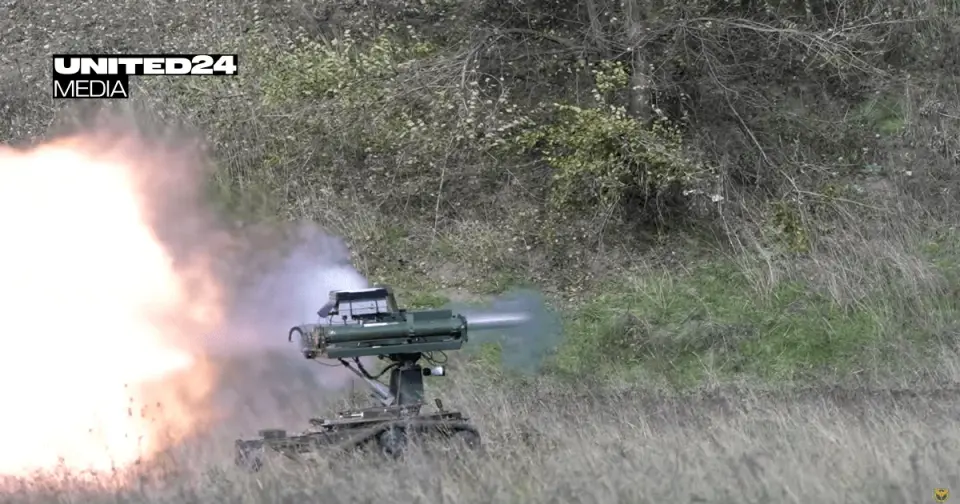
Ukrainian forces executed over 31,000 uncrewed ground vehicle (UGV) missions in October 2026, a record high that marks a fourfold increase from January. While these robots now handle logistics and evacuation, recent attempts to use them for direct assault have faced resistance. The 3rd Army Corps recently deployed dozens of armed robots in an attack near Orikhiv, but Russian forces repelled the effort. Despite setbacks, the shift toward robotic warfare is transforming soldier roles from infantry to remote operators and engineers.
Key points
- Ukraine’s Ministry of Defence reported 31,398 UGV missions in October 2026, the highest monthly figure since the start of the year.
- Mission counts have risen steadily from 7,511 in January to 31,398 in October, with verified missions earning soldiers e-points for the Brave1 Market.
- The 3rd Army Corps attempted a new assault tactic in Orikhiv and Mala Tokmachka using dozens of robots, including units armed with RPGs and US-made Mk 19 grenade launchers.
- Russian sources claim they repelled the robotic attack, which involved 28 drones, though the outcome remains unconfirmed by Ukrainian officials.
- Soldiers are increasingly working as remote operators and engineers, modifying robots in workshops and planning routes to avoid lethal drone surveillance zones.
Background
This development follows the 'Griffin' tactic introduced in September 2026, where heavy drones air-dropped armed ground robots behind Russian lines during Operation Vivaldi. Earlier reports indicated that UGVs handled 80% of logistics and 90% of evacuations in some units, significantly reducing human exposure. The current surge in mission numbers reflects a broader trend of integrating autonomous systems into daily operations, moving beyond simple supply runs to complex combat roles.
How outlets are covering it
Ukrainian officials emphasize the efficiency and safety gains of UGVs, with the Ministry of Defence highlighting the record October figures. Business Insider notes that while robots reduce the need for traditional infantry, human judgment remains essential for complex assaults in difficult terrain. EUobserver provides a contrasting view on combat effectiveness, reporting that a recent large-scale robotic assault was repelled by Russian forces, suggesting that current technology may not yet fully replace human soldiers in direct combat scenarios. Russian sources claim to have destroyed the attacking robots, but Ukrainian officials have not confirmed these specific losses.
Why it matters
The rapid scaling of UGV operations signals a fundamental shift in modern warfare, where technology is increasingly replacing human risk in logistics and evacuation. However, the mixed results of recent assault attempts highlight the current limitations of autonomous systems in complex combat environments. This trend could influence future military strategies and defense industry investments, as nations seek to balance human and robotic capabilities on the battlefield.
What to watch
Ukrainian forces are expected to continue refining UGV tactics, including the 'Griffin' air-drop method and new engagement strategies. The defense industry is scaling production to meet demand, with companies like Ratel Robotics expanding output. Future developments may include more autonomous capabilities and improved countermeasures against Russian electronic warfare and drone threats.
- Ukraine Just Added One More Trick to Its Ground Robots—and Russian Infantry Won’t Like It UNITED24 Media
- Ukrainian forces carry out over 30,000 drone missions in single month for first time Українська правда
- Ukraine's Soldiers Are Getting New Jobs in the Robot War Business Insider
- Russians repel attack by Ukrainian ground-robots armed with RPGs, in futuristic assault (Ukraine Battlefield update, Day 1,716) EUobserver
- Ukrainian drone company unveils new combat and logistics ground robots – photos Yahoo
Want the full story? Read the original reporting
Read on UNITED24 Media