
Ukraine's NC13 Unit Deploys Kamikaze Ground Robots with Grenade Launchers in Vivaldi Offensive
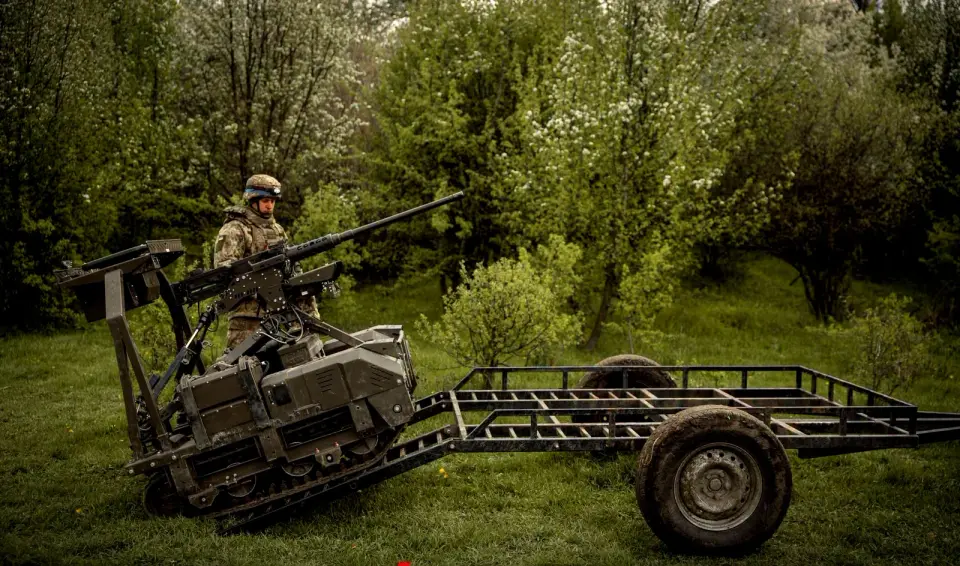
Ukraine's Third Army Corps has introduced a new robotic tactic in the Operation Vivaldi counteroffensive near Lyman, Donetsk Oblast. The experimental NC13 unit, the world's first dedicated unmanned ground-strike vehicle unit, has equipped its kamikaze ground robots with dual Bullspike grenade launchers. These robots, controlled remotely from shelters dozens of kilometers behind the front line, attack Russian positions at close range and then detonate inside enemy shelters. This tactic aims to clear positions and inflict psychological damage without risking infantry casualties. The move is part of a broader shift toward autonomous warfare, where robots handle mine clearance, logistics, and direct assault, helping Ukraine reclaim over 125 square kilometers of territory and disrupt Russian pincer movements against the 'Fortress Belt' cities.
Key points
- The NC13 unit, part of Ukraine's Third Army Corps, has upgraded its kamikaze ground robots with two Bullspike grenade launchers each.
- The Bullspike launcher, derived from the Soviet RPG-22, has a direct-fire range of 150 meters and can penetrate 400 mm of armor.
- Robots are controlled remotely by operators from safe shelters, allowing them to strike, apply psychological pressure, and clear positions without human risk.
- Operation Vivaldi, led by Brigadier General Andrii Biletsky, has reclaimed over 125 square kilometers of territory near Lyman since May 2026.
- The offensive has disrupted Russian plans to encircle key 'Fortress Belt' cities like Sloviansk, Kramatorsk, and Kostiantynivka from the north and south.
Background
Ukraine's Third Army Corps has been a pioneer in integrating unmanned systems into frontline operations. Previous archive coverage highlights the corps' use of air-dropped robots and rapid mine clearance, which significantly reduced operational timelines and personnel casualties. The current development builds on these earlier successes, marking a shift from attritional warfare to operational-level breakthroughs through autonomous technology.
How outlets are covering it
Euromaidan Press emphasizes the novelty and effectiveness of the new grenade-launcher tactic, highlighting the psychological impact on Russian forces and the safety of Ukrainian infantry. Ars Technica focuses on the broader strategic impact of Operation Vivaldi, noting how robotic systems have helped defeat a Russian pincer movement and reclaim significant territory. Business Insider details the efficiency of robotic mine-laying, noting that drones can lay mines in two nights that would take humans two weeks. The Jerusalem Post provides a wider context, linking these battlefield innovations to former Defense Minister Mykhailo Fedorov's new 'Army of Robots' initiative, which aims to accelerate autonomous warfare and reduce reliance on human troops.
Why it matters
The deployment of grenade-launching kamikaze robots represents a significant evolution in modern warfare, showcasing how autonomous systems can reduce human casualties while maintaining offensive momentum. This tactic not only enhances Ukraine's ability to reclaim territory but also signals a broader shift in military strategy toward full autonomy, potentially influencing future conflict dynamics and defense technology development globally.
What to watch
Ukraine may further integrate these robotic tactics into other fronts, potentially expanding the use of autonomous systems for direct assault and logistics. The success of Operation Vivaldi could lead to increased adoption of similar technologies by other nations, while Russia may accelerate its own efforts to counter or replicate these innovations. The 'Army of Robots' initiative by Fedorov may also see rapid development, aiming to have humanoid robots in active combat roles within six months.
- New Vivaldi tactic: Ukraine's ground robots, each carrying two Bullspike grenade launchers, attack Russian positions and then detonate inside their shelters Euromaidan Press
- Robots make combat airdrops, clear mines as Ukraine defeats Russian pincer Ars Technica
- Drones only need 2 nights to lay a minefield that would take troops 2 weeks: Ukrainian corps Business Insider
- Former Ukrainian defense minister unveils 'Army of Robots' to accelerate autonomous warfare The Jerusalem Post
- Ukraine Sends Grenade-Launcher Robots Into Russian Positions Instead of Infantry UNITED24 Media
Want the full story? Read the original reporting
Read on Euromaidan Press