
Navy Investigation Blames Human Error and Blocked Sprinklers for 11-Hour USS New Orleans Fire
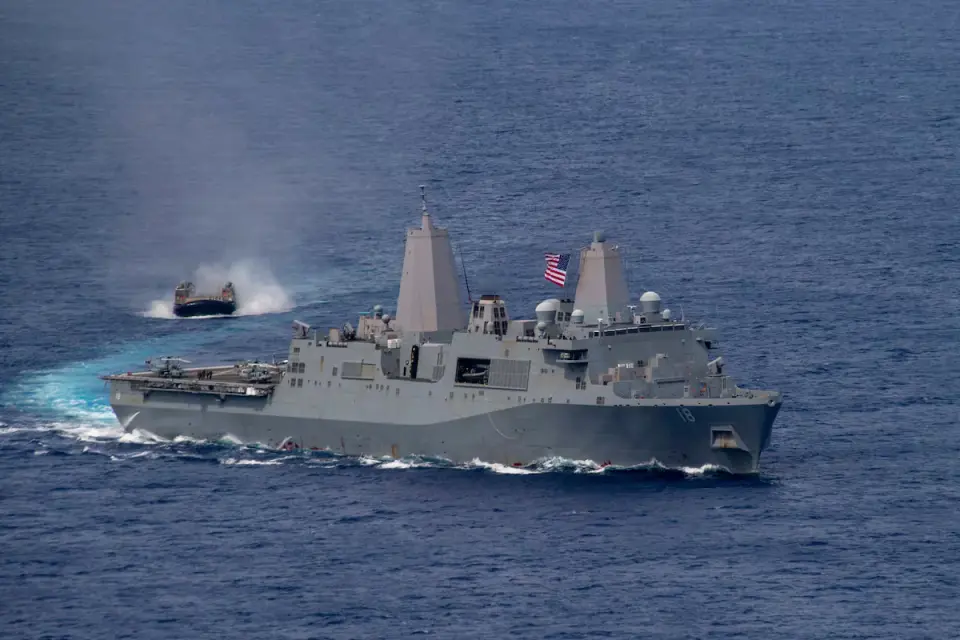
A U.S. Navy command investigation determined that an 11-hour fire aboard the USS New Orleans in August 2025 was exacerbated by human error, specifically the presence of 100 boxes of toilet paper blocking sprinkler heads and improper firefighting tactics. While the precise ignition source remains unknown, the report attributes the blaze to human interaction, either intentional or negligent. The incident caused approximately $12 million in damage and two minor injuries. The ship returned to service in January 2026 and subsequently participated in the Strait of Hormuz blockade. The Navy has since integrated lessons from this incident into damage control training and inspection requirements across the fleet.
Key points
- An 11-hour fire broke out aboard the San Antonio-class amphibious transport dock USS New Orleans on August 20, 2025, off the coast of Okinawa, Japan.
- The fire resulted in approximately $12 million in damage and left two service members with minor injuries.
- The command investigation did not identify a specific root cause but attributed the fire to human interaction, either intentional or due to negligence, after ruling out electrical or weather causes.
- The fire's duration was significantly extended because 100 boxes of toilet paper blocked sprinkler heads in a special clothing storeroom, acting as kindling.
- Hazardous materials, including aerosol cans, were found in the storeroom despite being prohibited.
- Investigators failed to locate the fire promptly despite alarm signals and lacked proper forcible entry equipment to break into the storeroom.
Background
This incident highlights ongoing challenges in naval damage control and fire safety protocols. While previous archive articles discussed unrelated topics such as tariff impacts on toilet paper prices and AI-led management decisions, they do not provide direct background for this specific naval fire. The current event stands as a distinct operational failure within the U.S. Navy's amphibious fleet, emphasizing the critical importance of proper storage, equipment readiness, and training in preventing and mitigating onboard emergencies.
Why it matters
The investigation underscores the severe consequences of procedural failures and poor storage practices in high-risk environments like naval vessels. The $12 million in damages and the 11-hour duration of the fire demonstrate how minor oversights, such as blocking sprinklers with non-compliant items, can escalate into major incidents. The subsequent integration of these lessons into Navy-wide training aims to prevent similar failures, ensuring that crews are better prepared to respond to emergencies. This case serves as a critical reminder of the need for strict adherence to safety protocols and regular inspection to maintain operational readiness and safety aboard military ships.
What to watch
The Navy will continue to enforce updated damage control training and inspection requirements across the fleet. The NCIS investigation into the precise ignition source remains ongoing. The USS New Orleans is currently active in service, having rejoined the fleet in January 2026.
Want the full story? Read the original reporting
Read on Navy Times