
British soldier court-martialed after ignoring SIM card order leads to sextortion
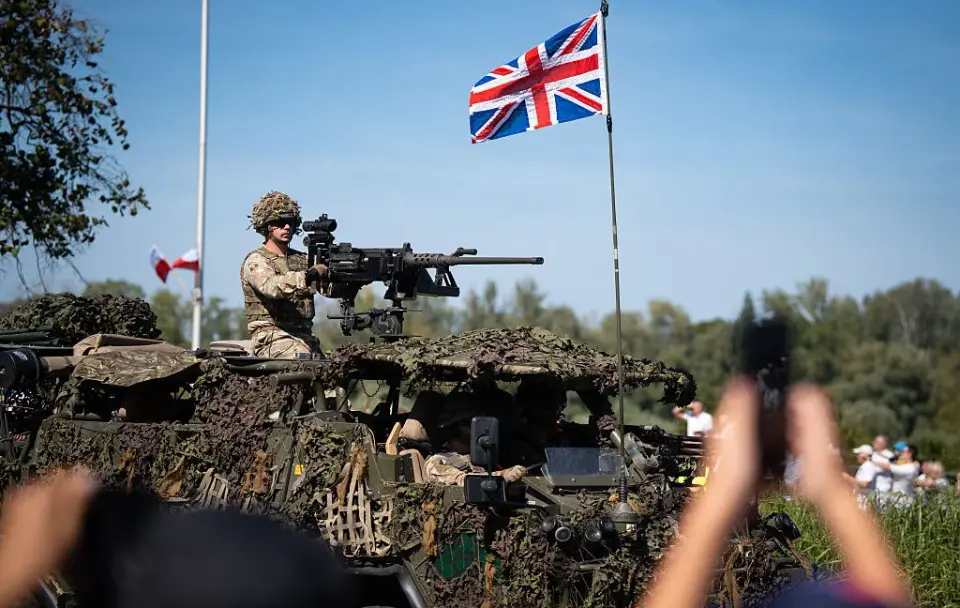
A British corporal was court-martialed and sentenced to 10 months in detention after refusing to remove his SIM card during a deployment to Estonia. The soldier admitted that this breach of operational security allowed hackers to access his device, steal nude photos, and blackmail him. Although he initially paid a small ransom, he refused a larger demand and reported the incident to his commander. His appeal against the sentence was denied in August 2026.
Key points
- Daniel Barton-Kennedy, a corporal with seven years of service in the 1st Battalion of the Duke of Lancaster Regiment, was deployed to Tapa, Estonia, for Exercise Eastern Warrior in January 2026.
- Prior to deployment, the unit received explicit orders to remove SIM cards, disable location settings, and use trusted virtual private networks on all personal electronic devices to maintain operational security.
- Barton-Kennedy ignored these instructions, resulting in his phone being hacked. On January 19, he reported receiving a message from an unknown party that had acquired nude photographs of him and identified him on social media.
- The soldier initially paid 100 pounds to the attacker but refused a subsequent demand for 250 pounds, at which point he informed his platoon commander of the compromise.
- He pled guilty to disobeying a lawful command at a hearing on July 30, 2026, and was reduced in rank and ordered to serve 10 months in detention.
- Barton-Kennedy appealed the sentence, arguing that without his phone he could not contact his daughter on her birthday or his pregnant partner, but the appeal was denied in August 2026.
Background
This incident highlights the strict operational security protocols enforced for British military personnel deployed near sensitive borders, such as the proximity of Tapa, Estonia, to Russia. While previous archive items discuss unrelated military and media topics, this case underscores the severe disciplinary consequences for failing to adhere to digital security measures in active duty zones.
Why it matters
The case serves as a stark warning about the risks of non-compliance with digital security protocols in military contexts. It demonstrates how a single lapse in operational security can lead to personal exploitation and significant career consequences, reinforcing the British Army's stance that breaches compromising personal safeguarding or operational security will face uncompromising disciplinary action.
What to watch
The sentence has been upheld following the denial of the appeal in August 2026. No further legal proceedings are indicated, and the case stands as a precedent for enforcing strict digital security compliance among deployed personnel.
Want the full story? Read the original reporting
Read on Ars Technica