
Wainwright fire: Wind shifts kill 4 in 60 seconds
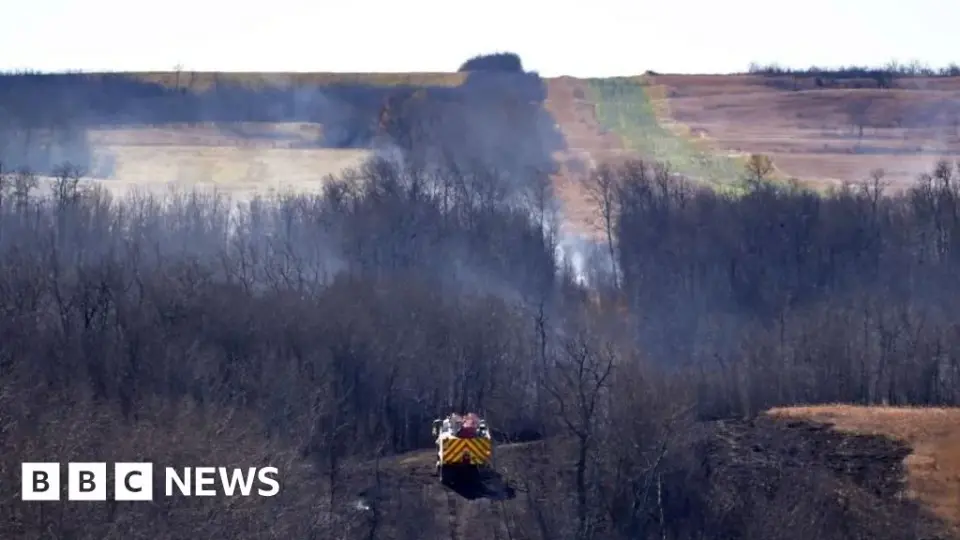
A fast-moving fire at Canadian Forces Base Wainwright killed four soldiers and injured 39 others during live-fire training on Saturday. Officials attribute the rapid spread to a sudden wind shift, though the initial cause remains under investigation.
Key points
- Four service members died and 39 were injured, with 19 in critical condition, during a live-fire exercise at CFB Wainwright on Saturday at 16:00 local time.
- Maj-Gen Wade Rutland stated the fire moved one kilometer in 30 to 60 seconds after a wind shift, a speed he described as abnormal.
- The deceased are identified as Sgt Morgan Wong, Pte Shaun Farrell, Pte Aidan Goulding, and Pte Hayden Lykkemark.
- Authorities ruled out terrorism and oil infrastructure involvement, though some witnesses reported hearing explosions.
- The incident triggered a 'code orange' emergency response, overwhelming local hospitals and requiring patient transfers to Edmonton, Red Deer, and Calgary.
Background
This incident occurred at CFB Wainwright, one of Canada’s busiest military training bases, which houses troops from Canada and allied nations. The base is located approximately 130 miles east of Edmonton and typically hosts around 690 military personnel and 300 civilian workers. The fire happened one day before a provincial referendum on Alberta’s potential separation from Canada, a topic that had dominated recent political discourse in the province.
How outlets are covering it
While all outlets agree on the casualty figures and the rapid spread of the fire, they differ on the cause. ABC News reported that multiple sources suggested a gas line or well was struck, igniting the explosion. In contrast, BBC and CBC reported that Maj-Gen Rutland explicitly stated authorities do not believe oil and gas infrastructure was involved, and that the cause remains unknown. CBC provided detailed meteorological data, noting a cold front shifted winds from southwesterly to northwesterly at 69 km/h by 4 p.m., which aligns with Rutland’s account of the sudden fire movement. ABC News focused more on the political response, including statements from NATO’s chair, while CBC and BBC emphasized the local community’s trauma and the overwhelmed healthcare system.
Why it matters
The incident highlights the extreme risks of live-fire training in Alberta’s wind-prone environment and the strain on regional emergency services. It has prompted a national mourning period and a month-long investigation, raising questions about safety protocols during high-intensity exercises. The tragedy also occurred amidst heightened political tensions in Alberta, adding a layer of national significance to the event.
What to watch
A full investigation into the cause of the fire is expected to take at least a month. Authorities will examine why the fire was not detected earlier and whether safety protocols were followed. The military will likely review training procedures in light of the rapid wind shifts that contributed to the disaster.
- Deadly fire at Canada military base moved a kilometre 'in 30 to 60 seconds' BBC
- Canadians mourning after fire kills 4 service members at CFB Wainwright CBC
- Carney Says Fire at Canadian Forces Base Wainwright in Alberta Killed 4 and Injured Dozens The New York Times
- 4 dead, 39 injured in explosion at Canadian military training base ABC News - Breaking News, Latest News and Videos
- Investigators search for cause of deadly blaze at Canadian military base NPR
Want the full story? Read the original reporting
Read on BBC