
EU Mandates Climate Adaptation Plans Amid 3C Warming Forecast
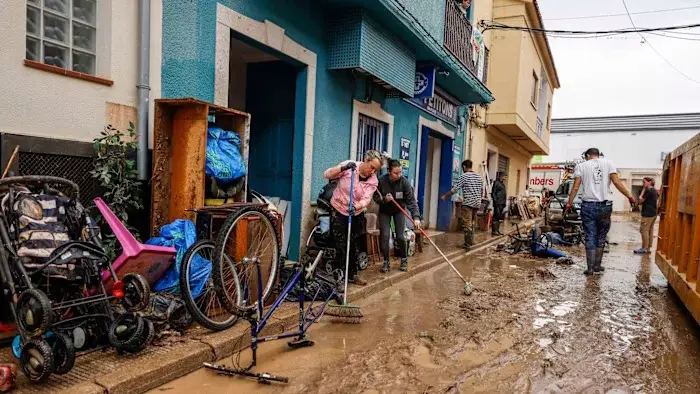
The European Commission has proposed new rules requiring member states to designate specific bodies responsible for managing climate risks, preparing for a potential 3C temperature rise by 2100. Climate Commissioner Wopke Hoekstra emphasized that mitigation alone is insufficient, citing 50,000 heat-related deaths in Europe this summer. The proposal lacks dedicated funding, relying on existing budget negotiations, and precedes the COP31 summit in Turkey.
Key points
- The draft proposal requires EU countries to assign clear responsibility for climate risk management across different economic sectors.
- EU projections indicate a 2C rise by 2050 and 3C by 2100, as Europe warms at twice the global average rate.
- A UN report found that current national commitments will only reduce emissions by 6% by 2035, far short of the 60% cut needed for 1.5C targets.
- The Commission estimates €70 billion annually is needed for adaptation until 2050, but no new funding mechanisms, such as fossil fuel levies, are included in the proposal.
- A legally binding 'duty' for public investments to consider climate risks was removed from the draft due to concerns over legal repercussions.
Background
This move follows a UN Environment Programme declaration in October 2026 that the 1.5C warming limit is no longer achievable, with current policies projecting 2.8C warming by 2100. Recent scientific studies also highlighted accelerating glacial melt and reversed natural cooling trends, underscoring the urgency of adaptation strategies alongside mitigation efforts.
How outlets are covering it
The Financial Times highlights the removal of a legally binding 'duty' for climate risk in public investments, noting concerns over legal repercussions. Euronews emphasizes the lack of new funding for household support and the reliance on the European Investment Bank's €30 billion climate fund. Montel News, while largely obscured by cookie consent text, aligns with the focus on future heatwaves and infrastructure resilience. All sources agree on the necessity of adaptation but differ on the adequacy of financial and legal commitments.
Why it matters
The proposal shifts EU policy focus from pure emissions reduction to resilience and preparedness, aiming to prevent political disputes over disaster response. However, the absence of dedicated funding and binding legal duties may limit its effectiveness, especially as climate impacts intensify and compete with other budgetary priorities like defense and agriculture.
What to watch
The proposal will be debated ahead of the COP31 climate summit in Turkey, where the EU aims to lead global climate action. Funding for adaptation measures will depend on ongoing negotiations over the EU's long-term budget, with climate spending competing against other priorities.
- EU tells countries to make plans to cope with 3C of global warming Financial Times
- EU Wants Countries to Draw Up Plans to Deal With Warming of 3C Bloomberg.com
- EU aims to be 'truly climate resilient' with new strategy Yahoo
- EU wants capitals to adjust to warming of 3°C Euronews.com
- EC sets out plans for future heatwaves, low river levels Montel News
Want the full story? Read the original reporting
Read on Financial Times