
Albania’s 'Flamingo Revolution' Escalates as Protests Demand Reversal of Luxury Resort Plans
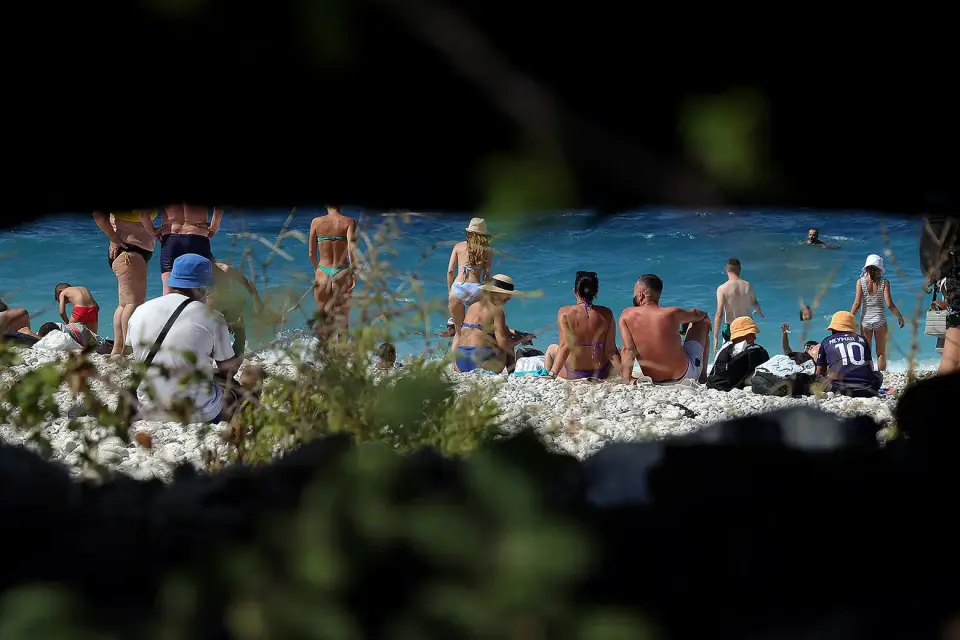
Daily protests in Tirana have persisted for over 100 days, driven by opposition to a luxury resort project on Sazan Island and the Zvernec peninsula. The movement, dubbed the 'Flamingo Revolution,' targets Prime Minister Edi Rama’s governance and the sale of protected ecological zones. While the project involves Ivanka Trump and Jared Kushner, locals frame the issue as a broader crisis of corruption and democratic erosion. The European Parliament has called for a moratorium on construction in protected areas, linking the dispute to Albania’s EU accession benchmarks. Construction has paused temporarily, but the government has not repealed the 2024 law enabling the development.
Key points
- Nightly protests in Tirana have continued for over 100 days, with crowds reaching 100,000 at peak, demanding the resignation of Prime Minister Edi Rama and the repeal of a 2024 law that opened protected areas to development.
- The controversy centers on a $1.4 billion to $5 billion luxury resort project involving Sazan Island and the Zvernec peninsula, which includes the Vjosa Narta, a protected area hosting over 200 bird species, including flamingos.
- Protesters reject the narrative that the movement is anti-American or anti-Trump, emphasizing instead that the issue is about corruption, land theft, and the sale of national resources by Rama’s government.
- The European Parliament voted in June to support the protesters, calling for an immediate moratorium on construction in protected areas and the repeal of the 2024 law, citing conflicts with EU environmental standards.
- Construction began in May 2026 but was temporarily halted due to the scale of the protests; however, the government has not officially abandoned the project or repealed the enabling legislation.
Background
Albania has been pursuing EU membership and economic development through tourism, but faces criticism for prioritizing rapid construction over environmental protection. Previous controversies, such as the sale of Lupita Island in Tanzania, highlight global trends in luxury real estate development in ecologically sensitive areas. The current dispute follows a 2024 legal change that reversed protections for the Vjosa Narta, a move that environmental groups had opposed for years. The protests represent a shift from localized environmental concerns to a broader national movement against perceived autocratic governance and corruption.
How outlets are covering it
Slate Magazine emphasizes the personal involvement of Ivanka Trump and Jared Kushner, framing the project as an example of elite entitlement and the broader impact of foreign investment on local communities. Le Monde highlights the role of 'starchitects' and Rama’s use of extravagant urban projects to project modernity, noting the movement’s critique of the architectural and political establishment. BirdLife International focuses on the ecological impact, stressing the threat to biodiversity and the lagoon’s integrity, and frames the dispute as a test of Albania’s commitment to EU environmental law. Citizens.al, through the voice of 212 architects, criticizes the exclusion of local professionals from the planning process, highlighting the disconnect between the government’s development model and professional standards. While Slate and Le Monde focus on the political and elite dimensions, BirdLife and Citizens.al emphasize the environmental and professional integrity aspects, respectively. All sources agree on the scale of the protests and the government’s resistance to reversing the project, but they differ in their emphasis on the causes and implications of the dispute.
Why it matters
The 'Flamingo Revolution' tests Albania’s commitment to environmental protection and democratic governance as it seeks EU membership. The outcome will influence how the country balances economic development with ecological preservation and public participation. The dispute also highlights the risks of foreign investment in protected areas and the potential for corruption to undermine national interests. If the government proceeds with the project, it may face further international scrutiny and damage its EU accession prospects. Conversely, a reversal could set a precedent for stronger environmental protections and public accountability in the region.
What to watch
The government is expected to continue resisting the repeal of the 2024 law, but the European Parliament’s call for a moratorium may pressure it to pause construction. Protests are likely to continue, with activists demanding a full reconstruction of Albanian democracy and an end to Rama’s tenure. The legal battle over land ownership in Zvernec will remain unresolved, with courts dragging their feet on final decisions. The project’s future will depend on whether the government can balance international investment with domestic opposition and EU requirements. If construction resumes, it may trigger further ecological damage and international criticism. If the law is repealed, it could signal a shift toward more sustainable development models in Albania.
- Ivanka Trump—and Everyone Else—Sees One European Country as the Next Mediterranean Tourist Mecca. I Went to See Why People Are So Mad. Slate Magazine
- Jared Kushner can’t conquer the Balkans newstatesman.com
- Albania's 'pink flamingo revolution' targets famous architects Le Monde.fr
- 100 days of the ‘Flamingo Protests’: A test of Albania’s European future BirdLife International
- Albania is being built without its professionals, 212 architects break the silence citizens.al
Want the full story? Read the original reporting
Read on Slate Magazine