
Portugal Enacts Face-Covering Ban, Joining European Trend
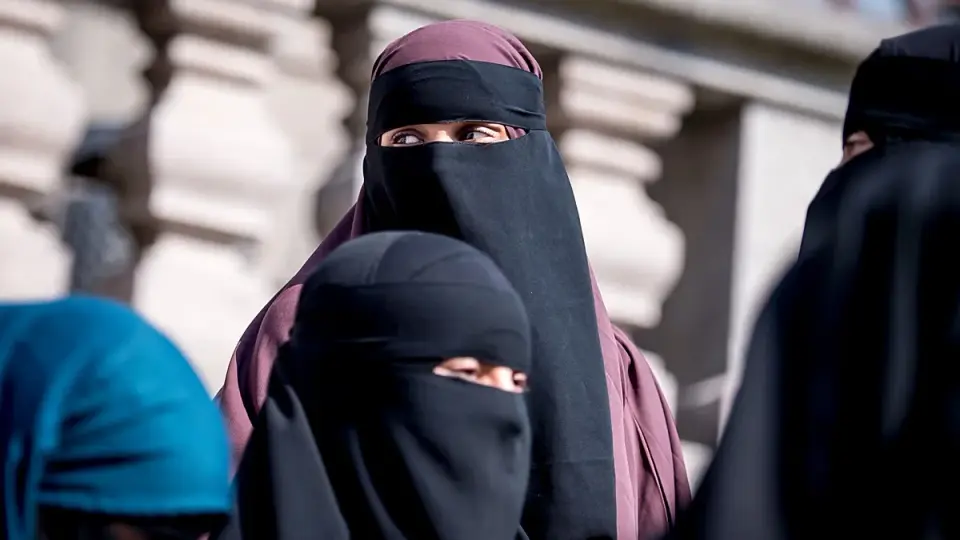
Portugal has officially enacted a law prohibiting full-face coverings in public spaces, joining a growing list of European nations with similar restrictions. President António José Seguro signed the measure, which carries fines ranging from 150 to 3,000 euros for violations. While the law includes exceptions for health, professional, and artistic reasons, critics argue it primarily targets Muslim women. This development highlights the divergent approaches to religious expression across Europe, ranging from total bans in France and Denmark to partial restrictions in the Netherlands and Germany.
Key points
- Portugal’s new law bans face coverings in public spaces, with fines of 150 to 3,000 euros for non-compliance.
- Exceptions are made for health, professional, artistic, weather-related, and worship-related contexts.
- France was the first European country to ban full-face coverings in 2011, followed by Belgium, Bulgaria, and others.
- Austria extended its ban to schools in 2025, prohibiting headscarves for girls under 14.
- The Netherlands and Germany have implemented partial restrictions in specific public settings like schools and hospitals.
- Spain and Sweden lack national bans, leaving decisions to local institutions or favoring individual rights.
Background
Europe has seen a gradual shift toward regulating religious attire in public spaces over the past decade. France pioneered the movement in 2011, followed by Belgium and Bulgaria. More recently, Austria expanded its restrictions to schools in 2025. Portugal’s latest move aligns with this trend, though the country previously maintained legal neutrality, allowing institutions to enforce neutral dress codes. The debate often centers on balancing security, social integration, and religious freedom, with varying outcomes across the continent.
How outlets are covering it
Euronews provides a comprehensive overview of European face-covering laws, highlighting the diversity of approaches from total bans to partial restrictions. Fox News emphasizes the Portuguese president’s rationale, citing social trust and gender equality, while noting the law’s exceptions. Global Arab Network focuses on the controversy, arguing the law targets Muslim women and restricts religious freedom. While Euronews and Fox News present the law as a security and integration measure, Global Arab Network frames it as discriminatory, reflecting a broader debate in Europe over the balance between secularism and religious expression.
Why it matters
Portugal’s new law signals a shift in the country’s approach to religious expression in public spaces, aligning it with other European nations. The ban could impact the daily lives of Muslim women and other individuals who wear face coverings for religious reasons. It also raises questions about the balance between security, social integration, and individual rights, a debate that continues to shape European policy. The law’s enforcement and potential social friction will be closely monitored, as it may influence similar discussions in other countries.
What to watch
Local authorities in Portugal will now focus on enforcing the new law, which could lead to increased social friction and marginalization of those who continue to wear face coverings for religious reasons. The impact on daily life, including access to services, education, and employment, will be a key concern. Additionally, the law may prompt further debates in other European countries about the balance between national legislation and individual religious expression.
- Full-face veils: How rules vary across Europe Euronews.com
- Portugal enacts 'burqa law' largely prohibiting face coverings in public Fox News
- Portugal bans burka in public The Telegraph
- Portugal bans full-face veils: 7 Asian, 3 African, 8 European countries also have similar restrictions | FULL LIST WION
- Portugal Implements New Public Face-Covering Ban Global Arab Network
Want the full story? Read the original reporting
Read on Euronews.com