
Maricarmen Abascal Dies in Hospital, Cementing Her Status as Spain's Housing Crisis Icon
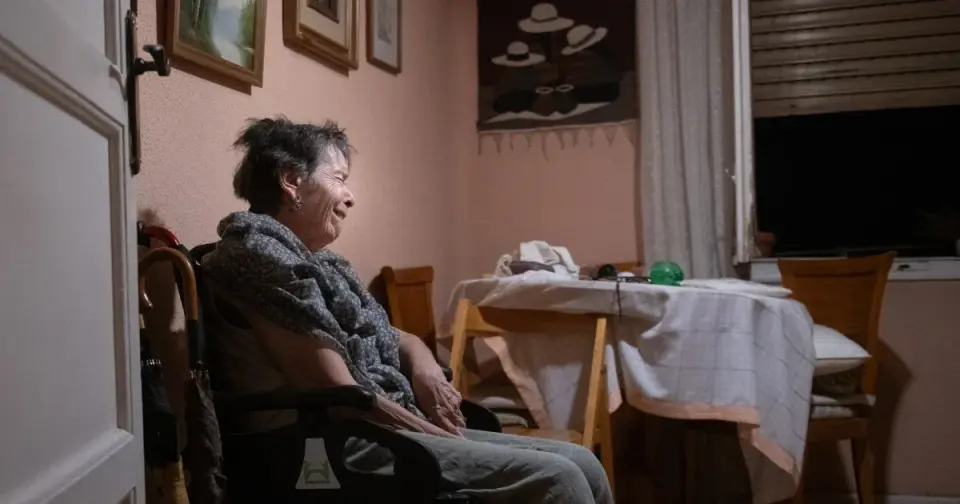
María del Carmen Abascal, the 87-year-old woman whose forced eviction from her Madrid home ignited a national housing crisis, has died in hospital. Her death occurred shortly after a deal was reached allowing her return, but too late for her to benefit. The incident catalyzed massive protests, a general strike, and an early election called by Prime Minister Pedro Sánchez.
Key points
- Maricarmen died on Wednesday after being hospitalized following her September 23 eviction.
- A deal allowing her return was reached but came too late, according to the Madrid Tenants' Union.
- Her death intensified protests, with demonstrators chanting 'Maricarmen lives, the fight goes on.'
- Prime Minister Sánchez called an early election for November 29 after failing to pass housing measures.
- The eviction involved a rent hike from €500 to €2,650 by a private investment company.
Background
Maricarmen Abascal lived in her Madrid apartment for over 70 years, first with her parents and later alone after retiring in 1998. Her eviction on September 23, 2026, was the fourth attempt by the landlord, Urbagestión, who sought to raise her rent by 230% to €2,650. The incident occurred amid a broader housing crisis, with average rents in Spain nearly doubling in the last decade. Prior to her death, she had become a symbol for renters struggling with affordability, with protests spreading across Spain after televised images of her removal on a stretcher.
How outlets are covering it
NBC News and The Associated Press emphasize the emotional impact of her death, highlighting condolences from Prime Minister Pedro Sánchez and Housing Minister Isabel Rodríguez. CNN focuses on the political fallout, noting Sánchez's call for an early election to seize momentum after his government failed to pass emergency housing measures. The Guardian provides detailed context on the rent hike and the subsequent 21 new housing decrees approved by Sánchez's cabinet, while also noting the opposition's stance. All sources agree on the widespread grief and anger among protesters, with some chanting 'It's not a death, it's murder.'
Why it matters
Maricarmen's death underscores the severity of Spain's housing crisis, where 26% of renters spend 40% of their income on rent and utilities, compared to the EU average of 18%. Her case has galvanized a social movement, prompting a general strike and intensifying pressure on political leaders to address housing affordability. The early election called by Sánchez aims to reinvigorate his Socialist Party and form a new government, with housing as a central issue.
What to watch
The early election is scheduled for November 29, 2026. Sánchez's government has approved two new housing decrees, which will be voted on by the permanent council of congress. The decrees include measures to facilitate renting or buying a new home, extend eviction protections, and regulate room rentals. The outcome of the election will likely determine the direction of Spain's housing policies and the future of the social movement sparked by Maricarmen's eviction.
- The 87-year-old woman whose eviction sparked nationwide protests in Spain dies NBC News
- 87-Year-Old Spanish Woman Whose Eviction Sparked National Protests Has Died People.com
- Maricarmen, the 87-year-old woman whose eviction shook Spain, dies in hospital Los Angeles Times
- Maricarmen: Evicted 87-year-old who became a symbol of Spain’s housing crisis has died CNN
- María del Carmen Abascal, symbol of Spain’s housing protests, dies aged 87 The Guardian
Want the full story? Read the original reporting
Read on NBC News