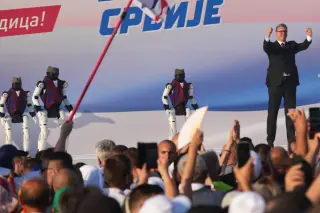
Serbia’s President Aleksandar Vucic announced at a rally that he will resign in the coming weeks, paving the way for early parliamentary elections and a transition of leadership ahead of the vote.
In Kosovo’s third election in 18 months, Prime Minister Albin Kurti’s Vetevendosje party led with about 43% of the vote as nearly 90% of ballots were counted, but the country remains in political stalemate with turnout at 36.3% and about 100,000 diaspora ballots still to be tallied, delaying government formation and Europe Union/NATO integration amid economic strain.
Tens of thousands of protesters in Serbia marked the first anniversary of the deadly Novi Sad railway station roof collapse that killed 16, demanding accountability and protesting corruption, with calls for early elections and ongoing investigations into government negligence.
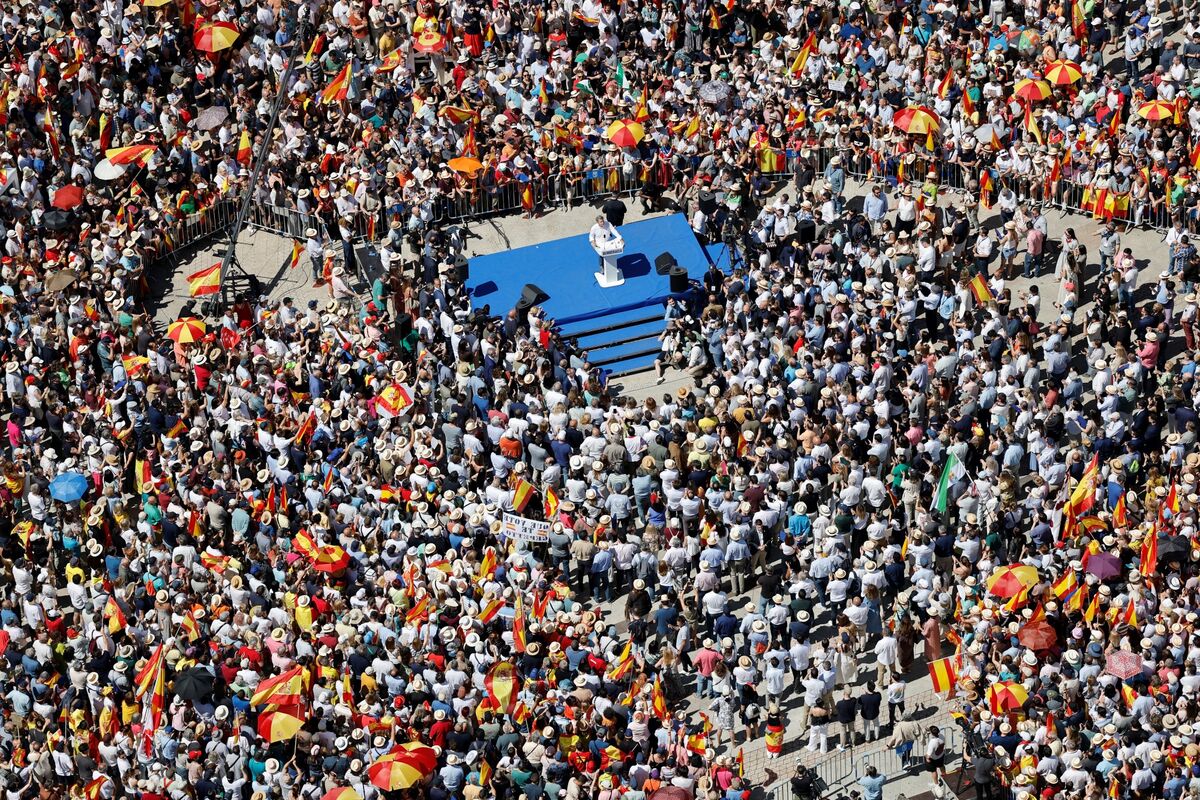
Spain's main opposition party organized a large demonstration in Madrid, demanding early elections amid corruption allegations against Prime Minister Pedro Sanchez's government, with over 100,000 attendees calling for accountability and change.
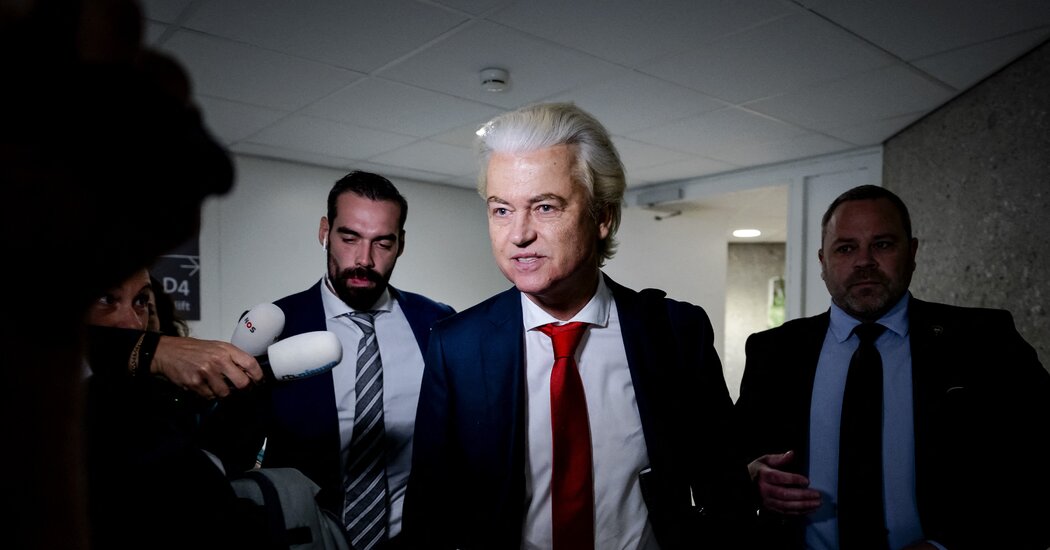
The Dutch government collapsed after far-right leader Geert Wilders withdrew his party from the coalition over disagreements on migration policies, leading to the resignation of Prime Minister Dick Schoof and the anticipation of early elections, amid ongoing debates on immigration in Europe.
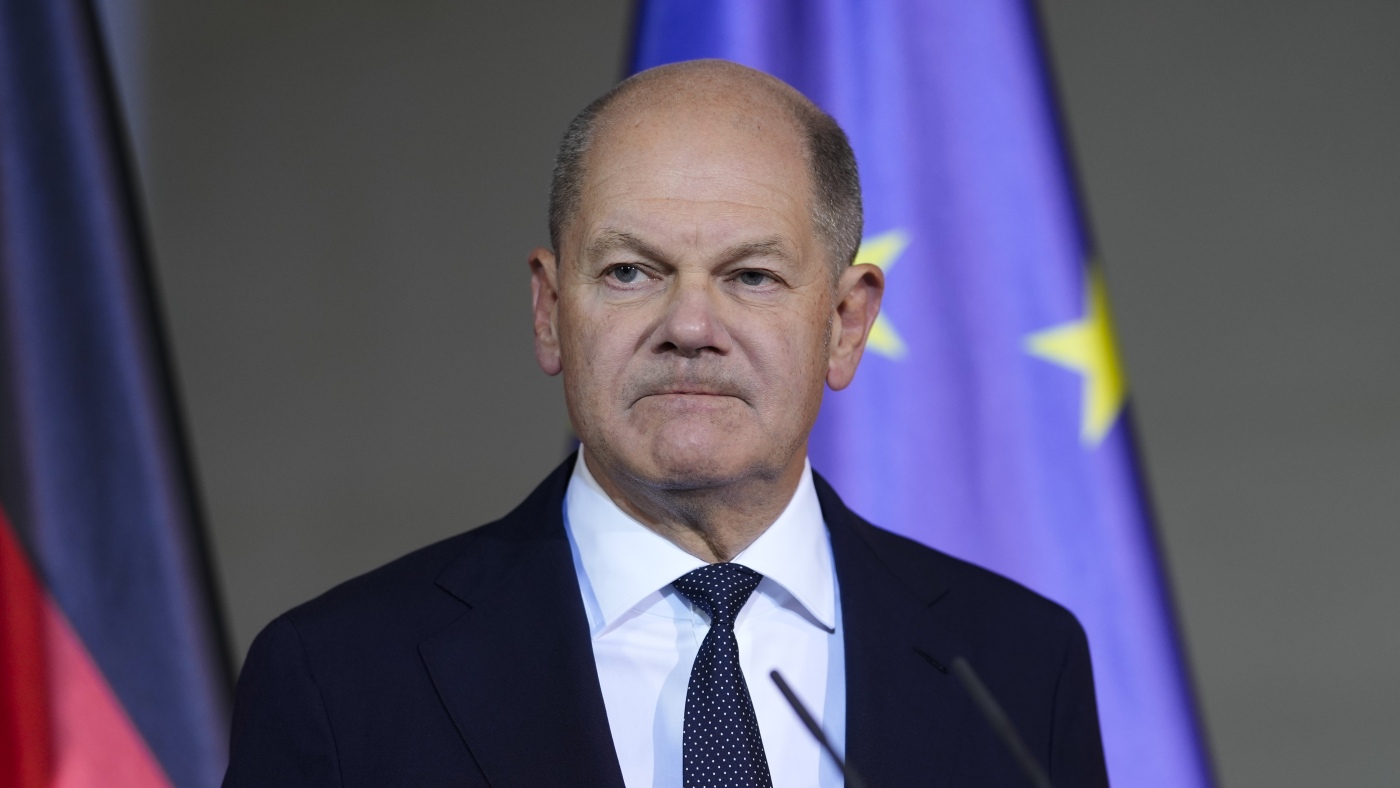
German Chancellor Olaf Scholz has dismissed Finance Minister Christian Lindner, leading to the collapse of the coalition government and a confidence vote scheduled for January 15, which could result in early elections in March. Scholz cited Lindner's refusal to compromise on economic issues as a key reason for the dismissal. The coalition, consisting of the Social Democrats, Free Democrats, and the Green party, has faced internal disputes and external pressures, including the rise of the far-right Alternative for Germany.
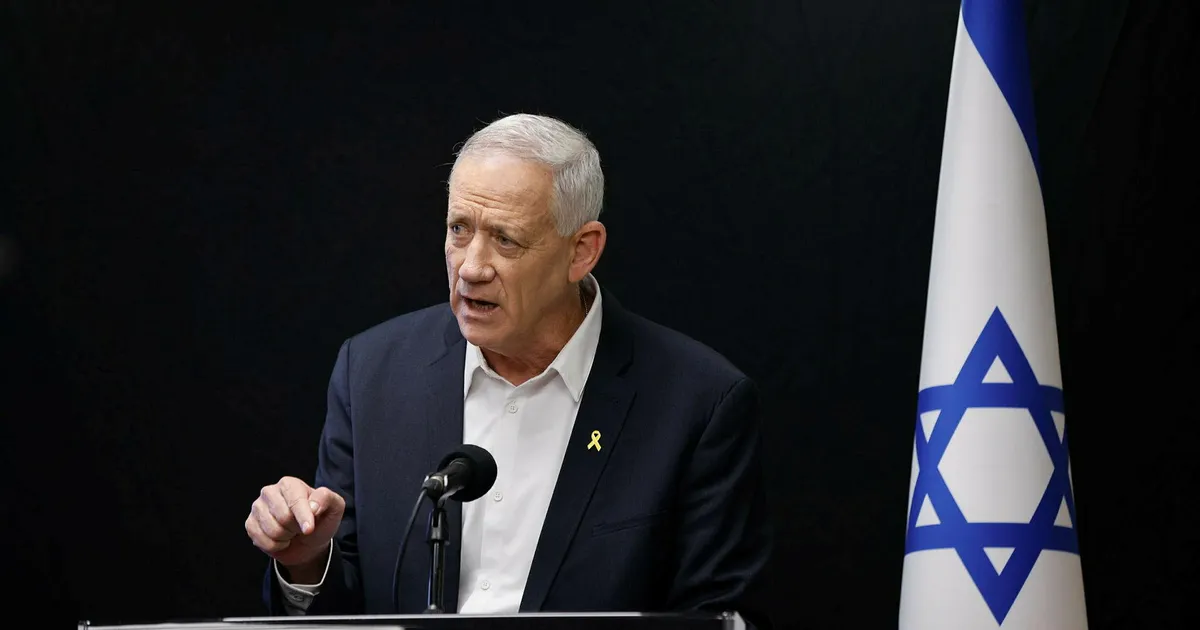
The National Unity Party, led by Benny Gantz, has submitted a bill to dissolve the Israeli Knesset and trigger early elections. However, the party is unlikely to bring the bill to a vote without a guaranteed majority, as rejected legislation cannot be reintroduced for six months.
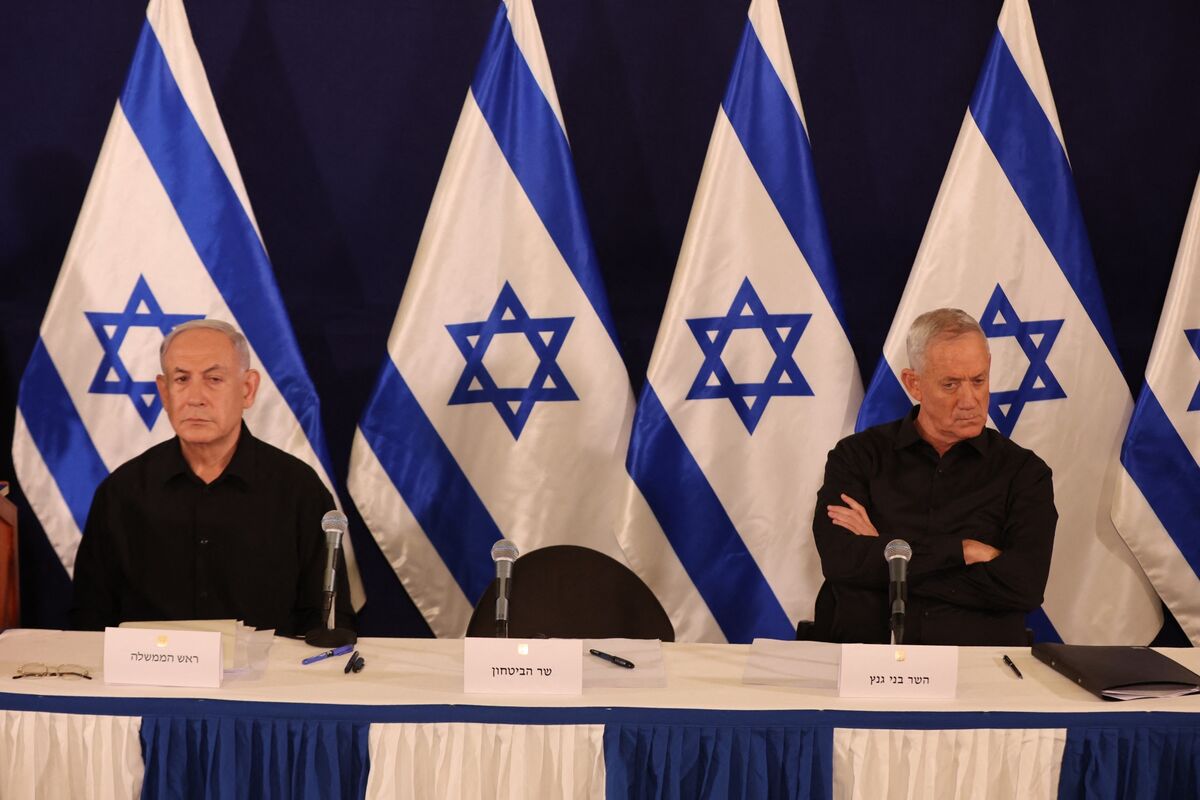
Benny Gantz, a member of Israel’s war cabinet, has called for early elections in September, increasing pressure on Prime Minister Benjamin Netanyahu amid domestic protests and international backlash over the Gaza conflict. Gantz's popularity has risen while Netanyahu's has declined, prompting the push for early polls.
Benny Gantz, the leader of Israel's Blue and White party, has called for early elections, citing a lack of trust within the country's coalition government. Gantz's move comes after the government failed to pass a budget, leading to a political crisis. If early elections are called, it would be the fourth time Israelis have gone to the polls in less than two years.
Anti-government protesters in Israel are calling for early elections and a cease-fire amidst ongoing conflict with Palestine. The protests come as the U.S. and Israel plan to meet virtually to discuss the situation, and as exchanges of fire escalate across the Lebanon-Israel border. Additionally, there are reports of Israeli forces targeting Palestinians waiting for food aid, and a United Nations expert has accused Israel of committing genocide in Gaza.
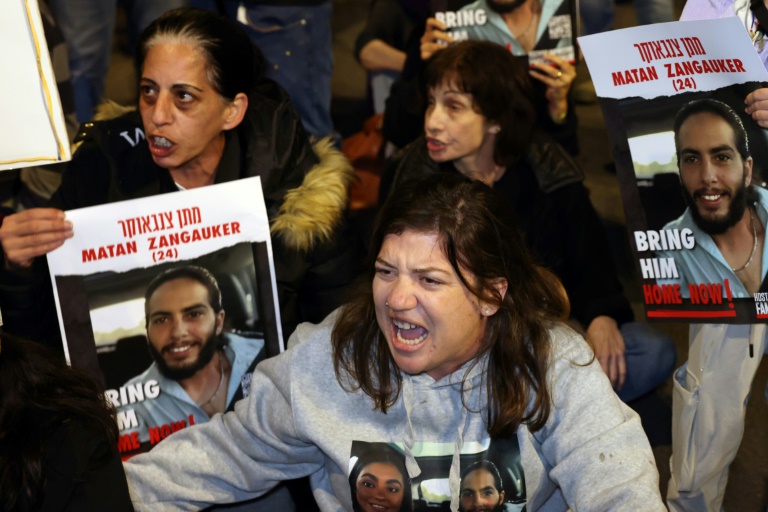
Thousands of protesters in Israel demand the return of hostages held in Gaza and early elections to remove Prime Minister Benjamin Netanyahu, who is under pressure to secure the hostages' release. Netanyahu's handling of the war and his vow to destroy Hamas have drawn criticism, with demonstrators calling for a new government to correct the country's course. The protests come amid escalating tensions following the deaths of hostages and ongoing conflict between Israel and Hamas.
UK Prime Minister Rishi Sunak is not considering calling early elections despite opposition from Tory allies regarding his plan to deport asylum-seekers to Rwanda for processing, according to Cabinet Minister Michael Gove.
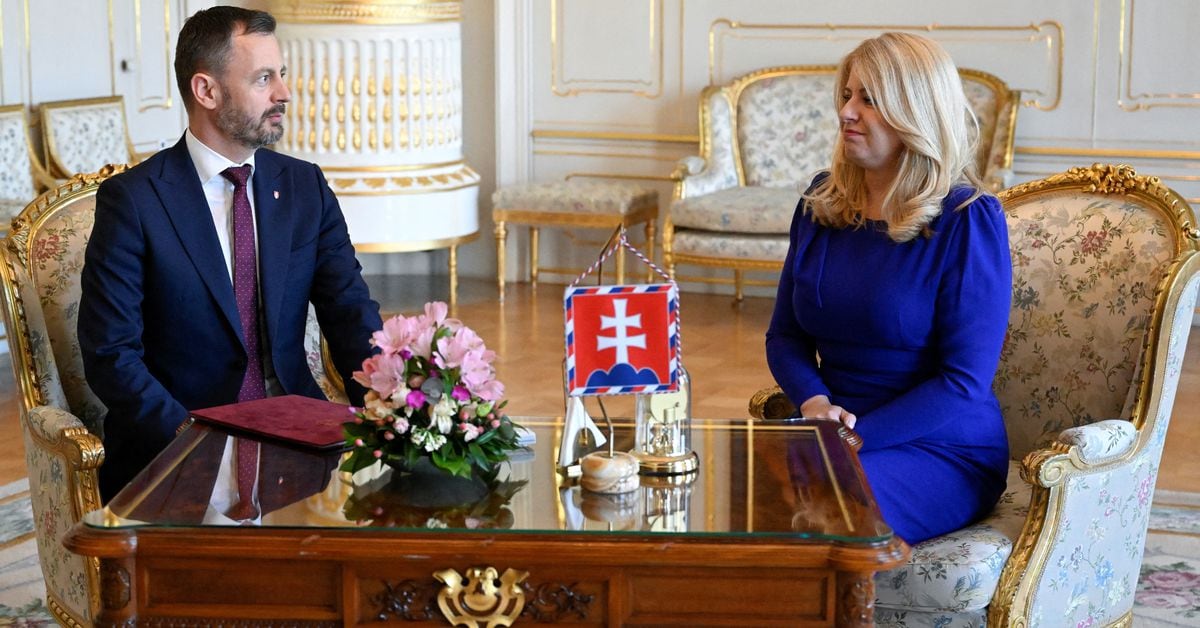
Slovak Prime Minister Eduard Heger has asked the president to relieve him of his duties after ministers' resignations weakened his cabinet that is serving in a caretaker capacity before elections in September. Heger is due to meet President Zuzana Caputova, who has the power to appoint a new caretaker prime minister, later on Sunday. The public favours the biggest opposition party, which is led by former prime minister Robert Fico and has opposed increasing military aid to neighbouring Ukraine.