
Reform MP’s Use of Teleprompter Glasses Sparks Parliamentary Privacy Debate
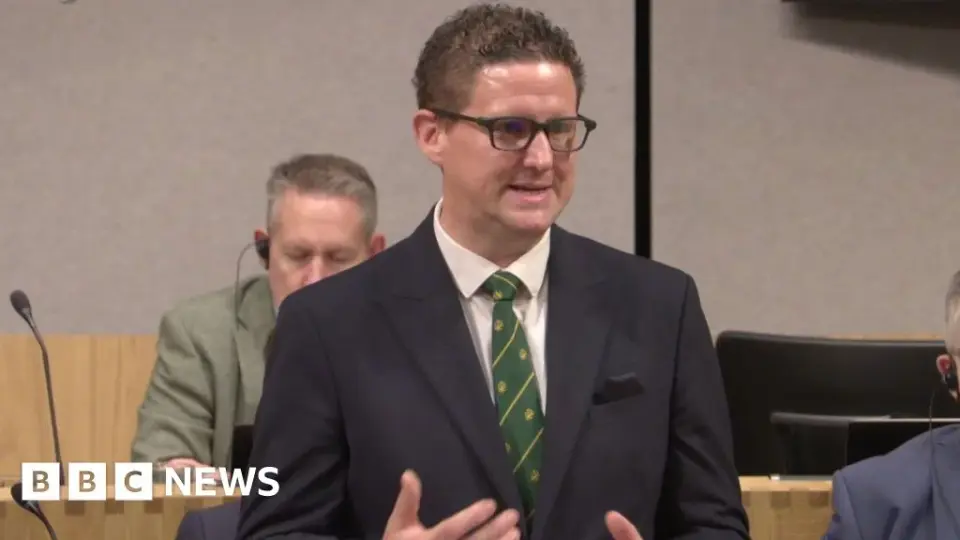
Jason O'Connell, a Reform UK member of the Welsh Senedd, has admitted to using smart glasses with a built-in teleprompter to deliver speeches. While O'Connell argues the device improves his confidence and eye contact, critics demand a ban due to privacy risks. The incident has triggered reviews in both the Welsh Senedd and the UK House of Commons regarding the use of wearable technology in legislative chambers.
Key points
- Jason O'Connell, the Senedd member for Pontypridd Cynon Merthyr, used camera-free smart glasses to read a scrolling digital script during a speech on Tuesday.
- O'Connell stated the technology helped him maintain eye contact with the government and boosted his confidence as a new member, denying he was misleading the public.
- Welsh Liberal Democrat leader Jane Dodds called for an immediate ban on smart glasses in the Senedd until standardized rules and equal access are established.
- The Senedd's presiding officer confirmed a review of the technology's use on the parliamentary estate is currently underway.
- The controversy has prompted the UK Liberal Democrats to urge the House of Commons speaker to ban smart glasses at Westminster, citing risks to privacy and the integrity of debates.
Background
This debate follows recent privacy concerns regarding wearable technology. In October 2026, Meta confirmed that its Ray-Ban smart glasses were recording audio without user activation, highlighting the potential for discreet surveillance. Additionally, earlier trials in the UK explored smart sensors for healthcare, demonstrating the rapid integration of such devices into public and private spheres. The current parliamentary debate focuses on balancing accessibility aids with the need for secure, private legislative environments.
How outlets are covering it
BBC and The Guardian present different emphases on the same event. The BBC focuses on O'Connell's personal defense, highlighting his claim that the glasses are simply a preferred method of note-taking, similar to using an iPad or paper. The Guardian, however, emphasizes the broader implications for parliamentary integrity, noting that the flashing lenses gave away the use of the device. The Guardian also highlights the cross-party concern in the UK House of Commons, where Lib Dem MP Anna Sabine argued that AI-enabled glasses could make debates 'managed' and pose security risks due to hidden recording capabilities. While both sources agree a review is underway, The Guardian places greater weight on the potential for covert surveillance and the need for explicit legislative bans, whereas the BBC frames the issue as a matter of individual delivery style and confidence.
Why it matters
The use of smart glasses in legislative chambers raises fundamental questions about the authenticity of parliamentary debate and the boundaries of privacy in public institutions. As wearable technology becomes more advanced and discreet, the ability to record or display information without detection could undermine the transparency and security of government proceedings. This incident forces parliaments to define new standards for acceptable technology, balancing accessibility needs against the risks of covert surveillance and the potential for AI-assisted manipulation of public discourse.
What to watch
The Senedd's presiding officer is expected to release the conclusions of its review on smart glasses shortly. In the UK, the House of Commons is reviewing its policy on camera-equipped smart glasses and other wearable technology, with Lord Ponsonby indicating that the review will consider security, privacy, and accessibility. The UK Liberal Democrats have urged the Commons speaker to act before the end of the year, warning that increased adoption of AI-enabled devices could exacerbate privacy risks in 2027. O'Connell has not responded to requests for comment from The Guardian but has posted a humorous image of wearing pink glasses on social media, suggesting he may continue to test new devices in the chamber.
Want the full story? Read the original reporting
Read on BBC