
Amazon voters back Bolsonaro to revive gold mining, alarming Indigenous leaders
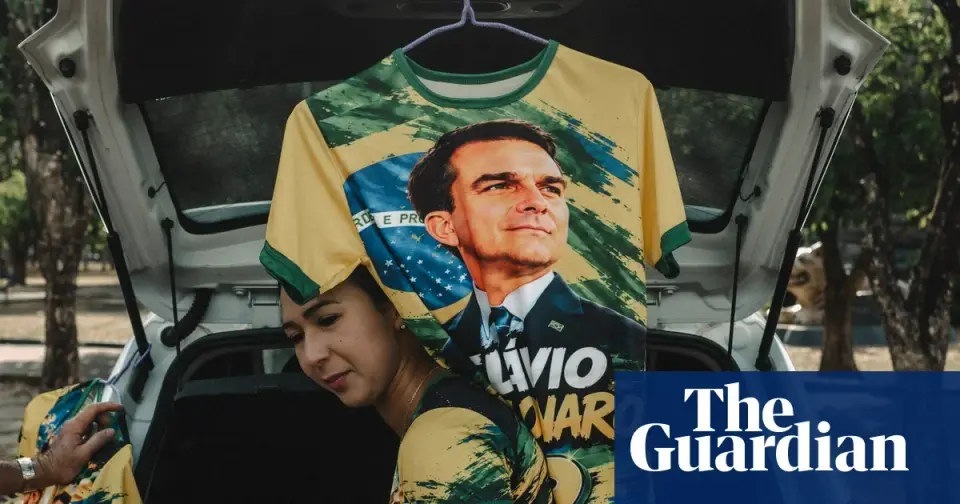
In Brazil’s northern state of Roraima, voters are overwhelmingly supporting far-right candidate Flávio Bolsonaro in the October 25 presidential runoff, primarily to reverse the current administration’s crackdown on illegal gold mining in the Yanomami Indigenous territory. While Lula da Silva’s government achieved record-low deforestation rates, Bolsonaro’s supporters in towns like Mucajaí view the mining ban as an economic disaster. Indigenous leaders warn that a Bolsonaro victory will resume a 'lethal threat' to their survival, potentially leading to violence and the collapse of environmental protections.
Key points
- Flávio Bolsonaro secured nearly 79% of the vote in Mucajaí, Roraima, his strongest proportional victory, where 14 of 15 municipalities backed him in the first round.
- Voters in the Amazon region cite the closure of illegal gold mines as a primary reason for supporting Bolsonaro, claiming the crackdown caused 'complete penury' and job losses.
- Lula da Silva’s administration reduced Amazon deforestation to its lowest level since 1988, but Bolsonaro promises to legalize mining on Indigenous lands to exploit gold, diamonds, and rare earths.
- Indigenous leaders, including Yanomami president Júnior Hekurari, warn that a Bolsonaro win will resume a 'genocide' against their people, with miners already preparing to clear runways for return.
- Evangelical prosperity theology and anti-Lula social stances also drive Bolsonaro support in the region, alongside fears of organized crime and drug trafficking.
Background
Recent archive reports confirm that Brazil’s Amazon deforestation has hit a record low of 3,335 square kilometers, a 41.8% drop, credited to Lula’s enforcement efforts. This environmental success contrasts sharply with the political threat posed by Bolsonaro’s campaign, which opposes these protections. Additionally, the election is marked by legal disputes over social media platform bias, with Lula’s campaign petitioning to disqualify Bolsonaro over alleged Meta interference, though the core regional conflict remains centered on mining rights and Indigenous sovereignty.
Why it matters
The outcome of the October 25 runoff determines the future of Brazil’s Amazon. A Bolsonaro victory would likely reverse the historic decline in deforestation and resume illegal mining in Indigenous territories, threatening the cultural and physical survival of the Yanomami people. Conversely, a Lula win would maintain current environmental enforcement, though Indigenous leaders warn that any Bolsonaro victory could trigger violent conflict between Indigenous and non-Indigenous populations.
What to watch
The second round of Brazil’s presidential election is scheduled for October 25. If Flávio Bolsonaro wins, his administration is expected to dismantle the current anti-mining units and potentially legalize mining on Indigenous lands. Indigenous leaders have warned of potential armed resistance and conflict if Bolsonaro takes power, while Lula’s supporters are mobilizing to defend current environmental policies.
Want the full story? Read the original reporting
Read on The Guardian