
Analysis: Trump’s 2026 Rallies Marked by Repetition, Profanity, and Coherence Issues
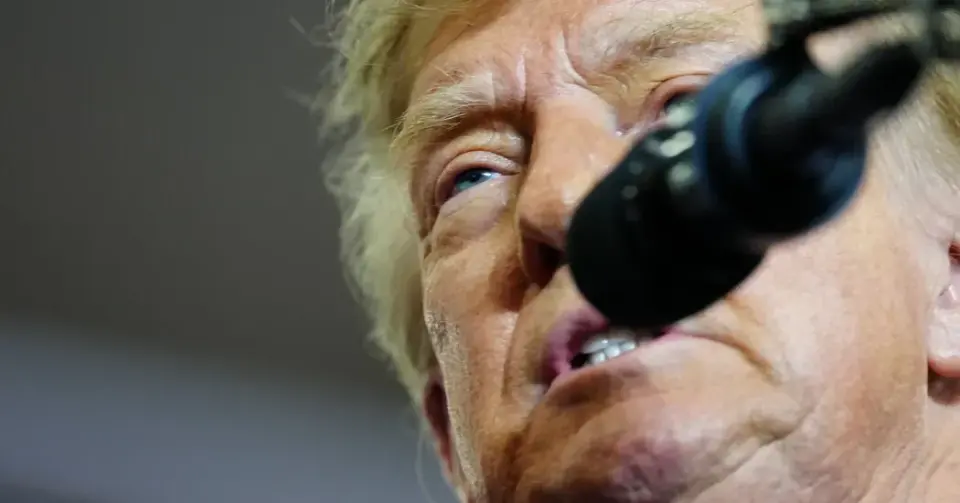
The New York Times analysis finds President Trump’s 2026 speeches are more profane and incoherent than in 2016, featuring repeated errors like the Willie Horton anecdote. CounterPunch describes his rallies as chaotic and self-indulgent, noting dwindling crowds and a focus on personal wealth over policy.
Key points
- The New York Times review highlights a shift toward more absolute and less coherent rhetoric compared to 2016, citing a 30-minute repetition of the Willie Horton story at a Greenville, N.C. rally.
- CounterPunch reports that Trump’s speeches have become increasingly profane and disjointed, with the president frequently interrupting rants to complain about the audience or his location.
- The NYT notes Trump turned 80 in June 2026, raising questions about his stability, while CounterPunch points to physical signs like a bruised eye and references to a cognitive test he claims to have passed three times.
- CounterPunch details specific gaffes, including references to Nicki Minaj’s anatomy and Arnold Palmer’s penis, as well as a graphic description of the murder of Iryna Zarutska.
- The NYT attributes the analysis to Peter Baker and Dylan Freedman, who previously conducted a similar review in 2024, while CounterPunch frames the behavior as a sign of a mind unraveling in real time.
Background
Recent archive entries from October 2026 document a pattern of gaffes, including Trump’s 'water cane' comment regarding Hurricane Helene and threats to withhold Camp Lejeune settlements in North Carolina. Additionally, his White House Halloween event was described as tame, avoiding previous viral incidents, while his press secretary faced scrutiny over legal credentials.
How outlets are covering it
The New York Times presents a data-driven analysis, focusing on linguistic shifts toward profanity and incoherence, and factual errors in repeated anecdotes. In contrast, CounterPunch offers a critical, opinionated perspective, characterizing the speeches as 'glossolalia' and 'free association' that serve the president’s gratification rather than political messaging. While the NYT emphasizes the change from 2016, CounterPunch focuses on the immediate decline in audience engagement and the president’s apparent boredom with his own base.
Why it matters
The analysis suggests that the president’s public communication style is evolving in ways that may impact voter perception and policy coherence ahead of the 2026 midterms. The contrast between physical stamina and verbal clarity raises questions about the administration’s operational stability and the effectiveness of its campaign messaging.
What to watch
Observers will monitor subsequent rallies for continued patterns of repetition and profanity. The midterm election results will test whether these rhetorical shifts affect voter turnout and support for GOP candidates in key states like North Carolina.
- Gaffes and Men’s Bodies: Analysis of Trump’s Speeches at Age 80 The New York Times
- Trump Unbound CounterPunch.org
- 6 times Trump humiliated himself over 48 hours from a public meltdown to explicit comment about Minaj The Mirror US
- Roaming Charges: The Anal Stage of US Politics CounterPunch.org
Want the full story? Read the original reporting
Read on The New York Times