
Austria Enforces School Headscarf Ban for Girls Under 14
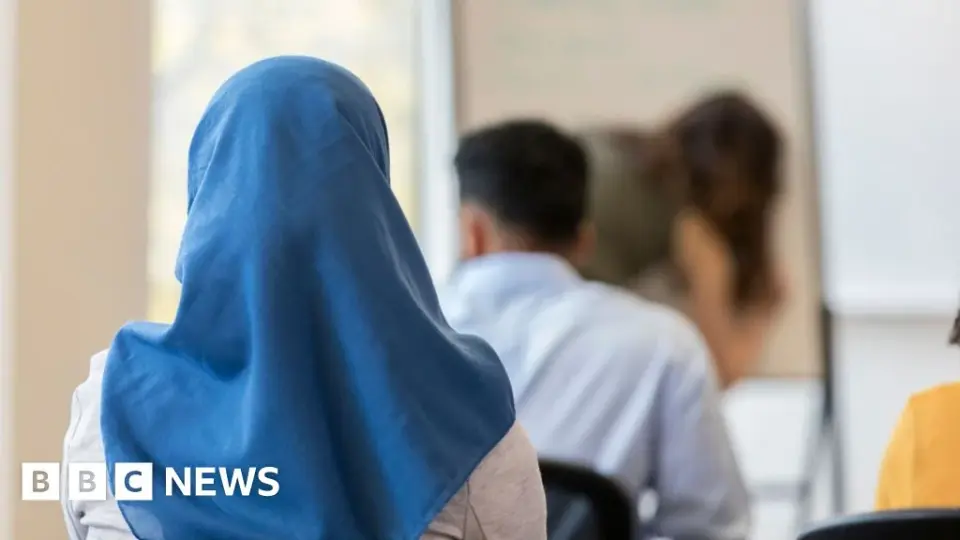
Austria has implemented a new law prohibiting 'traditional Muslim' head coverings, such as hijabs and burkas, in public and private schools for girls under the age of 14. The measure, enacted by a coalition of the ÖVP, SPÖ, and Neos, frames the ban as a protection of gender equality and child rights. Integration Minister Claudia Bauer described the headscarf as a tool of oppression. However, the Islamic Community in Austria (IGGÖ) strongly opposes the law, arguing it violates religious freedom and discriminates against Muslim girls. Critics warn the ban may be unconstitutional, noting a previous similar ban was struck down by the Constitutional Court in 2020. Enforcement involves teacher-led discussions with guardians, with potential fines up to €800 for repeated violations. The policy differs from France's broader ban on religious symbols by specifically targeting Muslim women. While the far-right FPÖ calls for stricter measures, including bans on teachers, the government's move follows a broader push to constitutionally ban 'political Islam.'
Key points
- The ban applies to girls under 14 in all public and private schools in Austria.
- The law targets 'traditional Muslim' head coverings like hijabs and burkas.
- Integration Minister Claudia Bauer called the headscarf a sign of oppression.
- The Islamic Community in Austria (IGGÖ) opposes the ban as a violation of religious freedom.
- The IGGÖ plans to support legal challenges in the Constitutional Court.
- A previous headscarf ban in primary schools was struck down in 2020.
Background
This development follows Austria's recent legislative efforts to address what the government terms 'political Islam.' In September 2026, Chancellor Christian Stocker and Integration Minister Claudia Bauer began drafting a constitutional ban on political Islam, citing concerns about democratic values and social norms. The new school headscarf ban aligns with this broader strategy, which aims to separate religious practice from political ideology. Critics have previously warned that such measures could infringe on the rights of Muslim citizens. The move also reflects a wider European trend of restricting religious symbols in public spaces, similar to bans in France, Belgium, and Denmark, though Austria's law is more specific to Muslim women.
Why it matters
The ban highlights ongoing tensions in Europe between secularism, religious freedom, and gender equality. It tests the limits of state power in regulating religious expression in schools and may set a precedent for future legal challenges. The potential for constitutional review and the involvement of child services raise concerns about the impact on families and the role of teachers in enforcing religious policies. The move also signals a shift in Austrian politics toward stricter integration policies and a broader crackdown on what the government perceives as political Islam.
What to watch
The IGGÖ is expected to support legal challenges from families who believe their rights are being infringed, potentially leading to a case before the Constitutional Court. Teachers will begin enforcing the ban through discussions with students and guardians, with child services involved in cases of repeated violations. The government may continue to pursue broader constitutional changes regarding political Islam, as outlined in September 2026. The far-right FPÖ may push for even stricter measures, including bans on teachers wearing head coverings. Public debate will likely continue over the balance between religious freedom and state secularism.
Want the full story? Read the original reporting
Read on BBC