
Hungary Elects András Baka as President in Symbolic Break from Orbán Era
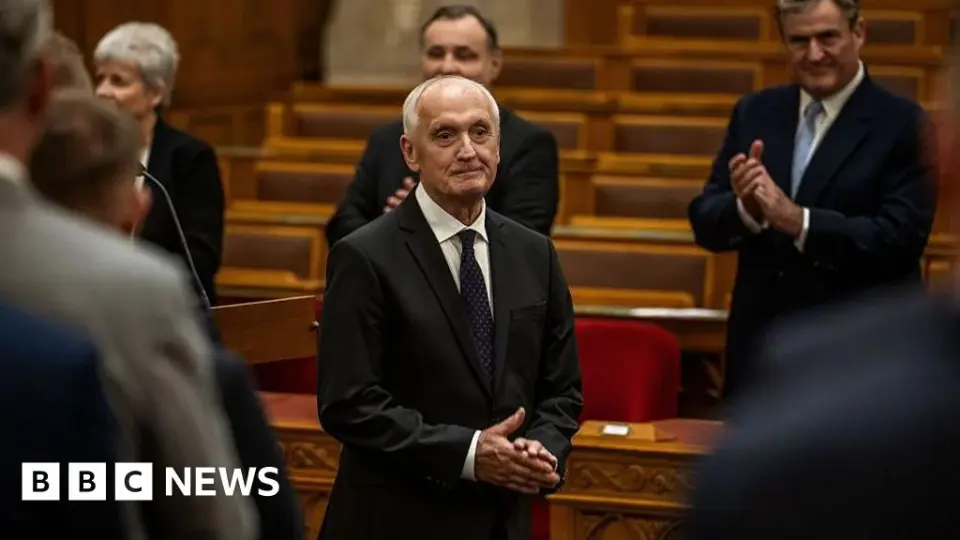
Hungarian parliament has elected former Supreme Court chief András Baka as the country’s new president, a largely ceremonial role. Baka, 73, was previously dismissed by Viktor Orbán in 2011 for defending judicial independence. His election marks a significant symbolic repudiation of Orbán’s legacy by the new Tisza government, which is actively dismantling previous power structures and drafting a new constitution.
Key points
- András Baka was elected president by a vote of 140 to 6, with all 51 Fidesz MPs boycotting the session in protest.
- Baka replaces Tamás Sulyok, an Orbán loyalist who was removed from office last month via constitutional amendment.
- The new government under Prime Minister Péter Magyar has passed 27 laws and two constitutional amendments since taking office in May.
- Key reforms include abolishing the Sovereignty Protection Office, cancelling states of emergency, and restoring the Constitutional Court’s oversight powers.
- Baka’s presidency is transitional, likely lasting until a new constitution is enacted or for a maximum of five years.
Background
Baka’s election follows a series of rapid changes by the Tisza party, which won a landslide victory in April. Previous coverage noted that Baka was poised to become president as part of Magyar’s strategy to reshape power away from Orbán. The new government has moved quickly to reverse Orbán’s 2011 constitution and dismantle institutions used to suppress dissent, including the Sovereignty Protection Office and state media control.
How outlets are covering it
BBC and The Guardian emphasize the symbolic nature of Baka’s election as a repudiation of Orbán’s era, noting his previous dismissal for criticizing judicial reforms. CNN highlights the procedural aspects, noting the secret ballot and the absence of Fidesz participation. Al Jazeera frames the event as part of a broader 'anti-Orbán' campaign, including media reforms and anti-corruption measures. All sources agree that while the presidency is ceremonial, Baka’s background as a judge who won a case against Hungary at the European Court of Human Rights adds weight to his role in overseeing constitutional changes. BBC notes Baka’s potential friction with the government over term limits, suggesting he may not be a 'tame' president.
Why it matters
The election signals a definitive shift in Hungary’s political landscape, moving away from the centralized power structures established by Orbán. It sets the stage for a new constitutional order and indicates a potential end to the era of governing by decree and state-controlled media. Baka’s independent stance may influence how the new government handles transitional justice and institutional reform.
What to watch
Baka is expected to assume office on August 19. The focus will now shift to the drafting of a new constitution, a process Baka has promised will involve broad debate. The new government will also continue its efforts to restore media independence and investigate alleged corruption under the previous administration. Baka’s potential disagreements with the government on issues like term limits may create internal tensions within the Tisza-led coalition.
- Former judge András Baka elected Hungarian president BBC
- Hungary parliament elects former supreme court head Andras Baka as president CNN
- Hungary elects supreme court judge ousted by Orban as new president Al Jazeera
- Former judge Baka elected new Hungarian president in another break from Orbán era – as it happened The Guardian
- Hungary Elects Baka as New President in Shift From Orban Era Bloomberg.com
Want the full story? Read the original reporting
Read on BBC