
Belgian PM De Wever Resigns Over Budget Impasse as King Delays Decision
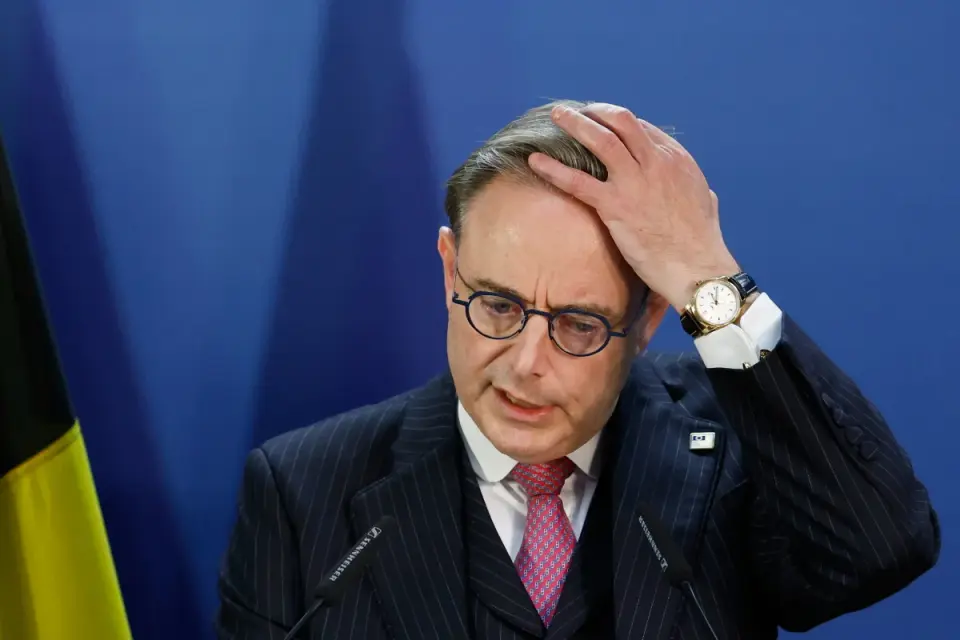
Belgian Prime Minister Bart De Wever has tendered his resignation following the collapse of budget negotiations within his five-party coalition. King Philippe has not yet accepted the resignation, stating he will consult with party leaders before making a final decision. The crisis stems from an inability to agree on how to cut the national deficit, with the government facing a deadline to secure a 2027 budget by December 31.
Key points
- De Wever, a conservative Flemish nationalist, submitted his resignation to King Philippe on November 2 after overnight talks failed to resolve budget disagreements.
- The Royal Palace confirmed the resignation was due to the failure of budget negotiations, but the King is withholding his decision and will consult coalition party leaders starting Tuesday.
- De Wever is scheduled to meet with the King again on Friday, with the possibility of new elections if the resignation is accepted.
- The government must save 10 billion euros to comply with EU spending limits, as the current deficit stands at 5% compared to the 3% maximum allowed.
- Belgium’s national debt exceeds 735 billion euros, representing over 110% of GDP, which is significantly higher than the 60% EU threshold.
- The failure to reach an agreement has led to increased interest rates on government bonds, raising the cost of debt obligations.
Background
De Wever took office in February 2025 with the goal of addressing Belgium’s high debt levels. The current coalition, known as the 'Arizona' government, was formed after 234 days of negotiations. This is not the first time the coalition has faced budget tensions; in November 2025, De Wever requested a 50-day extension from the King to reach an agreement. The current crisis occurs amid growing student protests and frequent strikes, including several 'national action days' led by unions.
How outlets are covering it
AP News emphasizes the formal resignation and the King's delayed decision, highlighting the broader context of Belgium’s high debt and the need for a credible budget. Euronews provides more detail on the internal coalition dynamics, noting the left-right divide between De Wever’s N-VA and MR on one side, and Vooruit, CD&V, and Les Engagés on the other. Euronews also includes quotes from Foreign Minister Maxime Prévot, who cited 'too many sticking points,' and Deputy PM David Clarinval, who blamed the socialist Vooruit party for insisting on higher taxes. Euronews further notes the impact on government bond interest rates and the risk of falling back on provisional twelfths for the second year in a row.
Why it matters
The resignation of the Prime Minister and the potential for new elections could lead to prolonged political instability in Belgium, a key EU member state. The budget crisis also has broader implications for the EU, as Belgium’s high debt and deficit could affect its ability to meet EU spending limits and contribute to defense spending. The situation may also influence other EU countries facing similar fiscal challenges, such as France and Italy.
What to watch
King Philippe will consult with party group leaders starting Tuesday and is expected to meet with De Wever again on Friday. If the King accepts the resignation, new elections will be called. The government must still secure a 2027 budget by December 31 to avoid falling back on provisional twelfths.
- Belgian prime minister quits after budget talks fail as king mulls whether to accept his resignation AP News
- Belgian government in crisis after budget talks collapse Reuters
- Belgium's king considering PM's resignation, palace says Euronews.com
- Belgian Premier Offers Resignation, Will Continue Budget Talks Bloomberg
- Belgian King calls for political responsibility as he holds resignation PM De Wever in consideration The Brussels Times
Want the full story? Read the original reporting
Read on AP News