
Brazil’s October 4 Vote Forces Runoff as Lula and Flávio Bolsonaro Split the Nation
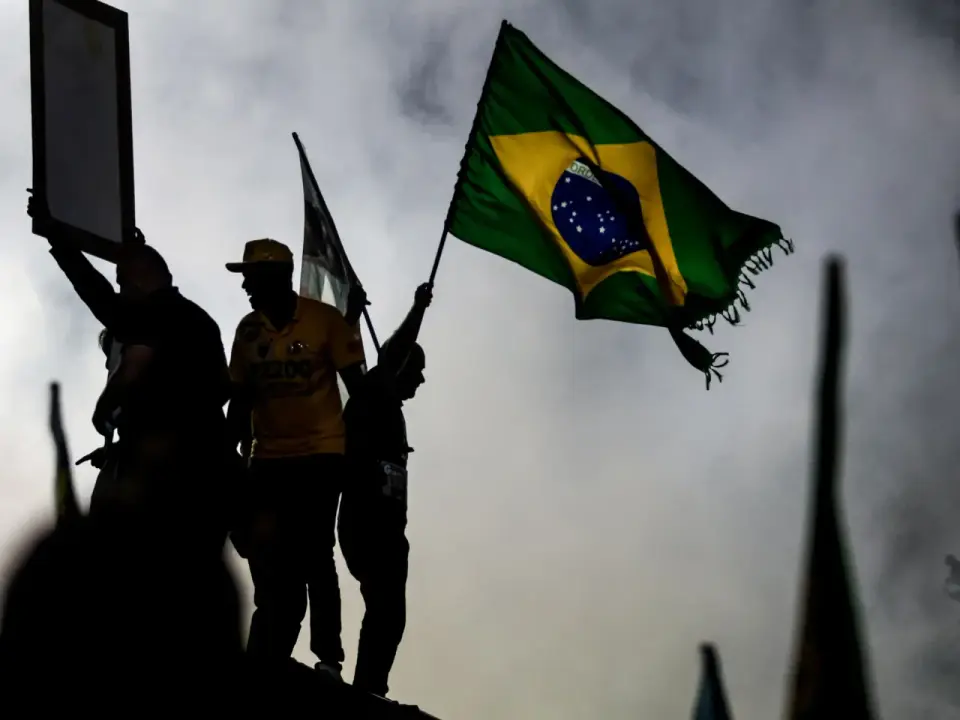
Polls closed in Brazil on October 4 for a highly polarized presidential election featuring incumbent Luiz Inacio Lula da Silva and Senator Flávio Bolsonaro. With approximately 160 million voters eligible, the contest was defined by deep divisions over crime, cost of living, and foreign alignment. Neither candidate secured the required 50 percent majority, triggering a mandatory second round on October 25. The race highlights a clash between Lula’s social welfare model and Bolsonaro’s hardline security stance, set against a backdrop of intense US-Brazil diplomatic friction.
Key points
- Approximately 160 million registered voters cast ballots in the October 4 election, which also selected governors and legislators.
- Neither Luiz Inacio Lula da Silva nor Flávio Bolsonaro achieved the 50 percent threshold needed to win outright, forcing a runoff on October 25.
- Lula, an 80-year-old incumbent, is seeking a fourth non-consecutive term to continue his social programs aimed at reducing inequality.
- Flávio Bolsonaro, 45, campaigned on a hardline stance against crime and pledged close cooperation with the United States under President Donald Trump.
- Jair Bolsonaro, Flávio’s father, is serving a 27-year prison sentence for his role in a coup plot following his 2022 election loss.
- Recent surveys indicate that violence and insecurity were the primary concerns for 31 percent of respondents, followed by corruption and economic issues.
Background
This election follows a period of intense political polarization in Brazil. Previous coverage noted that the campaign was marked by 'apathetic polarization,' where voter fatigue and corruption scandals, such as the Banco Master case, complicated the narrative. The 2022 election saw Jair Bolsonaro lose by a narrow margin of 1.8 percentage points, leading to his subsequent conviction and imprisonment. The current contest is viewed as a test of Brazilian democracy’s resilience, with Lula representing the consolidation of democratic institutions since the end of the military dictatorship, while the Bolsonaro family criticizes these institutions as unresponsive.
Why it matters
The outcome will determine Brazil’s geopolitical alignment, particularly regarding its relationship with the United States and China. Flávio Bolsonaro’s pledge to collaborate closely with Washington contrasts with Lula’s emphasis on sovereignty and multilateralism. This election places Brazil at the center of a fierce competition between Washington and Beijing for political and economic dominance. The result also carries significant implications for domestic stability, as the candidates offer opposing visions of Brazil’s recent history and the role of democratic institutions in addressing inequality and insecurity.
What to watch
The second round of the presidential election is scheduled for October 25. Results from the first round were expected within hours of the polls closing due to Brazil’s electronic voting system. The outcome of the runoff will determine whether Lula continues his social welfare agenda or if Flávio Bolsonaro implements his proposed security and fiscal reforms. The international community is watching closely, as the winner’s stance on US intervention and foreign policy will shape Brazil’s role in global affairs.
Want the full story? Read the original reporting
Read on Al Jazeera