
Brazil's October 4 Vote Pits Lula's Sovereignty Against Bolsonaro's Market Reforms
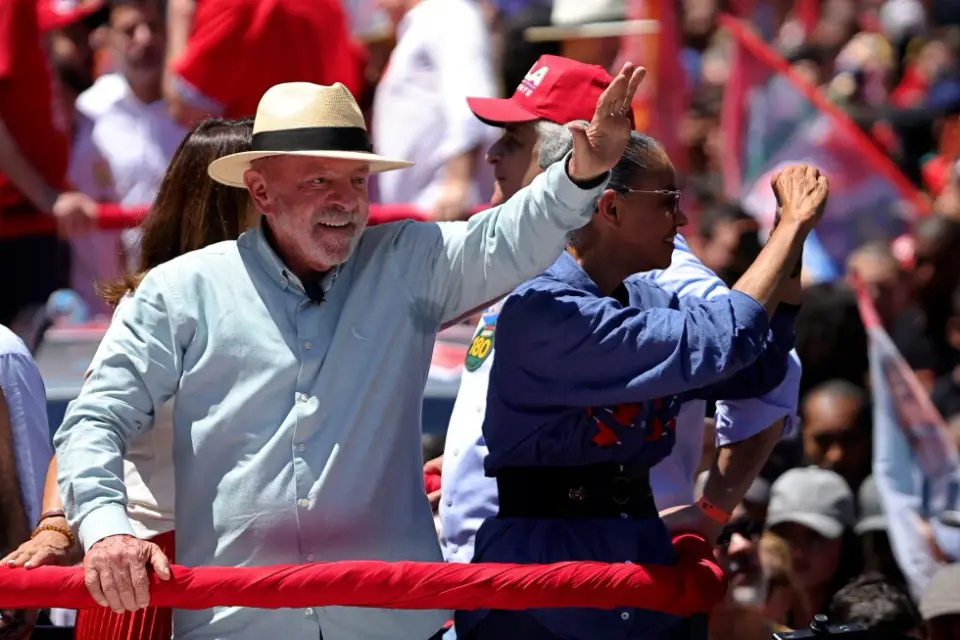
Brazilians vote on October 4 in a tight presidential race between incumbent Luiz Inacio Lula da Silva and Senator Flavio Bolsonaro. The outcome will determine whether Brazil aligns with US-led security initiatives or maintains its independent foreign policy. Markets favor Bolsonaro due to his promise of fiscal discipline, while Lula faces low approval ratings but strong support for his welfare programs.
Key points
- Lula seeks a fourth term, facing 24% approval ratings but promising to protect the Amazon and continue the Bolsa Familia welfare program.
- Flavio Bolsonaro, barred father Jair Bolsonaro's heir, promises El Salvador-style megaprisons and fiscal reforms, though he faces corruption investigations.
- The US 'Shield of the Americas' coalition pressures Brazil; Lula opposes US interference, while Bolsonaro pledges to join the anti-drug cartel initiative.
- Wall Street favors Bolsonaro, predicting a currency rally and stock gains if he implements pension and tax reforms, similar to his father's 2019 agenda.
- A runoff is scheduled for October 25 if neither candidate secures over 50% of the vote, with prediction markets currently favoring Bolsonaro.
Background
Recent coverage highlights a statistical dead heat between the two candidates, with polls showing high rejection rates for both. Previous reports noted Lula's sudden ban on online betting ahead of the vote and the potential impact on EU trade deals. The election is viewed as a test for the growing pro-Trump bloc in Latin America, where right-wing candidates have won multiple recent elections.
How outlets are covering it
AP News emphasizes the domestic policy differences, noting Lula's falling approval ratings versus Bolsonaro's popular security platform, while highlighting the shadow of corruption allegations on the Bolsonaro campaign. The Guardian focuses on the geopolitical stakes, framing the election as a test for Latin American autonomy against US hegemony, with analysts warning that a Bolsonaro win would align the region with Washington's dictates. CNBC highlights the economic implications, noting that markets favor Bolsonaro due to his promise of fiscal discipline and pension reform, despite Lula's current popularity. The sources agree on the tight race but differ on the primary lens: AP focuses on domestic governance, The Guardian on international alignment, and CNBC on market reactions.
Why it matters
The election outcome will determine Brazil's role in global alliances, potentially shifting the country from a multilateral stance to a US-aligned bloc. It also impacts global markets, with a Bolsonaro victory expected to boost Brazilian assets, while a Lula win may maintain current diplomatic ties but face ongoing trade friction. The result will also influence regional security policies, including the fight against drug cartels and environmental protections in the Amazon.
What to watch
Voters will cast ballots on October 4, with results expected to determine if a runoff is needed on October 25. The composition of the legislature will also be decided, affecting the ability to implement reforms. Market reactions will follow the outcome, with potential shifts in currency and stock prices. The US and other global powers will monitor the result for implications on trade and security cooperation.
- Brazilians will vote in a highly polarized presidential race on Sunday. Here’s what to know AP News
- Brazil's big political rematch: What to know about the Brazilian election NPR
- Brazil’s neck-and-neck election offers test for growing pro-Trump Latin American bloc The Guardian
- Lula's lead over Bolsonaro narrows ahead of Brazil vote, CNT/MDA poll shows Reuters
- Lula or Bolsonaro: Wall Street braces for two wildly different results in Brazil election CNBC
Want the full story? Read the original reporting
Read on AP News