
Brazil’s October 4 Vote Pivots on Fiscal Reform and US Geopolitics
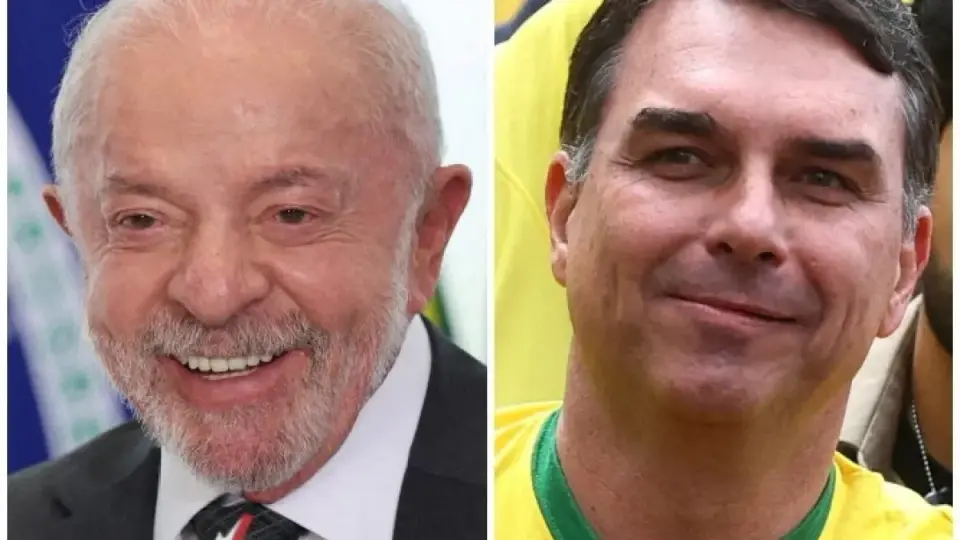
Brazilian voters face a critical choice on October 4 between incumbent President Luiz Inacio Lula da Silva and Senator Flavio Bolsonaro. The race is a virtual tie, with Lula holding a slight edge in some polls but trailing in others. The outcome will determine Brazil’s alignment with US President Donald Trump’s right-wing bloc or its continued pursuit of independent global ties. Key issues include fiscal discipline, crime, and US interference, while a corruption scandal involving banker Daniel Vorcaro complicates both campaigns. If no candidate wins outright, a runoff is scheduled for October 25.
Key points
- First-round voting occurs on October 4; a potential runoff is set for October 25 if no candidate secures a majority.
- Lula, 80, seeks a fourth non-consecutive term, emphasizing social programs and foreign sovereignty; Flavio Bolsonaro, 45, promises fiscal austerity and close US cooperation.
- Polls show a tight race: Lula leads in some surveys (e.g., 46% vs. 43%) but trails in others (e.g., 37% vs. 33%); prediction markets favor Bolsonaro.
- A corruption scandal involving banker Daniel Vorcaro implicates both candidates and Supreme Court justices, raising questions about institutional integrity.
- US President Trump has threatened economic sanctions and accused Brazilian courts of a 'witch hunt' over Jair Bolsonaro’s 27-year prison sentence for a coup plot.
Background
This election follows a period of political instability, including the 2022 coup plot conviction of former President Jair Bolsonaro and a recent surge in far-right victories across Latin America. Earlier coverage noted rising tensions over online betting bans and EU trade deals, highlighting the economic and social pressures influencing voter sentiment. The 2026 race is seen as a test for Brazil’s democratic resilience and its role in the global South.
How outlets are covering it
Al Jazeera emphasizes the democratic stakes and US interference, noting Lula’s warnings against foreign meddling and the corruption scandal’s impact on both sides. The Guardian focuses on the geopolitical implications, framing the election as a test for the 'Shield of the Americas' and Brazil’s potential to resist US dominance. CNBC highlights market reactions, predicting a rally in Brazilian assets if Bolsonaro wins due to his fiscal reform promises, while noting risks if Lula retains power. All sources agree on the tight race but differ on the primary drivers: sovereignty (Al Jazeera), regional alignment (The Guardian), and fiscal policy (CNBC).
Why it matters
The result will shape Brazil’s foreign policy, economic trajectory, and democratic stability. A Bolsonaro victory could align Brazil with US protectionism and fiscal austerity, potentially reversing environmental protections and deepening ties with Washington. A Lula win preserves current diplomatic ties but faces challenges from household debt and inflation. The outcome also influences the broader Latin American political landscape, where far-right candidates have gained momentum, and could impact global trade agreements and US-Latin American relations.
What to watch
Voters will cast ballots on October 4. If no candidate wins a majority, a runoff will occur on October 25. Market reactions will depend on the outcome, with analysts expecting volatility in Brazilian bonds, currency, and stocks. The composition of the legislature, also decided in this election, will influence the ability to implement reforms. International observers will monitor for signs of US or Russian interference, as Brazilian intelligence officials have warned of potential external meddling.
- What to know about Brazil’s 2026 presidential election Al Jazeera
- Brazil's big political rematch: What to know about the Brazilian election NPR
- Lula's lead over Bolsonaro narrows ahead of Brazil vote, CNT/MDA poll shows Reuters
- Brazil’s neck-and-neck election offers test for growing pro-Trump Latin American bloc The Guardian
- Lula or Bolsonaro: Wall Street braces for two wildly different results in Brazil election CNBC
Want the full story? Read the original reporting
Read on Al Jazeera