
Pakistan Delivers Weapons to Yemen as Saudi Arabia Prepares Major Houthi Counteroffensive
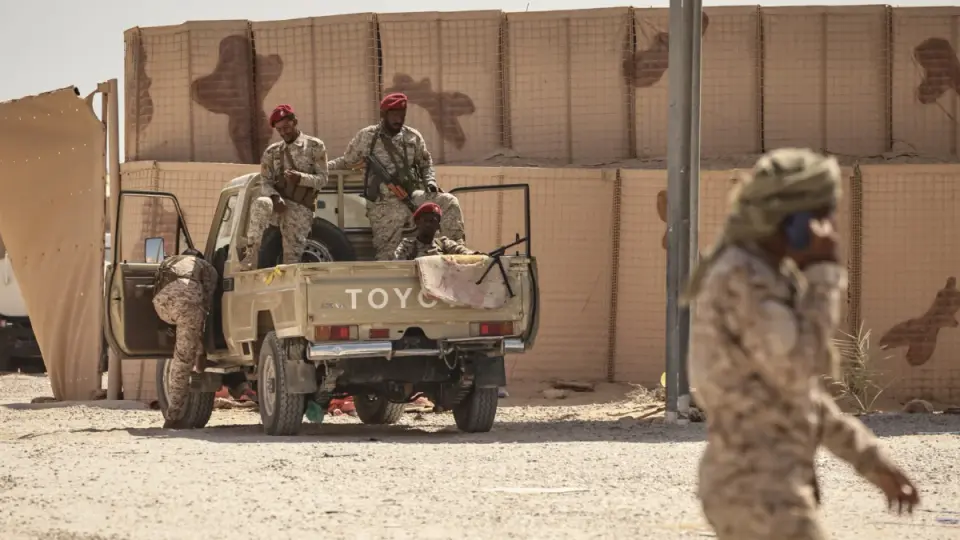
Pakistan has shipped four cargo planes of weapons, including air defense and drones, to the Saudi-backed government in Yemen. This move signals deeper involvement in the conflict as Saudi Arabia ramps up airstrikes against Houthis who now control the Red Sea coastline. The shipments test the new trilateral defense pact between Riyadh, Islamabad, and Ankara, while Crown Prince Mohammed bin Salman vows to respond firmly to threats despite diplomatic efforts.
Key points
- Pakistan sent four cargo planes of armaments, including air defense systems, light artillery, and drones, to the port city of Aden in September, according to Reuters.
- Pakistani military advisers are currently on the ground in Yemen supporting Saudi counterparts and Yemeni troops.
- Saudi Arabia launched 94 airstrikes in 24 hours, targeting Houthi positions in Sanaa, Saada, and Taiz, while Houthis claim to have struck civilian infrastructure in Medina and Riyadh.
- Houthis have destroyed a bridge linking Taiz to Aden, threatening to isolate the port city and disrupt government supply lines.
- Crown Prince Mohammed bin Salman stated Saudi Arabia will not compromise on security but is pursuing diplomatic solutions, citing the August Mecca Joint Defence Agreement with Turkey and Pakistan.
Background
This escalation follows a period of intense Houthi gains along the Red Sea coast in September 2026, which prompted Saudi Arabia to seek air-defense aid from allies. Previous coverage noted that Pakistan had already pressed Iran to curb Houthi attacks and signaled potential involvement in a Saudi-led response. The US has maintained support for the Yemeni government but has not taken a public combat role, while oil prices have risen due to fears of supply chain disruptions.
How outlets are covering it
Reuters and Middle East Eye emphasize the tangible military support from Pakistan, highlighting specific weapon types and the presence of advisers as a test of the Mecca Pact. Al Jazeera focuses on the diplomatic and rhetorical stance of Saudi leadership, with Crown Prince Mohammed bin Salman framing the conflict as a choice by Houthis for 'chaos' while stressing the need for a multinational maritime coalition to protect Red Sea navigation. Both sources agree on the intensity of the current exchange but differ in focus: one on logistical support and alliance testing, the other on sovereign resolve and regional stability rhetoric.
Why it matters
The direct transfer of weapons from Pakistan to the Yemeni government marks a significant shift in the regional balance of power, moving beyond advisory roles. It validates the operational viability of the new trilateral defense pact and indicates that Saudi Arabia is willing to leverage non-Western allies to counter Houthi advances. This could further destabilize the Red Sea, a critical global shipping lane, and draw neighboring powers into a broader proxy conflict.
What to watch
Analysts expect a high-intensity Saudi campaign to retake territory from the Houthis, particularly around Taiz. The effectiveness of the Pakistani-supplied air defense systems will be closely monitored. Diplomatic channels, including Saudi-UAE reconciliation and potential US involvement, may influence the pace of the military escalation. The outcome of the Taiz front will determine whether the Houthis can fully isolate Aden.
- Pakistan sent four planeloads of weapons to Saudi-backed government in Yemen: Report Middle East Eye
- Saudi Arabia not to compromise on security as Houthis choose ‘chaos’: MBS aljazeera.com
- Pakistan says Mecca pact members to hold emergency talks on engaging Houthis Reuters
- Dar says Makkah defence pact committee to meet next week on Houthi attacks on Saudi Arabia Dawn
- Arab Views: Saudi restraint is no longer operable, says Prince Turki Al-Faisal Arab News
Want the full story? Read the original reporting
Read on Middle East Eye