
Moscow warns diplomats of 'mortal danger' as Kyiv bridges fall to drone strikes
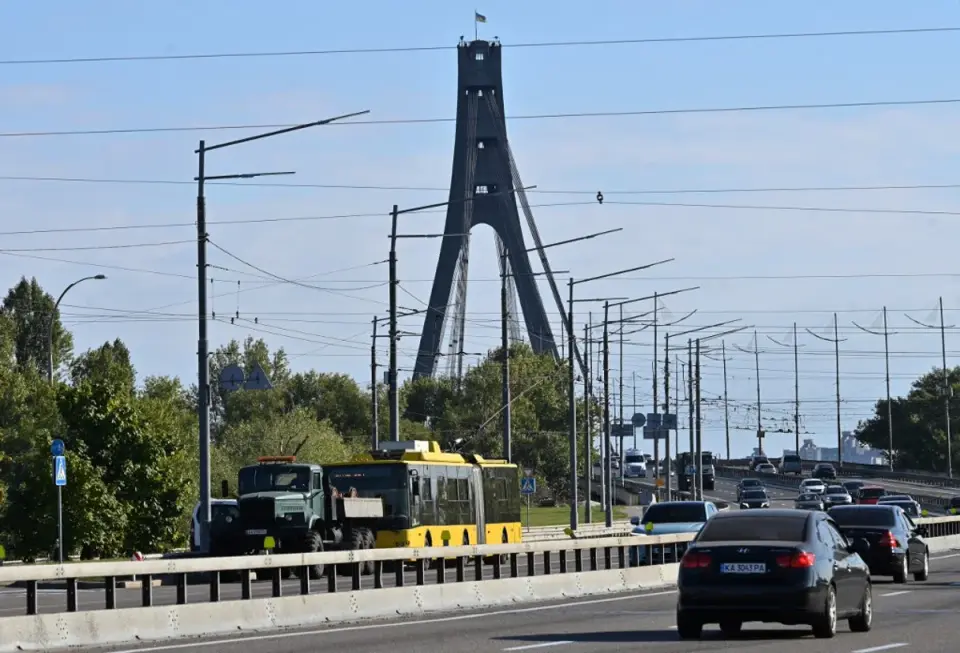
The Russian Foreign Ministry issued a stark warning on October 3, 2026, telling foreign nationals and diplomats in Kyiv that staying in the capital poses a 'mortal danger' due to ongoing 'massive retaliatory strikes.' This diplomatic threat coincided with severe infrastructure damage, including the closure of the North and South Bridges after drone attacks. While The Guardian reported that Western embassies had drafted evacuation plans to Lviv or Poland, the Ukrainian Foreign Ministry denied any withdrawal, and the US State Department confirmed its embassy remains open. Kyiv Mayor Vitali Klitschko declared the city must operate on a war footing as strikes target civilian life-support systems.
Key points
- Russian Foreign Ministry warned foreign citizens and diplomats against staying in Kyiv, citing 'mortal danger' from sustained aerial bombardment.
- Moscow stated that responsibility for any negative consequences rests with those who ignore the warning, framing strikes as 'massive retaliatory actions.'
- The Guardian reported that senior Western diplomats drafted contingency plans to evacuate to Lviv or Poland, though no formal withdrawal notices were submitted.
- Ukrainian Foreign Ministry spokesperson Heorhii Tykhyi denied reports of embassy withdrawals, noting that no transfer appeals had been filed.
- The US Department of State maintained its 'Do Not Travel' advisory but confirmed the US Embassy in Kyiv remains operational.
- Drone strikes damaged the North Bridge, severing trolleybus cables and blocking westbound traffic, following earlier hits on the South Bridge.
Background
This escalation follows a period of intensified Russian strikes on Kyiv’s infrastructure, including a wave of 76 jet-powered drones in August and near-constant air-raid alerts in September. As winter approaches, Kyiv has transitioned into a frontline city, with residents preparing for severe disruptions to heating and electricity. Previous diplomatic efforts for an energy ceasefire have faced hurdles due to Russian strategic shifts, and Putin has warned Europe that aiding Kyiv with troops would constitute war.
How outlets are covering it
The Russian Foreign Ministry framed its warning as a necessary caution to foreign nationals, emphasizing that its armed forces will continue 'massive retaliatory strikes' and that responsibility for consequences lies with those who ignore the advice. In contrast, The Guardian highlighted that Western diplomats had privately drafted evacuation blueprints to Lviv or Poland, citing deteriorating security, though they publicly maintained their presence to avoid handing Moscow a symbolic victory. The Ukrainian Foreign Ministry firmly refuted claims of withdrawal, stating that no formal notices had been submitted and that diplomatic protocols require prior notification. The US State Department took a middle ground, maintaining a 'Do Not Travel' advisory while confirming its embassy remains open and staffed. Kyiv Mayor Vitali Klitschko focused on the practical impact, warning that the city can no longer operate under peacetime assumptions as strikes batter bridges and energy facilities, while President Zelensky accused Putin of ripping up the rulebook of armed conflict by sanctioning massive attacks on civilian areas.
Why it matters
The Russian warning to foreign diplomats signals a potential escalation in the conflict, with Moscow explicitly threatening 'massive retaliatory strikes' against Kyiv. This could lead to a significant reduction in international diplomatic presence, which would have symbolic and practical implications for Ukraine's international support. The damage to key infrastructure, such as the North and South Bridges, highlights the vulnerability of Kyiv's civilian life-support systems and could exacerbate the humanitarian crisis as winter approaches. The denial of evacuation plans by the Ukrainian Foreign Ministry and the confirmation of the US Embassy's operational status suggest that Western nations are committed to maintaining a diplomatic presence, despite the risks. This situation underscores the ongoing tension between Russia and the West, with the potential for further escalation if the strikes continue to target civilian areas and infrastructure.
What to watch
The situation is likely to remain tense, with the potential for further Russian strikes on Kyiv's infrastructure and civilian areas. The Ukrainian government will likely continue to emphasize the importance of maintaining a diplomatic presence, while Western nations may reassess their security protocols in light of the Russian warning. The damage to key infrastructure, such as the North and South Bridges, could lead to further disruptions in daily life, with potential impacts on transport, energy, and other essential services. The international community will likely monitor the situation closely, with potential diplomatic efforts to de-escalate the conflict and protect civilian areas. The coming weeks will be critical in determining whether the Russian warning leads to a significant reduction in international diplomatic presence or if Western nations maintain their commitment to supporting Ukraine.
- Russia Warns Envoys of ‘Mortal Danger’ as Strikes on Kyiv Loom Kyiv Post
- Russia pledges to continue massive strikes on Kyiv, urges foreign diplomats to leave city Reuters
- Embassies not planning to evacuate Kyiv amid Russia's bombardment, Foreign Ministry confirms The Kyiv Independent
- Moscow again warns foreigners, diplomats to leave Kiev Yahoo
- Russia warns diplomats, foreigners to leave Kyiv over strike threat RTE.ie
Want the full story? Read the original reporting
Read on Kyiv Post