
Bulgaria’s Presidential Runoff Tests Western Alliances Amid Black Sea Crisis
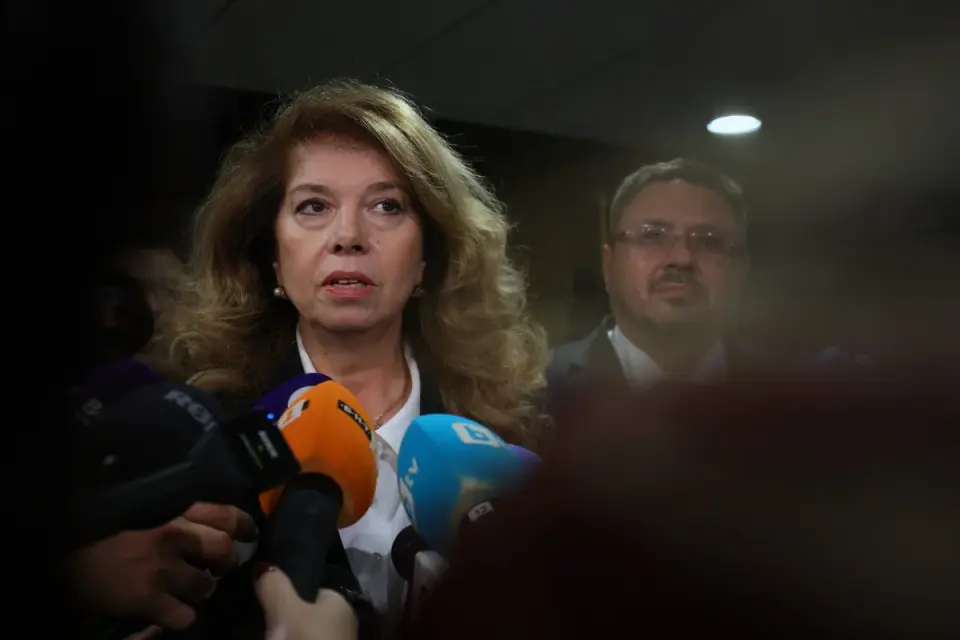
Bulgarians voted on November 1 in a presidential runoff between acting President Iliana Yotova and former caretaker Prime Minister Andrey Gyurov. The election is defined by record-low turnout, economic hardship, and escalating drone attacks on Black Sea shipping. Yotova, backed by the ruling Progressive Bulgaria party, advocates for diplomatic engagement with Russia and a peace settlement in Ukraine. Gyurov, supported by pro-Western opposition, urges stronger NATO cooperation and firm support for Ukraine. A victory for Yotova would make her the country's first elected female president but could concentrate power in the ruling majority, potentially weakening checks and balances. The race is viewed as a test of Bulgaria's alignment within the EU and NATO amid growing regional insecurity.
Key points
- Acting President Iliana Yotova faces Andrey Gyurov in a runoff after a first round with only 23% voter turnout, the lowest in recent history.
- Yotova, endorsed by Prime Minister Rumen Radev’s Progressive Bulgaria party, proposes a diplomatic solution to the Ukraine war and a moratorium on Black Sea hostilities.
- Gyurov, backed by pro-Western parties and former Prime Minister Boiko Borisov, criticizes the government’s reluctance to name Russia as an aggressor and calls for stronger NATO cooperation.
- Recent drone attacks on merchant ships off Bulgaria’s coast have killed or injured dozens of sailors, prompting international concern and calls for enhanced maritime security.
- Observers warn that a Yotova victory could concentrate power in the ruling majority, potentially undermining institutional checks and balances, while Gyurov benefits from voter reluctance to consolidate power.
Background
Bulgaria’s political landscape has been marked by years of instability and enduring Russian influence. Prime Minister Rumen Radev, who resigned as president in January to lead his party to a parliamentary victory, has pursued a pro-Moscow agenda, including halting arms supplies to Ukraine and threatening to veto EU sanctions against Russia. The current runoff follows a first round on October 25, where Yotova led Gyurov by a narrow margin of 2.8 percentage points. The election is seen as a critical test of Bulgaria’s commitment to Western alliances, with analysts noting that while the presidency is largely symbolic, the outcome could signal a shift toward strategic ambiguity similar to Hungary’s under Viktor Orbán.
How outlets are covering it
AP News emphasizes the historic nature of Yotova’s potential victory as Bulgaria’s first female president and the risks of concentrated power in the ruling majority. Al Jazeera highlights the immediate impact of Black Sea drone attacks, noting that about two dozen seafarers are feared dead and that the attacks have prompted Bulgaria to seek allied support for maritime security. Financial Times focuses on the geopolitical implications, describing Yotova as a pro-Kremlin candidate who advocates for direct dialogue with Vladimir Putin, while Gyurov warns of the dangers of strategic ambiguity. The FT also notes that while the presidency is symbolic, a Yotova win could make Bulgaria a disruptive ally within the EU and NATO, similar to Hungary’s trajectory under Orbán. All sources agree on the record-low turnout and the polarized nature of the contest, but they differ in emphasis: AP and Al Jazeera focus on the domestic and regional security impacts, while the FT underscores the broader geopolitical consequences for Western alliances.
Why it matters
The outcome of Bulgaria’s presidential runoff will determine the country’s direction in a region marked by escalating tensions between Russia and Ukraine. A victory for Yotova could signal a shift toward closer ties with Moscow and a more cautious stance on Western alliances, potentially affecting NATO and EU cohesion. Conversely, a win for Gyurov would reinforce Bulgaria’s commitment to Western partnerships and support for Ukraine. The election also highlights the challenges of democratic engagement in a country facing economic hardship and security threats, with record-low turnout suggesting deep public apathy. The results will have implications for regional stability and the broader geopolitical balance in Eastern Europe.
What to watch
Official results from the November 1 runoff are expected on Monday, with exit polls to be released after polls close at 8 p.m. local time. The winner will take office as Bulgaria’s next president, potentially shaping the country’s foreign policy and its relationship with NATO and the EU. If Yotova wins, she is expected to continue Radev’s policy of maintaining Bulgaria’s European path while pursuing better relations with Russia and lifting sanctions. Gyurov, if elected, is likely to push for stronger NATO cooperation and a more assertive stance on Ukraine. The election will also test the resilience of Bulgaria’s democratic institutions and the effectiveness of checks and balances in a polarized political environment.
- Bulgarians vote in a presidential runoff marked by regional security threats AP News
- Ukraine-Skeptic Faces Challenge in Bulgarian Vote: What to Watch Bloomberg.com
- Bulgarians vote in presidential run-off amid Black Sea tensions Al Jazeera
- Bulgaria votes as Russian attacks in Black Sea reach its shores Financial Times
- Bulgarians vote in highly polarized presidential runoff overshadowed by Ukraine war DW.com
Want the full story? Read the original reporting
Read on AP News