
Burnham breaks decade-long silence on Russian meddling in Brexit vote
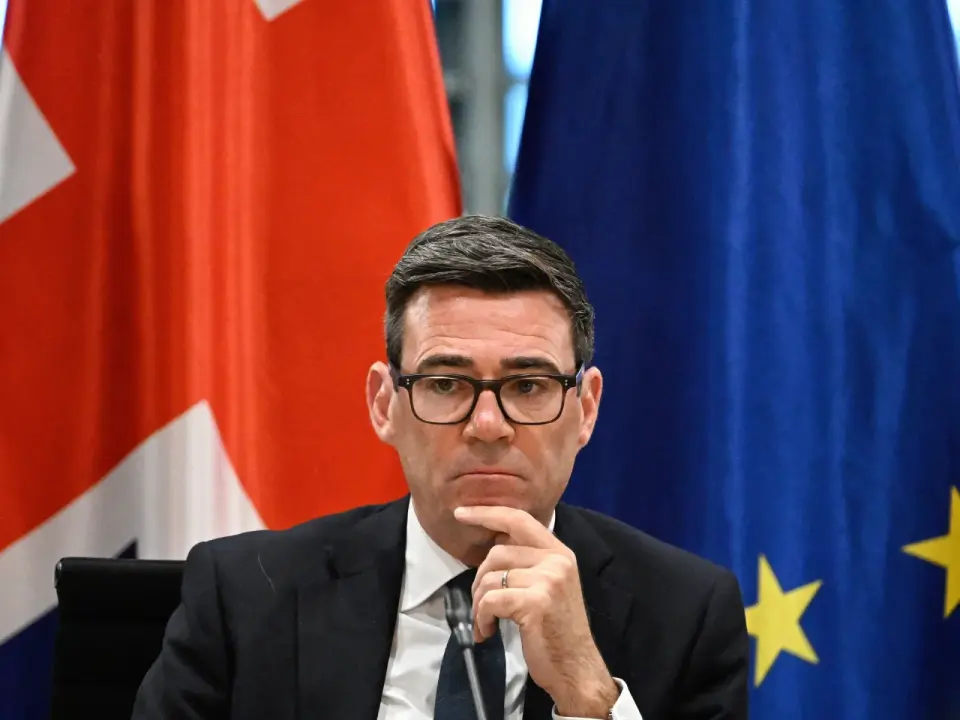
UK Prime Minister Andy Burnham has become the first British leader to explicitly confirm that Russia interfered in the 2016 Brexit referendum. Speaking on a podcast, he stated that intelligence sources provided a 'clear answer' upon his arrival at Downing Street. He linked this admission to current concerns about Russian disinformation campaigns targeting political stability in Germany and France, marking a sharp departure from previous Conservative government positions that denied successful interference.
Key points
- Andy Burnham stated in an interview with The Rest Is Politics podcast that he received a 'clear answer' from intelligence sources confirming Russian interference in the 2016 EU referendum.
- This is the first time a UK Prime Minister has publicly acknowledged such interference, breaking a decade of official ambiguity or denial by previous governments.
- Burnham did not provide specific evidence or details regarding the extent of the interference but emphasized the need to inform voters in Germany and France about similar threats.
- He discussed the issue with German Chancellor Friedrich Merz, noting links between Russia and the far-right Alternative for Germany (AfD) party.
- The admission follows a 2020 parliamentary report that criticized the government for failing to assess Russian interference, though it did not definitively confirm successful meddling in the 2016 vote.
Background
Previous UK governments, including the Conservative administration, maintained that there was no evidence of successful interference in the 2016 referendum, despite a 2020 Intelligence and Security Committee report criticizing the lack of investigation. Keir Starmer, Burnham’s predecessor, also avoided explicitly confirming interference. In September 2026, Burnham condemned Russian interference in the 2019 general election at the UN and announced a new center to combat disinformation. The current admission aligns with his broader rhetoric that Brexit has caused more harm than good and that the UK should reconsider its relationship with the EU.
How outlets are covering it
Al Jazeera and BBC report the core facts of Burnham’s admission, noting the lack of specific evidence provided. The Guardian highlights the political fallout, including Conservative accusations that Burnham is 'dangerous and divisive' for reopening the debate, and Lib Dem leader Ed Davey’s praise for the 'courage' of the statement. Pro-Brexit group Britain Unbound dismissed the claim as an insult to voters, arguing there is no evidence Russian intervention influenced the outcome. Foreign Office minister Stephen Doughty clarified that Burnham was referring to 'attempts' to interfere, not necessarily a successful change of the result, while acknowledging the threats exist. Russia has consistently denied meddling in Western elections, labeling such claims as 'Russophobia' or 'anti-Russian hysteria'.
Why it matters
This admission signals a significant shift in UK government stance on foreign interference, potentially influencing future electoral security policies and international relations with Russia. It also underscores the growing concern over Russian disinformation campaigns targeting European democracies, particularly in Germany and France, where far-right parties are gaining traction. The move may impact public perception of the 2016 Brexit vote and fuel debates about the legitimacy of past democratic processes, while also justifying new measures to protect democratic institutions from foreign influence.
What to watch
Burnham is expected to address MPs in a statement later today, potentially expanding on his views on Brexit and EU relations. The government plans to strengthen powers through the National Security Act and enhance the resilience of institutions and critical infrastructure against foreign threats. Further scrutiny may arise regarding the specific evidence behind the intelligence assessment, and the political opposition is likely to continue challenging the narrative, framing it as an attempt to undermine the 2016 result.
- UK PM Andy Burnham says it is ‘clear’ Russia interfered in 2016 Brexit vote Al Jazeera
- Burnham says it is 'clear' Russia interfered with Brexit vote BBC
- UK politics live: Tories accuse Burnham of being ‘dangerous and divisive’ after he confirms Russian interference in Brexit campaign The Guardian
- UK prime minister says it is 'clear' Russia interfered in 2016 Brexit referendum ABC News - Breaking News, Latest News and Videos
- UK PM Burnham says Russia interfered in 2016 Brexit vote Reuters
Want the full story? Read the original reporting
Read on Al Jazeera