
Burnham Confirms Referendum Needed for EU Single Market Return, Clarifies Free Movement Stance
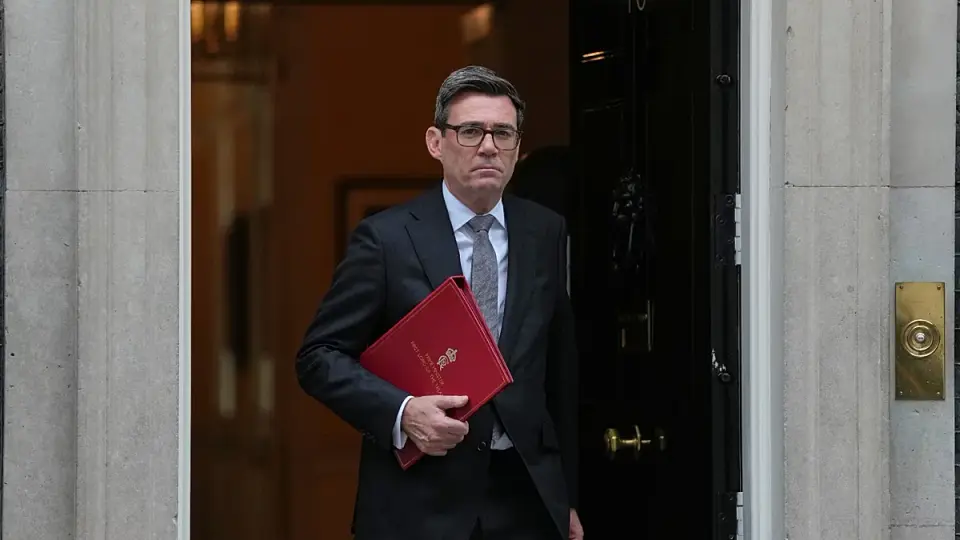
UK Prime Minister Andy Burnham has clarified that returning to EU free movement or joining the single market would require a public referendum, not just a general election mandate. While he advocates for an 'honest discussion' on migration changes since Brexit, he maintains that no final decision has been made. Burnham rules out joining the euro or Schengen area, focusing instead on practical trade deals ahead of a November 20 summit.
Key points
- Burnham stated that reintroducing EU free movement or joining the single market would necessitate a referendum, contradicting earlier ambiguity about whether a general election mandate would suffice.
- The Prime Minister argues that post-Brexit immigration patterns have shifted from temporary 'revolving door' movement to permanent settlement, complicating current control mechanisms.
- Downing Street sources emphasize that Burnham is not proposing immediate policy changes but seeking to initiate a long-term debate on the UK's relationship with Europe.
- Burnham explicitly ruled out joining the euro or the Schengen borderless area, noting the UK was not part of Schengen prior to Brexit.
- The UK-EU summit on November 20 will focus on practical agreements regarding food, drink, youth mobility, and emissions trading rather than structural membership changes.
Background
This development follows Burnham's recent comments about an 'honest discussion' on free movement, which marked a departure from Labour's 2024 manifesto that ruled out single market membership. Previous coverage noted internal party debate and opposition backlash, with Burnham insisting that any final decision rests with the British public. The current clarification aims to resolve confusion regarding whether a referendum or an election mandate is the required democratic mechanism for such a significant shift.
How outlets are covering it
Euronews highlights Burnham's openness to readopting free movement rules as part of future relations, emphasizing his view that immigration dynamics have changed since 2020. The Guardian reports that Burnham created confusion by initially suggesting a referendum might not be necessary for single market membership, only to firm up his position that a referendum is required, with No 10 sources clarifying that no final decision has been made. BBC notes that while Burnham is against a quick return to free movement, he is open to a conversation, with sources indicating he believes a referendum is needed for major changes. Conservative leader Kemi Badenoch and Reform UK leader Nigel Farage strongly oppose any return to free movement, with Farage calling it a 'total betrayal' and arguing that a 'stay out' campaign would win comfortably. The Liberal Democrats support free movement, citing economic growth benefits. Burnham's stance contrasts with his predecessor Keir Starmer's firm rejection of such options, though Burnham remains committed to the 2024 manifesto for the current term.
Why it matters
This clarification defines the democratic threshold for potential major changes in UK-EU relations, influencing the political strategy for the next general election. It impacts economic policy by determining the feasibility of single market access, which is tied to free movement. The debate also reflects broader tensions between pro-EU and anti-Brexit factions, potentially affecting voter sentiment and party cohesion ahead of the 2029 election.
What to watch
Burnham is expected to present options for closer EU relations around the November 20 summit, focusing on practical trade deals. The outcome of the summit and subsequent public debate will shape the political landscape for the next general election, where a mandate for any major change in UK-EU relations may be sought. The referendum question remains unresolved, with no final decision made on whether single market membership would require a separate vote.
- UK's Andy Burnham wants 'honest discussion' on EU free movement Euronews.com
- No 10 plays down UK joining EU single market after Burnham suggests referendum would be needed – UK politics live The Guardian
- Andy Burnham leaves door open to referendum on EU free movement BBC
- Burnham Fuels Brexit Reset Talk Ahead of Summit Bloomberg.com
- UK PM Burnham says election not coming 'any time soon' Reuters
Want the full story? Read the original reporting
Read on Euronews.com