
Burnham’s 204-Minute Manifesto: Ambition Meets Fiscal Reality
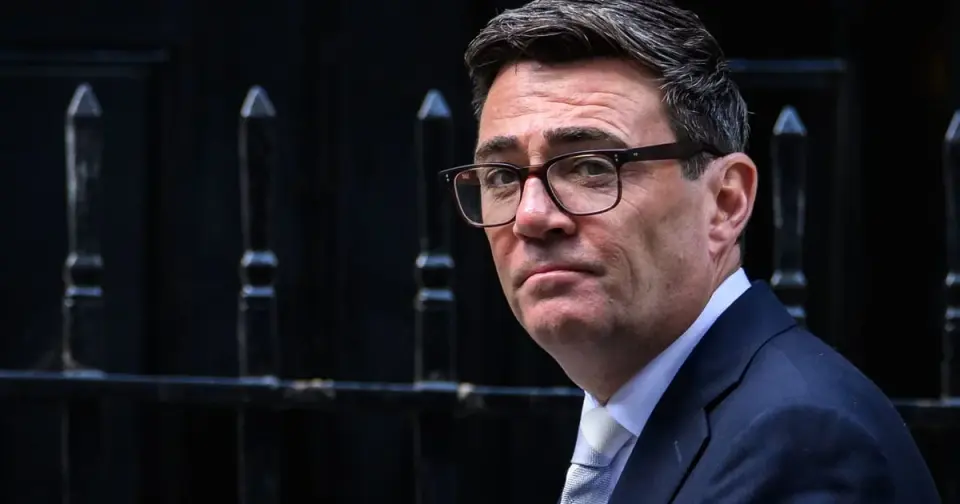
In his first parliamentary statement, Prime Minister Andy Burnham outlined a sweeping agenda for public control, defense spending, and EU relations, but faced immediate criticism over fiscal risks and contradictory stances.
Key points
- Burnham spent over 204 minutes answering 125 questions in the Commons, promising to 'bring back hope' through major reforms.
- He pledged to increase defense spending to 3% of GDP by 2030, aligning with Chancellor John Healey’s prior demands, though a decision is delayed until a 2027 spending review.
- The PM signaled potential renationalization of the water sector and greater public control of utilities, while also hinting at approval for North Sea oil and gas projects like Jackdaw.
- Burnham blamed Brexit and Thatcher-era privatization for a decade of low growth, promising closer EU ties but maintaining Labour’s stance against rejoining the single market.
- Conservative leader Kemi Badenoch accused Burnham of wanting to return the UK to the 1970s, while former adviser Lord Jim O’Neill warned his rhetoric could destabilize bond markets.
Background
Burnham took office 43 days ago, succeeding Keir Starmer, who announced his retirement from the Commons on the same day. The archive notes no direct background on UK politics, but the current economic backdrop includes high borrowing costs and a global bond sell-off.
How outlets are covering it
Politico emphasizes the sheer volume of commitments and the tension between rhetoric and practical constraints, noting Burnham’s 'new leader' advantage of not yet having disappointed constituents. The Guardian highlights the three task forces led by deputy Louise Haigh, focusing on cost-of-living, public control, and regeneration, while framing the speech as a 'brutal honesty' about past wrong turns. The Financial Times focuses on the market reaction, citing the 10-year gilt yield rising to 5.21% and O’Neill’s concerns about fiscal discipline. The Telegraph source was inaccessible due to a security block, so its perspective is unavailable. All sources agree on the core policy promises but differ on the emphasis: Politico on political capital, Guardian on social impact, and FT on economic stability.
Why it matters
Burnham’s agenda sets the stage for the next general election and the October budget, with potential implications for UK-EU relations, defense spending, and the cost of living. The conflicting signals on energy and public control could influence investor confidence and domestic policy implementation.
What to watch
Watch for the October budget from Chancellor Healey, the 2027 spending review on defense, and the outcome of the task forces on water and housing. Also, monitor the UK-EU summit in November and Burnham’s statement on the West Bank E1 settlement.
- Burnham promised hope. Reality is already getting in the way politico.eu
- Burnham blames Brexit and Thatcher for ‘wrong turns’ in first Commons speech as PM The Guardian
- Andy Burnham accused of taking Britain back to the 1970s Financial Times
- Burnham’s a dud in his debut at Dispatch Box The Telegraph
- Burnham to face first PMQs as adviser warns debt costs will force government to 'get real' BBC
Want the full story? Read the original reporting
Read on politico.eu