
Chad’s President Pardons Rival Masra and Eight GCAP Leaders Amid ICC Withdrawal Controversy
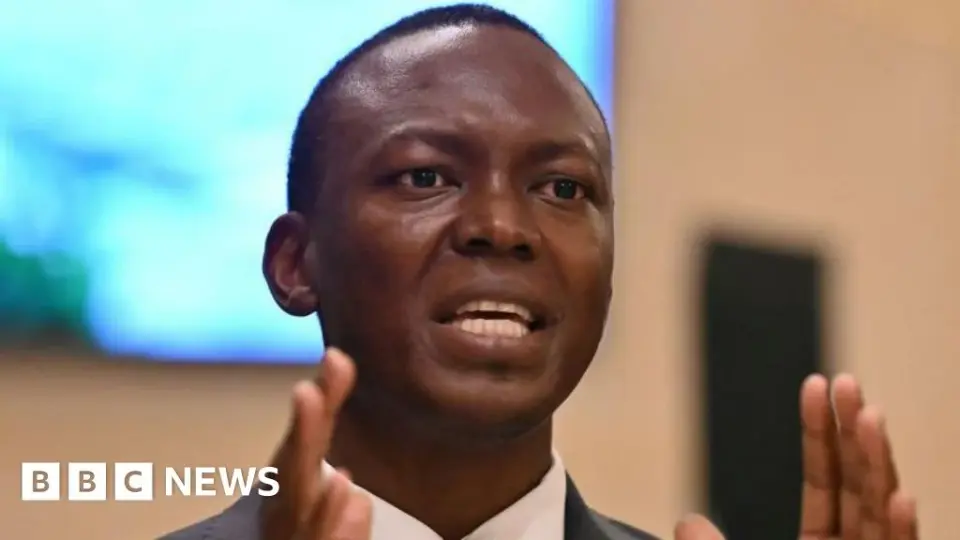
Chadian President Mahamat Déby has granted a state pardon to former Prime Minister Succès Masra and eight other political figures from the GCAP coalition, paving the way for their release from prison. Masra, who claimed victory in the 2024 election, was serving a 20-year sentence for alleged links to violence in the southwest. The other eight, who faced eight-year terms for organizing a banned protest, were also pardoned. However, the presidency clarified that this pardon is not an amnesty, meaning the individuals could still face prosecution. A separate decree allows other detainees to receive partial sentence reductions. The move follows a presidential promise to foster national unity and comes amid opposition calls for Chad to reverse its withdrawal from the International Criminal Court.
Key points
- President Mahamat Déby pardoned former PM Succès Masra and eight GCAP members, allowing their release from prison.
- Masra was serving a 20-year sentence for alleged links to violence in the southwest; the GCAP members faced eight-year terms for organizing a banned protest.
- The presidency stated the pardon is not an amnesty, so the nine individuals could still be prosecuted.
- A separate decree grants partial sentence reductions to other detainees across the country.
- The pardon follows a presidential promise to promote national unity, peace, and reconciliation.
- The COSADT coalition had previously demanded Masra’s release and Chad’s return to the ICC, which the government had withdrawn from.
Background
Chad’s political landscape has been marked by tensions between President Mahamat Déby and opposition figures. Succès Masra, a fierce critic of the president, claimed to have defeated him in the 2024 election. The GCAP coalition, a renowned political grouping, has been active in opposing the government. The country’s withdrawal from the International Criminal Court (ICC) has drawn criticism from opposition groups, who argue it undermines justice and accountability. Previous coverage in our archive does not relate to this story, as it focuses on UK political transitions.
How outlets are covering it
BBC reports that the pardon is a move to foster national unity but emphasizes that it is not an amnesty, leaving open the possibility of future prosecution. Beninwebtv.com highlights the COSADT coalition’s prior demands for Masra’s release and Chad’s return to the ICC, framing the pardon as a response to opposition pressure. COSADT leaders argue that the imprisoned figures were detained for political activities and that the ICC is their only recourse for justice. The two sources differ in emphasis: BBC focuses on the legal nuance of the pardon, while Beninwebtv.com centers on the political and judicial implications of Chad’s ICC withdrawal.
Why it matters
The pardon signals a shift in Chad’s political dynamics, potentially easing tensions between the government and opposition. However, the lack of amnesty and the ongoing ICC withdrawal debate suggest that legal and political uncertainties remain. The release of high-profile figures could influence future political participation and public trust in the justice system.
What to watch
The released individuals may re-enter political life, though the risk of prosecution persists. The COSADT coalition may continue to press for Chad’s return to the ICC. The government’s response to these demands and the implementation of the partial sentence reductions will be key developments to watch.
- Chad's Succès Masra: Former prime minister given state pardon BBC
- Chad's president pardons main rival and opposition leader in jail Reuters
- Chad: the COSADT calls for a return to the ICC and the release of political prisoners. beninwebtv.com
- Chadian president pardons nine jailed opposition leaders Arab News
- Chad President Pardons 9 Political Leaders, Including Former PM Masra Sarawak Tribune
Want the full story? Read the original reporting
Read on BBC