
Charles III to Confront Colonial Legacy in Caribbean Tour Amid Ongoing Royal Controversies
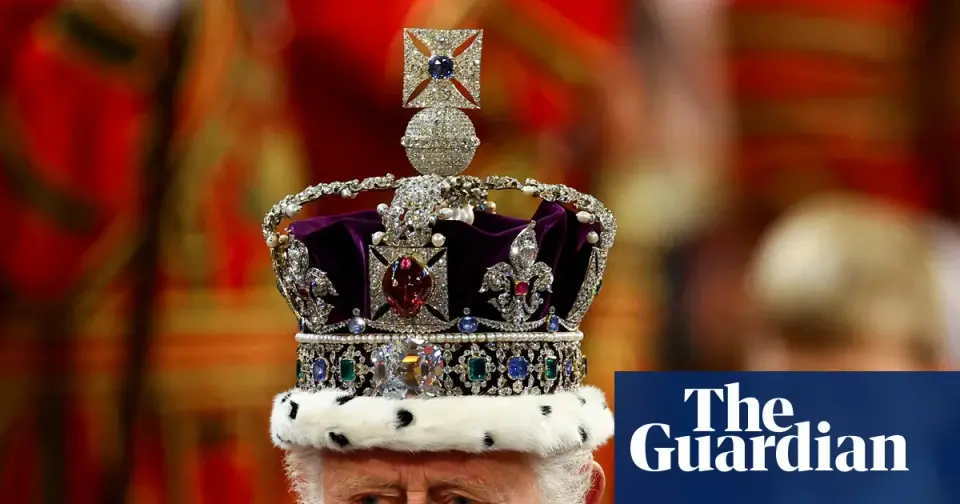
King Charles III will tour the Bahamas, Guyana, and Antigua and Barbuda from October 27 to November 4, explicitly addressing the 'darkest days' of British colonial rule and slavery. The visit includes a speech at a Commonwealth meeting and a state visit to Guyana for its 60th independence anniversary. While the palace emphasizes acknowledging past wrongs, the UK government maintains it will not pay reparations, a stance that contrasts with the king's personal commitments.
Key points
- The tour runs from October 27 to November 4, visiting the Bahamas, Guyana, and Antigua and Barbuda.
- Charles will speak at a Commonwealth heads of government meeting in Antigua and Barbuda.
- The palace states the visit will not 'shy away' from discussing the 'darkest days' of the past.
- Charles remains the head of state in the Bahamas and Antigua and Barbuda, though the role is largely ceremonial.
- The UK government recently rejected Jamaican petitions for slavery reparations, a stance distinct from the king's personal remarks.
- The trip includes meetings with cricket legends and conservationists, focusing on the 'vibrant present' of the nations.
Background
This diplomatic effort occurs amidst significant internal royal tensions. Recent archive coverage highlights a dispute between King Charles III and Princess Diana’s brother, Charles Spencer, over memoir claims regarding the king's behavior after Diana's 1997 death. Additionally, earlier discussions suggested that the return of Prince Harry and Meghan could help revitalize the monarchy’s public image, which has faced scrutiny over its handling of historical issues and internal family dynamics.
How outlets are covering it
The Guardian and Town & Country Magazine both report on the palace’s official stance that the tour will address historical grievances. However, the Guardian provides a broader political context, noting the UK government’s recent rejection of reparations petitions from Jamaica, which creates a tension between the monarch’s personal acknowledgments and the state’s legal position. The secondary source focuses primarily on the palace’s confirmation that the king will not avoid discussing slavery, without detailing the government’s opposing legal stance as prominently as the primary source.
Why it matters
The tour represents a significant diplomatic and symbolic attempt to reconcile the monarchy with its former colonies. By explicitly naming the 'darkest days' of colonialism, the king seeks to address lingering resentment and calls for reparations. However, the divergence between the monarch’s personal remorse and the UK government’s refusal to pay reparations highlights the complex and often conflicting approaches to historical accountability within British institutions.
What to watch
The king is expected to deliver a speech at the Commonwealth meeting in Antigua and Barbuda and participate in independence anniversary celebrations in Guyana. The outcome of these diplomatic engagements will likely influence the monarchy’s standing in the region, particularly as the UK government continues to resist legal and financial reparations for slavery.
- King Charles III to acknowledge ‘darkest days’ of Britain’s colonial rule during Caribbean tour The Guardian
- No apology but King Charles will not shy away from slavery issue during Caribbean tour, Buckingham Palace says Reuters
- King will not apologise for slave trade on Caribbean tour The Times
- King Charles’s Caribbean Trip Will “Not Shy Away” From Addressing Slavery, Palace Says townandcountrymag.com
- King Charles Won’t ‘Shy Away’ from Shame Surrounding U.K.’s Role in Slave Trade During Caribbean Tour people.com
Want the full story? Read the original reporting
Read on The Guardian