
Charles's Caribbean Tour Faces Scrutiny Over Empire's Extractive Wealth
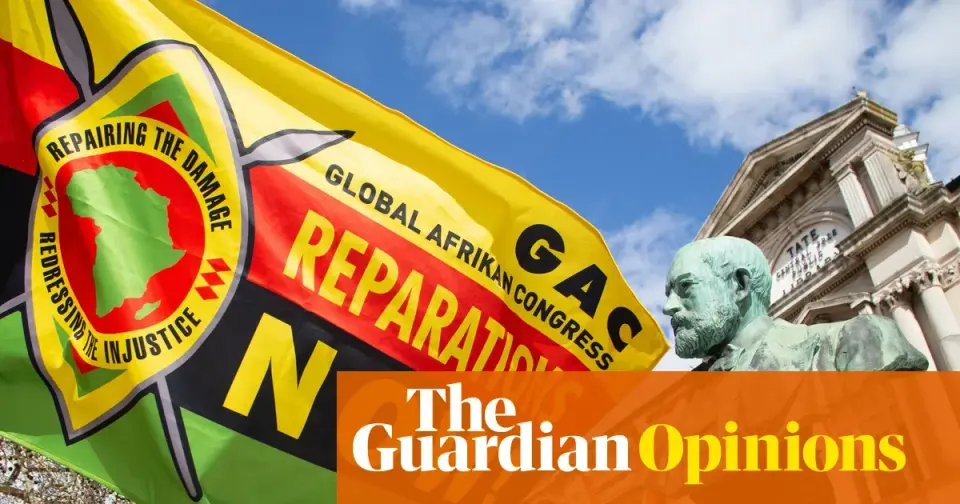
King Charles III is set to tour the Caribbean from October 27 to November 4, visiting the Bahamas, Guyana, and Antigua and Barbuda. While the visit aims to foster community and shared futures, critics argue it ignores the exploitative nature of British colonialism. Recent UK political rhetoric has falsely claimed that colonies owe Britain gratitude for institutions, a view contradicted by historical records. Winston Churchill admitted in 1937 that colonial wealth, particularly from Caribbean slavery, financed Britain's global dominance. The UK government refuses to pay reparations, despite growing demands from former colonies for accountability and justice.
Key points
- King Charles III will visit the Bahamas, Guyana, and Antigua and Barbuda from October 27 to November 4, culminating in a Commonwealth heads of government meeting.
- UK politicians, including Reform MP Robert Jenrick and former minister Jacob Rees-Mogg, have argued that British colonialism was a 'civilising force' and that former colonies owe Britain a 'debt of gratitude' for institutions like railways and courts.
- Winston Churchill's 1937 speech to the West India committee acknowledged that Britain's global economic power was funded by capital extracted from the West Indies and India, specifically citing the 'unexpected margin of capital' from two centuries of Caribbean slavery.
- The UK government maintains that it will not pay reparations for slavery, stating that such matters are for the government, not the monarchy, despite Charles expressing personal sorrow over the atrocity.
- Critics argue that the 'gratitude' narrative ignores the extraction of resources and labor that built Britain's wealth, while former colonies continue to face structural economic disadvantages and climate vulnerability.
Background
King Charles III's upcoming Caribbean tour, scheduled from October 27 to November 4, includes visits to the Bahamas, Guyana, and Antigua and Barbuda. The trip coincides with Guyana's 60th independence anniversary and a Commonwealth heads of government meeting. The monarch, who is undergoing cancer treatment, has previously expressed personal sorrow over slavery but has not formally apologized, as the UK government opposes reparations. This visit follows a period of renewed debate in the UK regarding the legacy of empire, with some politicians advocating for a positive view of colonialism while others, including Caribbean leaders, demand accountability and reparations.
Why it matters
The debate over British colonialism's legacy is central to understanding current diplomatic and economic relationships between the UK and its former colonies. The refusal to pay reparations and the promotion of a 'civilising mission' narrative by UK politicians contradict historical evidence of exploitation and extraction. This tension affects the credibility of the Commonwealth as an association of equal nations and impacts the ability of smaller, vulnerable states to secure meaningful support on issues like climate change and debt. Addressing these historical grievances is essential for genuine partnership and justice.
What to watch
King Charles III will deliver a speech at the Commonwealth heads of government meeting and mark Guyana's 60th independence anniversary during his tour. The UK government is expected to maintain its stance against reparations, while Caribbean nations may continue to press for dialogue and accountability. The outcome of the visit will likely depend on whether the monarchy can bridge the gap between symbolic gestures and substantive economic justice, or if it will be seen as an attempt to contain demands for reparatory justice.
- As King Charles heads to the Caribbean, he should know what Winston Churchill admitted to 90 years ago The Guardian
- Can the King charm the Caribbean as calls for reparations grow? The Times
- Churchill Acknowledged Colonial Wealth Built Britain's Power Demokratis.co.id
- Churchill Acknowledged Colonial Wealth Behind Britain's Economic Rise SuaraGarut.ID
- Churchill Linked Colonial Wealth to Britain's Economic Power SuaraGarut.ID
Want the full story? Read the original reporting
Read on The Guardian