
Chile's Kast Approval Plummets to 24% as Fuel Protests and Controversial Decrees Spark Unrest
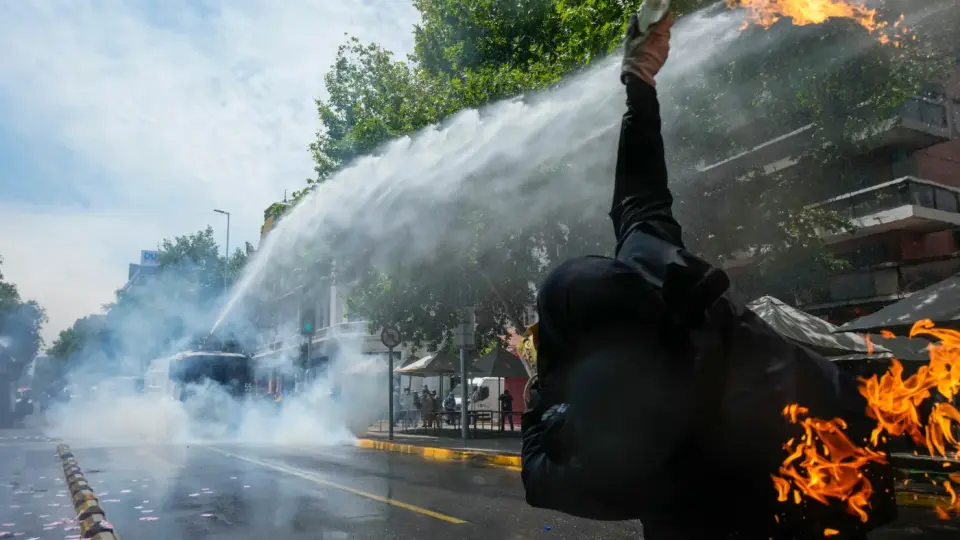
Chilean President José Antonio Kast faces a sharp drop in approval ratings to 24% following eight months in office, driven by soaring fuel costs and controversial policy reversals. Protests erupted in Santiago over education cuts, reduced sentences for sexual offenders, and the government's decision to forgo anti-inflation tools during a global fuel price spike. Truckers' unions blockaded major highways, forcing the government to send a bill to Congress to reverse planned fuel price increases. While Kast admitted the sentence reductions were an error, he defended the official who signed the decrees. The unrest mirrors broader discontent across the Americas, where leaders aligned with U.S. policies face backlash over rising living costs. Kast's current budget proposal seeks further cuts to education, culture, and social programs, potentially escalating public anger.
Key points
- President José Antonio Kast's approval rating has fallen to 24% after eight months in power, marking a significant decline from his December 2025 inauguration.
- Protests in Santiago, including a November 5 demonstration involving Molotov cocktails and water cannons, were triggered by education policy changes, rising living costs, and reduced prison sentences for sexual offenses against minors.
- In July, the government chose not to apply an anti-inflation tool to mitigate fuel price increases caused by the U.S.-Israeli war with Iran, leading to immediate public backlash and long queues at gas stations.
- Truckers' unions blockaded two major highways in early November, forcing the government to send a bill to Congress to reverse planned fuel price hikes; the bill is expected to pass this month.
- Kast admitted that signing decrees to cut sentences for 56 prisoners, including those convicted of child rape and dictatorship-era human rights violations, was an error, but he defended the undersecretary who signed them.
- Kast's current budget proposal seeks to cut funding for education, culture, science, and social programs, which critics argue exacerbates public discontent over affordability and welfare.
Background
Chile has experienced a series of economic disruptions in late 2026, with small retailers facing margin collapse due to fuel-driven shipping costs and agricultural exports threatened by trucker blockades. The global fuel price surge, driven by the U.S.-Israeli war with Iran and the conflict in Ukraine, has led to record profits for oil majors like ExxonMobil and Chevron while consumers face the highest gasoline prices on record. This broader economic strain has intensified political debate across Latin America, where leaders aligned with U.S. policies are facing backlash over rising living costs. Kast's inauguration in December 2025 was marked by a focus on immigration and security, avoiding his hardline stances on social issues, but his subsequent policies have triggered widespread opposition.
Why it matters
The decline in Kast's approval ratings and the escalation of protests signal a potential shift in Chile's political landscape, as voters prioritize economic stability and social welfare over the security-focused agenda that brought him to power. The government's decision to reverse fuel price hikes and the ongoing debate over budget cuts to social programs highlight the tension between fiscal conservatism and public demand for affordability. If the government fails to address the rising cost of living, protests are likely to grow, potentially destabilizing the administration and influencing regional political trends. The case also underscores the vulnerability of right-wing leaders in the Americas to economic shocks, as seen in Argentina and Peru, where similar disapproval ratings are emerging amid inflation and supply chain disruptions.
What to watch
The bill to reverse planned fuel price rises is expected to be approved by Chile's Congress this month, but public anger over the cost of living is likely to persist. Kast's budget proposal, which includes cuts to education, culture, and social programs, will face scrutiny as it moves through Congress, potentially triggering further protests. The government may need to engage in additional negotiations with truckers' unions and other stakeholders to address ongoing economic grievances. In the broader regional context, the outcomes in Chile may influence the political trajectories of other right-wing leaders in the Americas, such as Javier Milei in Argentina and Keiko Fujimori in Peru, who are also facing high disapproval ratings amid economic challenges.
Want the full story? Read the original reporting
Read on NPR