
Conservatives pledge to ban on-screen exams and cap classroom screen time
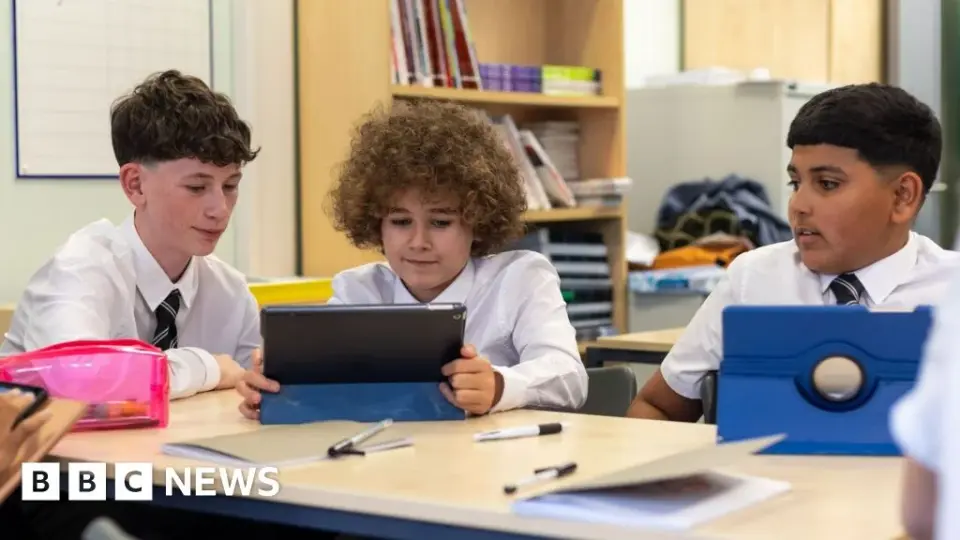
The Conservative Party has pledged to halt the introduction of on-screen exams and limit daily screen time for secondary pupils to two hours if they return to power. Shadow education secretary Laura Trott argues that excessive screen use harms children’s health and learning, citing warnings from clinicians. The party also proposes cutting coursework to reduce reliance on generative AI and reallocating £900m in education technology funding to a £250m textbook fund. The current Labour government is developing its own screen-time guidance for children aged 5 to 18.
Key points
- Conservatives will stop the rollout of on-screen exams, maintaining pen-and-paper assessments as the standard.
- Secondary school pupils would be limited to a maximum of two hours of screen time per day.
- Primary schools would minimize screen use, restricting it to necessary curriculum activities like computing.
- Early years education would see a complete ban on screen time.
- Coursework would be minimized to prevent students from becoming overly reliant on generative AI platforms.
- The party proposes redirecting £900m currently spent on educational technology into a £250m fund for new textbooks.
Background
This proposal follows a broader debate on technology in schools, including a recent smartphone ban in English schools and a forthcoming social media ban for under-16s. The Conservative Party has recently pivoted toward traditionalist policies, as noted in earlier coverage of their stance on education and social issues.
How outlets are covering it
The Conservatives, led by shadow education secretary Laura Trott, argue that screens pose a 'danger' to children’s health and learning, emphasizing that adults have legal rights to break from screens but children do not. They support the Health Professionals for Safer Screens campaign, which claims nearly one million children learn from screens during most lessons. In contrast, the Labour government, represented by education secretary Lucy Powell, argues that the Conservatives failed to address technology challenges during their previous 14 years in power. Labour emphasizes that the issue is not just screen-time limits but reimagining childhood to encourage reading, play, and social interaction. The government is developing its own guidance for children aged 5 to 18, while the Conservatives focus on strict limits and reduced reliance on digital tools.
Why it matters
The debate over screen time in schools reflects a growing concern about the impact of technology on children’s physical and developmental health. If the Conservatives implement these policies, it could significantly alter the educational landscape in England, prioritizing traditional learning methods over digital integration. This could also influence future discussions on AI use in education and the balance between technology and traditional teaching methods.
What to watch
The Labour government plans to publish clear guidance on screen use for children aged 5 to 18 in the new year. The Conservatives will likely continue to campaign on this issue, potentially influencing public opinion and policy discussions ahead of the next election. The implementation of the smartphone ban in schools and the social media ban for under-16s will also be closely monitored for their impact on student behavior and education.
- Tories pledge to halt screen-based school exams and cut coursework BBC
- Stop school ‘screen-creep’ and bring back paper and pen, says Laura Trott The Times
- Tories call for ‘dangerous’ screen time to be limited in classroom The Independent
- Kemi Badenoch vows to cut screentime in schools with return to pen-and-paper learning under Tory plan The Sun
- Half of parents worried about impact of school screen time on children’s health, poll shows Mirror
Want the full story? Read the original reporting
Read on BBC