
CSTO Summit in Moscow Highlights Russia's Fading Grip on Post-Soviet Allies
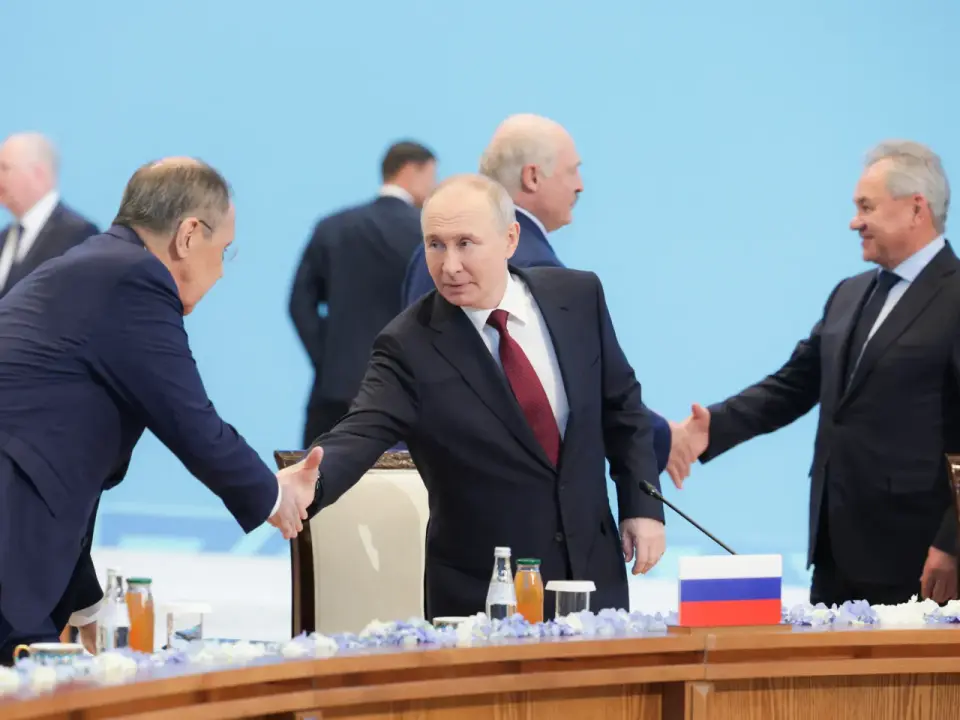
Vladimir Putin is set to chair the Collective Security Treaty Organization (CSTO) summit in Moscow on November 11, a meeting that underscores the bloc's internal fractures. Armenia has effectively suspended its participation since 2024, blaming the alliance for failing to provide military support during its 2020 conflict with Azerbaijan. While the summit aims to finalize a counterterrorism strategy through 2030, analysts note that Russia's influence is waning due to its war in Ukraine and the rise of alternative security partnerships among former Soviet states.
Key points
- Putin will host the CSTO Collective Security Council summit in Moscow on November 11, following planned US-brokered talks between Ukraine and Russia in Abu Dhabi.
- Armenia’s membership is frozen; Prime Minister Nikol Pashinyan stated that Yerevan’s interest in the CSTO has run its course after the bloc failed to aid Armenia in the 2020 Nagorno-Karabakh war.
- The summit agenda includes signing a final declaration and a counterterrorism strategy through 2030, with a focus on security threats from Afghanistan, particularly the ISKP group.
- Belarusian President Aleksandr Lukashenko is attending the summit to discuss collective security in the Eurasian space and will hold a bilateral meeting with Putin on November 10.
- Analysts argue that Russia’s military failures in Ukraine and Western sanctions have weakened its leverage, prompting Central Asian and South Caucasus nations to seek alternative security frameworks.
Background
This summit occurs amid broader geopolitical shifts, including US-brokered peace talks between Ukraine and Russia in Abu Dhabi and ongoing tensions in the Middle East. Previous coverage noted that Russia and China may exploit perceived US weakness post-midterms, while Japan-Russia talks stalled over sanctions and detained journalists. The CSTO’s struggles reflect a broader trend of former Soviet states diversifying their security alliances, moving away from Moscow’s traditional dominance.
How outlets are covering it
Al Jazeera emphasizes the symbolic nature of Armenia’s boycott, describing it as a 'demonstrative whipping' that highlights Russia’s inability to enforce loyalty. It notes that other CSTO members, such as Uzbekistan, have suspended or limited their participation, preferring observer status or alternative alliances like the Organization of Turkic States. UA.NEWS focuses on the timing of the summit, linking it to the Abu Dhabi talks and the signing of a counterterrorism strategy. BelTA highlights the formal diplomatic aspects, noting Lukashenko’s detailed presentation on Minsk’s position and the signing of approximately two dozen documents. The sources differ in emphasis: Al Jazeera and UA.NEWS focus on the political and strategic implications, while BelTA focuses on the procedural and diplomatic outcomes.
Why it matters
The CSTO summit reveals the fragility of Russia’s post-Soviet security architecture. Armenia’s withdrawal and the reluctance of other members to support Moscow in Ukraine signal a shift in regional power dynamics. The focus on counterterrorism and Afghanistan highlights the bloc’s attempt to maintain relevance, but the lack of military support in past conflicts undermines its credibility. This could accelerate the fragmentation of the post-Soviet space, with nations seeking alternative security partnerships.
What to watch
The summit will conclude with the signing of a final declaration and a counterterrorism strategy through 2030. The outcome will likely reflect the bloc’s inability to resolve internal disputes, particularly regarding Armenia’s status. Future meetings may focus on regional security threats, but the lack of military cohesion and the rise of alternative alliances suggest that the CSTO’s influence will continue to decline. The Abu Dhabi talks between Ukraine and Russia may also influence the broader security landscape, potentially affecting the CSTO’s relevance.
- Moscow summit tests Russia’s waning grip on former Soviet allies Al Jazeera
- Russia CSTO chronicleonline.com
- Putin will gather Russia's allies in Moscow immediately after the talks with Ukraine in Abu Dhabi UA.NEWS
- Masadykov: CSTO occupies one of key positions in restructuring of international relations СБ. Беларусь сегодня
- Lukashenko heads to Russia for CSTO summit BelTA – News
Want the full story? Read the original reporting
Read on Al Jazeera