
Downing Street Clarifies Burnham's EU Free Movement Remarks Amid Political Backlash
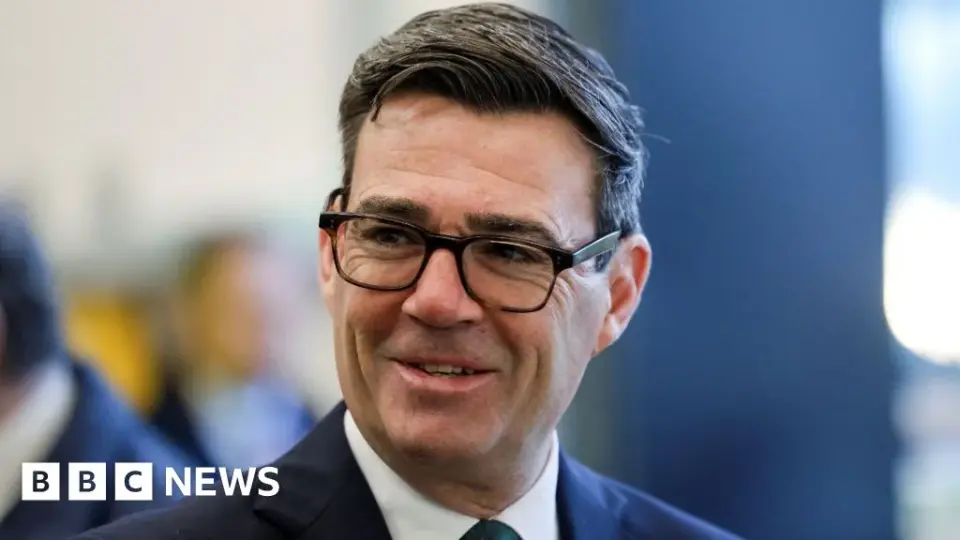
Downing Street has attempted to clarify Prime Minister Andy Burnham's recent comments regarding a potential referendum on EU free movement, stating that no decision has been made and the government is not proposing a return to free movement. While Burnham has ruled out joining the euro or Schengen area, he has opened the door to an 'honest discussion' on migration, sparking debate over whether a referendum is necessary or if parliamentary procedure should suffice.
Key points
- Downing Street sources stated that the government is not 'getting ahead' of public consultation and that Burnham is not leaning toward any specific option regarding EU free movement.
- Burnham confirmed he would not recommend joining the euro or the Schengen area, maintaining that any major changes to the UK-EU relationship require a general election mandate by 2029.
- The Prime Minister argued that migration patterns have changed since Brexit, with more permanent foreign residents compared to the transient EU citizens of the past.
- Burnham is scheduled to attend a key summit in Brussels on November 20, where he must avoid signing agreements that bypass a general election mandate.
- Opposition leaders, including Kemi Badenoch and Nigel Farage, have condemned the discussion as a betrayal of the Brexit vote, while the Liberal Democrats support rejoining the single market.
Background
This development follows Burnham's earlier confirmation that returning to the EU single market or free movement would require a public referendum, not just a general election mandate. He has previously advocated for an 'honest discussion' on migration changes since Brexit while ruling out joining the euro or Schengen area, focusing instead on practical trade deals ahead of a November 20 summit.
How outlets are covering it
BBC reporting highlights the apparent backtracking by Downing Street, noting that while Burnham suggested a referendum might be needed, sources clarified that no decision has been made and the government is not proposing a return to free movement. The Independent argues that the economic damage of Brexit necessitates a rational debate on free movement, criticizing the 'performative outrage' from opponents as a refusal to address the reality of labor shortages and economic stagnation. The Guardian, through reader letters, suggests that a referendum is unnecessary for a 'Bre-entry' deal, advocating for piecemeal changes through normal parliamentary procedure rather than a binary yes/no vote. Conservative and Reform UK leaders oppose any move toward free movement, with Farage warning that Burnham must not sign up to changes in Brussels without a general election mandate.
Why it matters
The debate over EU free movement is central to the UK's post-Brexit economic strategy and political stability. Burnham's stance could influence future trade negotiations and public sentiment, potentially reshaping the UK's relationship with the EU and addressing ongoing issues with migration and labor shortages. The outcome of this discussion may determine whether the UK pursues a new deal with the EU or maintains its current post-Brexit status.
What to watch
Burnham is expected to attend a key summit in Brussels on November 20, where he will likely discuss potential changes to the UK-EU relationship. The government is expected to continue consultations with the public before making any decisions on free movement or single market membership. The next general election, due by 2029, will likely be a key moment for any major changes to the UK's relationship with the EU.
- No 10 appears to backtrack on PM's freedom of movement referendum suggestion BBC
- Andy Burnham is open to adopting EU free movement The Times
- UK and EU officials to discuss freedom of movement BBC
- Now Britain knows the cost of Brexit, we can finally discuss it properly The Independent
- A referendum is not needed for the UK to reach a Bre-entry deal with Europe | Letters The Guardian
Want the full story? Read the original reporting
Read on BBC