
Eisenkot denounces Netanyahu’s rhetoric against Arab citizens as 'anti-state' amid coalition deadlock
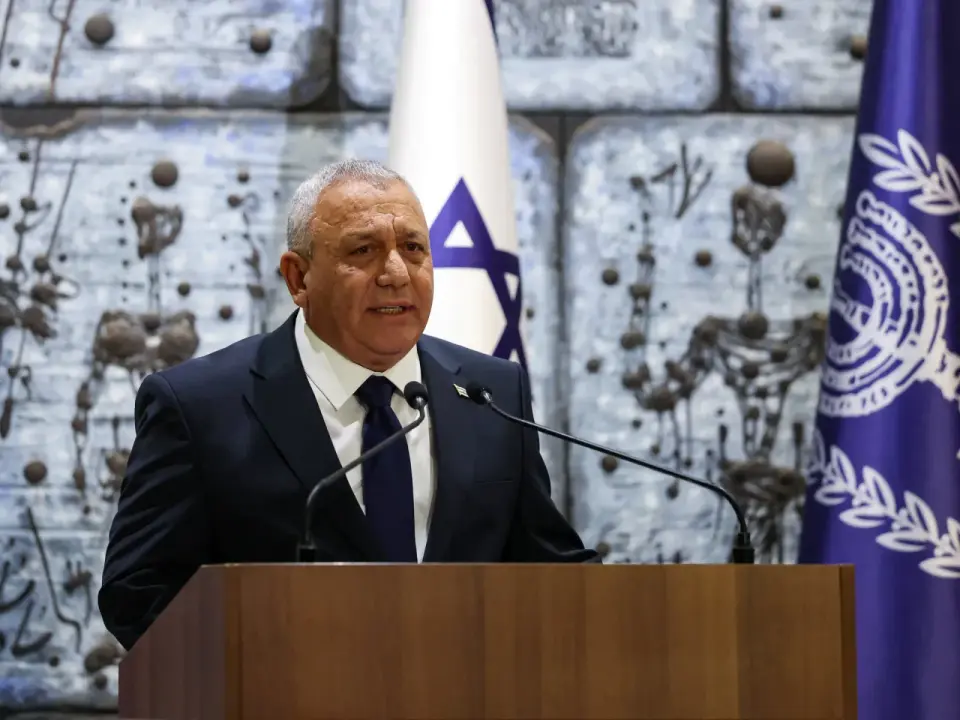
Former military chief Gadi Eisenkot, tasked with forming Israel’s next government, accused caretaker Prime Minister Benjamin Netanyahu of fueling a 'racist' campaign against Palestinian citizens. Eisenkot condemned Netanyahu’s recent attacks on Arab lawmakers as an 'anti-state act,' emphasizing that the prime minister serves all citizens. This clash occurs as Eisenkot struggles to build a coalition; his bloc holds 48 seats, while Arab-led parties, who won a record 19 seats, support him but are excluded from his proposed government. Netanyahu has rejected claims of electoral fraud by Arab parties, which Israeli authorities have dismissed, and continues to criticize them for not labeling Hamas a terror group, despite their condemnation of the 2023 attacks. Eisenkot has six weeks to form a government, with a potential 14-day extension, before the mandate may revert to Netanyahu.
Key points
- Eisenkot labeled Netanyahu’s rhetoric against Arab citizens as a 'racist and violent' campaign of delegitimization, calling it an 'anti-state act.'
- Arab-led parties won a record 19 seats in the October 27 election, making them potential kingmakers, but Eisenkot has ruled out including them in his coalition.
- Eisenkot’s four-party alliance holds 48 seats, short of the 61 needed for a majority; he is seeking support from ultra-Orthodox parties to reach the threshold.
- Netanyahu has repeatedly alleged electoral fraud by Arab-majority parties, claims that Israel’s electoral authorities have rejected.
- Eisenkot has six weeks to form a government, with a possible 14-day extension, before the mandate may pass to Netanyahu.
Background
The October 27, 2026, election resulted in a deadlock, with Netanyahu’s bloc securing 53 seats and Eisenkot’s alliance winning 48, both short of the 61-seat majority. Arab-led parties, representing Palestinian citizens who make up 21% of the population, won a record 19 seats. Prior to the election, Netanyahu’s campaign used AI tools to target Arab voters, and Palestinian citizens reported a surge in local crime. The election was marked by a lack of debate on peace or a two-state solution, with both major blocs focusing on domestic security and personal blame. Eisenkot, who led Israel’s military from 2015 to 2019, was tasked with forming a government by President Isaac Herzog after consultations with political parties, including the Arab lists.
How outlets are covering it
Al Jazeera, The Guardian, The New York Times, and The Jerusalem Post all report on Eisenkot’s condemnation of Netanyahu’s rhetoric, but they emphasize different aspects. Al Jazeera and The Guardian focus on the 'racist' nature of the campaign and the political implications for coalition-building. The New York Times highlights the international condemnation of Netanyahu’s speech, where he labeled Arab lawmakers as 'terror supporters.' The Jerusalem Post adds details on the internal tensions within Eisenkot’s coalition, particularly regarding Yashar MK Elisaf Peretz, and Eisenkot’s efforts to manage security concerns during the transition. All sources agree that Eisenkot faces a difficult path in forming a government without including Arab parties, despite their support.
Why it matters
The conflict between Eisenkot and Netanyahu over the treatment of Arab citizens highlights deep divisions in Israeli society and the political challenges of forming a government in a deadlocked parliament. The outcome of these negotiations will determine whether Israel can form a stable government or face another election, with significant implications for domestic stability and international relations. The 'racist' campaign against Arab citizens, if sustained, could further marginalize Palestinian Israelis and exacerbate tensions within the country.
What to watch
Eisenkot has six weeks to form a government, with a possible 14-day extension. If he fails, the mandate may pass to Netanyahu. Eisenkot is seeking support from ultra-Orthodox parties to reach the 61-seat majority. Netanyahu is weighing military action against Iran, despite a lack of enthusiasm from the United States and his own military establishment. The security situation and domestic tensions will require close oversight during the transition period.
- Eisenkot slams Netanyahu’s ‘racist’ campaign against Palestinian Israelis Al Jazeera
- Eisenkot accuses Netanyahu of ‘racist’ campaign against Israel’s Arab minority The Guardian
- Eisenkot Accuses Netanyahu of Fueling ‘Racist’ Hostility Against Arabs The New York Times
- Gadi Eisenkot defends Yashar MK, slams 'racist campaign against Arabs' The Jerusalem Post
- Eisenkot accuses Netanyahu of fueling ‘violent and racist’ campaign against Arabs The Times of Israel
Want the full story? Read the original reporting
Read on Al Jazeera