
India’s Youth Protests Face Winter Crackdown After Summer Wins
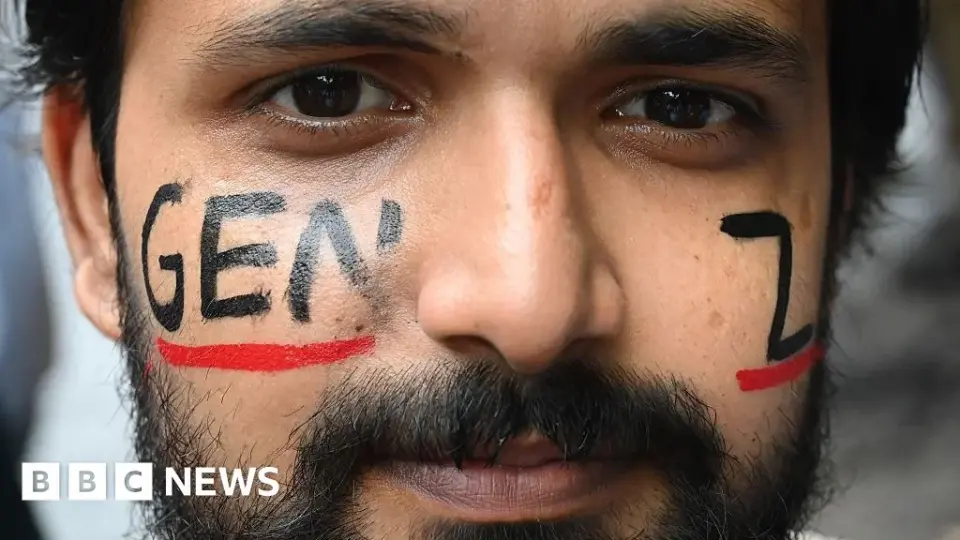
India’s Gen Z-led Cockroach Janta Party (CJP) faces a severe government crackdown following a successful summer campaign that forced Education Minister Dharmendra Pradhan to resign. While the movement initially gained momentum through online satire and mass mobilization against exam scandals and unemployment, authorities have since imposed strict restrictions on assemblies, detained thousands of protesters, and suspended internet services. Critics and human rights groups allege police brutality and arbitrary detention, while the ruling BJP defends its actions as necessary for public order. Despite the repression, opposition parties continue to hold large rallies, and CJP leaders maintain that the youth movement remains resilient.
Key points
- Education Minister Dharmendra Pradhan resigned in July 2026 after CJP protests over exam scandals and youth unemployment.
- The CJP, founded by Abhijeet Dipke, grew from a satirical online campaign into a mass movement across 34 cities.
- Authorities detained thousands of protesters in October, including CJP leaders Saurav Das and Ashutosh Ranka, who spent a week in Tihar Jail.
- Human rights groups report police use of excessive force, including pellet guns and batons, and sexual harassment of female journalists.
- The government removed Jantar Mantar from the list of authorized protest venues, a decision currently being challenged in court.
- Opposition parties, including the INDIA bloc, held a permitted rally at Ramlila Maidan on November 1, drawing tens of thousands of attendees.
Background
The CJP movement emerged in May 2026 after Supreme Court Chief Justice Surya Kant allegedly compared unemployed youth to cockroaches, a remark that ignited outrage over flawed board exams and high unemployment. The movement capitalized on deep-seated frustrations regarding the meritocratic system and lack of job opportunities. Previous protest movements, such as the 2020 farmers' protests and 2019 citizenship law demonstrations, faced similar state responses but were often dismissed as representing narrow interests. The CJP’s broad appeal across caste and class lines, amplified by social media satire, presented a unique challenge to the Modi government, which had previously struggled to contain open criticism.
How outlets are covering it
The BBC and UA.NEWS highlight the shift from summer victories to winter repression, noting the government’s increased forceful response and the chilling effect of legal proceedings. The McGill International Review emphasizes the structural failures in India’s education system, citing specific exam scandals involving the CBSE and NTA, and frames the CJP as a response to broken promises of social mobility. The World Organisation Against Torture (OMCT) and the United Against Torture Consortium (UATC) focus on human rights violations, documenting alleged police brutality, arbitrary detention of children, and sexual harassment, while calling for independent investigations. The BJP, through spokesperson Syed Zafar Islam, defends the crackdown as a constitutional necessity to maintain public order, rejecting accusations of suppressing peaceful dissent. Yamini Aiyar, a political analyst, notes that the CJP’s cross-class appeal makes it harder for the government to dismiss as 'anti-national' compared to previous movements.
Why it matters
The crackdown on the CJP signals a potential shift in the Modi government’s approach to dissent, moving from concession to repression. The movement’s success in forcing a minister’s resignation demonstrated the political power of youth mobilization, but the subsequent restrictions threaten to erode democratic freedoms. The international scrutiny, including calls from the UN Human Rights Office, highlights the tension between state security and civil liberties. The outcome will influence future protest movements in India and the broader trajectory of democratic norms under the current administration.
What to watch
CJP leaders, including Saurav Das, have vowed to continue the movement, stating that 'time is on our side.' Legal challenges to the removal of Jantar Mantar as a protest venue are ongoing. The government is expected to maintain strict security measures for any future demonstrations, while opposition parties may continue to organize large rallies to fill the void left by restricted CJP activities. International human rights organizations are likely to press for independent investigations into the alleged abuses, and the movement’s resilience will depend on its ability to sustain momentum despite legal and physical repression.
- CJP: India’s protesters face government crackdown after summer victory BBC
- Indian Youth Protests in Delhi Met With Heavy Security Deployment Under Modi Government New Age BD
- When All “Cockroaches” Come Together The McGill International Review
- India: Stop Torture and Police Violence against Young Protesters World Organisation Against Torture | OMCT
- Thousands of voting rights protesters detained in India — BBC News UA.NEWS
Want the full story? Read the original reporting
Read on BBC