
Eisenkot halts unity talks after Netanyahu’s divisive Knesset address
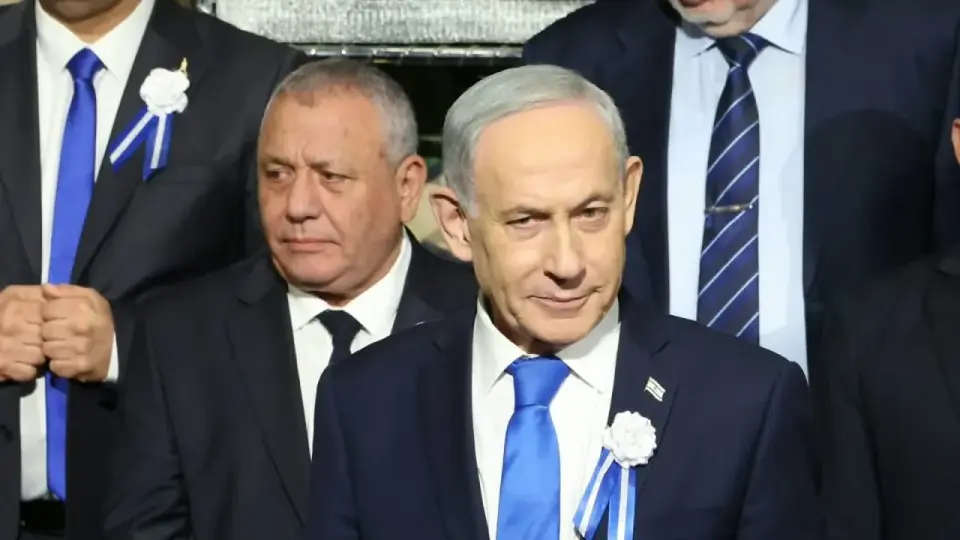
Yashar leader Gadi Eisenkot canceled scheduled coalition negotiations with Likud following Prime Minister Benjamin Netanyahu’s speech at the swearing-in of the 26th Knesset. Eisenkot described the address as divisive and accused Netanyahu of prioritizing personal survival over national unity. Netanyahu, serving as caretaker, continued to push for a unity government while attacking the prospect of alliances with Arab-led parties. The cancellation occurs as Eisenkot races to form a government within a 28-day window, facing hurdles regarding ultra-Orthodox conscription and Arab party participation. Meanwhile, Eisenkot has urged the Attorney General to intervene over his lack of security briefings, warning against non-urgent military action during the transition.
Key points
- Eisenkot canceled a meeting with Likud negotiators after Netanyahu’s Knesset speech, which Yashar described as divisive and disgraceful.
- Netanyahu called for a national unity government, citing threats from Iran and the rise of Arab-led lawmakers, whom he accused of seeking Israel’s destruction.
- Eisenkot’s party stated that Netanyahu chooses political survival over unity, while Likud accused opposition parties of pursuing talks with Arab factions that walked out during the national anthem.
- Eisenkot warned Netanyahu against deploying security forces without an immediate threat, urging the Attorney General to ensure proper cabinet oversight of military decisions.
- Netanyahu’s office dismissed the security concerns as politicization, insisting all decisions were based on security considerations and coordinated with the security establishment.
Background
The 26th Knesset was sworn in on November 10, 2026, with President Isaac Herzog tasking Eisenkot with forming a government. Eisenkot secured 67 endorsements but holds only 48 seats in his bloc, compared to 53 for Netanyahu’s coalition. The opposition has moved to strip Netanyahu of legislative control, securing the Arrangements Committee and scheduling a vote to replace the speaker. Eisenkot’s bloc has introduced bills to reverse judicial overhaul measures, impose term limits, and establish a state inquiry into the October 7, 2023, attacks. Netanyahu remains caretaker prime minister, facing corruption trials and potential inquiries into his government’s failings regarding the Hamas-led attack.
How outlets are covering it
The Jerusalem Post and Israel Hayom focus on the cancellation of talks, highlighting Yashar’s accusation that Netanyahu’s speech was divisive and that he prioritizes personal survival. Al Jazeera emphasizes the broader trend of personality politics in Israel, noting that Netanyahu’s speech was unusually contentious, with heckles and walkouts from Arab lawmakers. The Times of Israel highlights the security dimension, reporting Eisenkot’s demand for briefings and his warning against non-urgent military action, which Netanyahu’s office dismissed as politicization. Likud, across all sources, maintains its willingness to negotiate for unity but criticizes opposition parties for engaging with Arab factions that rejected Israel’s existence as a Jewish state.
Why it matters
The cancellation of unity talks deepens the political crisis in Israel, as Eisenkot faces a tight deadline to form a government without a majority. The dispute over security briefings and potential military action against Iran adds urgency to the transition, raising concerns about the stability of the caretaker government. The clash between Netanyahu’s call for unity and his attacks on Arab parties reflects the polarized nature of Israeli politics, where personality and ideology often overshadow policy. The outcome of coalition negotiations will determine whether Israel can form a stable government or faces further instability, potentially leading to another election.
What to watch
Eisenkot has 28 days to form a government, with a possible extension of 14 days. He must secure a coalition that includes parties willing to accept his four principles, including recognition of Israel as a Jewish, democratic state and mandatory service for all citizens. The opposition continues to advance its legislative agenda, including bills to reverse judicial overhaul measures and establish a state inquiry into October 7. Netanyahu remains caretaker, with control over security forces, and may face further challenges if Eisenkot fails to form a government. The situation could lead to a repeat election if no coalition is formed within the deadline.
- Eisenkot cancels unity coaltion talks with Netanyahu following 'divisive' speech The Jerusalem Post
- Netanyahu’s legacy: Personality politics reshapes Israeli democracy | Israel Election 2026 News Al Jazeera
- Eisenkot says Netanyahu refusing to give him security briefings, asks AG to intervene The Times of Israel
- Analysis • Netanyahu's Knesset outburst showed he has little left but incitement Haaretz
- Eisenkot cancels Likud coalition talks over Netanyahu's Knesset speech www.israelhayom.com
Want the full story? Read the original reporting
Read on The Jerusalem Post