
Eisenkot Secures Coalition Deal With Democrats, But Majority Still Elusive
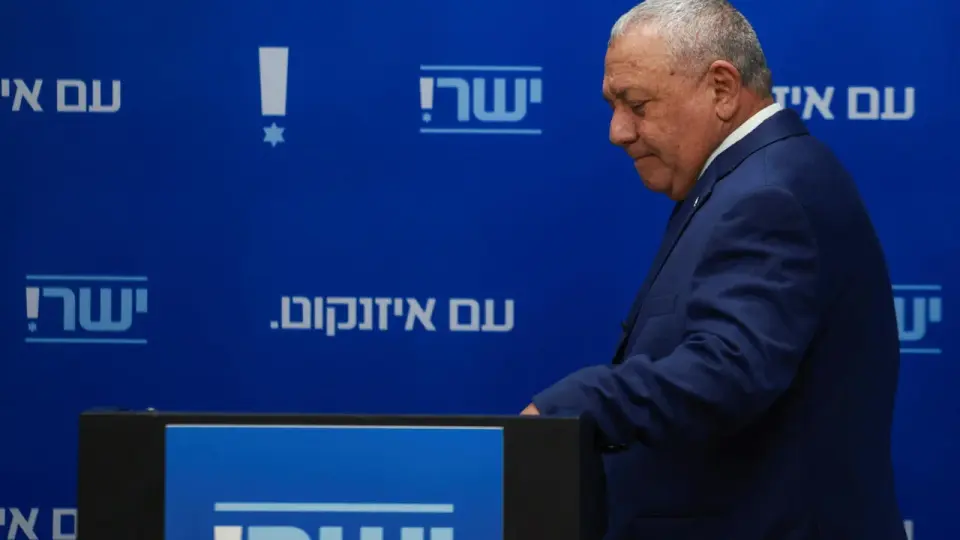
Former Israeli military chief Gadi Eisenkot has signed a coalition agreement with the left-wing Democrats party, marking the second formal deal in his bid to replace Prime Minister Benjamin Netanyahu. However, his bloc remains far short of the 61 seats needed for a majority, and internal disputes over cabinet portfolios and the inclusion of ultra-Orthodox or Arab parties continue to complicate the process.
Key points
- Eisenkot’s Yashar party and the Democrats agreed to a coalition deal on Thursday, with the Democrats receiving four ministries, including an expanded national security portfolio.
- The current anti-Netanyahu bloc holds 36 seats, requiring 25 more to reach the 61-seat majority needed in the 120-seat Knesset.
- Negotiations with the ultra-Orthodox United Torah Judaism (UTJ) are critical; analysts suggest a deal could yield 55 seats, though the inclusion of Arab-led parties remains contentious.
- Netanyahu’s Likud party is simultaneously holding talks with Eisenkot for a unity government, a move Lieberman warns is a stalling tactic to derail the new coalition.
- Eisenkot has until December 6 to form a government, with the option of a 14-day extension if no majority is reached.
Background
The October 2026 election failed to produce a clear majority, leading to caretaker Prime Minister Netanyahu’s continued tenure. Eisenkot’s coalition efforts have been fractured by disputes over ministries and the inclusion of ultra-Orthodox and Arab parties. Previous attempts to form a government collapsed when the Democrats suspended talks over Eisenkot’s unity negotiations with Likud. The current deal with the Democrats is a step toward resolving these divisions, but the path to a majority remains uncertain.
How outlets are covering it
France 24 and The Financial Times emphasize the progress made with the Democrats and the critical need for ultra-Orthodox support. The Times of Israel highlights internal disputes over cabinet portfolios and Netanyahu’s pessimistic outlook, noting that only a 'miracle' will save him. The New York Times focuses on the broader progress toward ousting Netanyahu, while noting the potential inclusion of ultra-Orthodox lawmakers. All sources agree that the coalition is far from complete, but they differ on the likelihood of success, with Lieberman expressing confidence and Netanyahu’s allies expressing doubt.
Why it matters
The formation of a new government could mark a significant shift in Israeli policy, particularly regarding the ultra-Orthodox military draft, the repeal of Netanyahu-era laws, and the potential inclusion of Arab-led parties. The outcome will also affect Israel’s international relations, including its relationship with the United States, and the future of Netanyahu’s corruption trial, which has seen judicial recommendations to drop charges.
What to watch
Eisenkot must secure support from the ultra-Orthodox United Torah Judaism and potentially Arab-led parties to reach a majority. Talks with UTJ are expected to go public soon, with possible approval from rabbinic leaders. If no majority is reached by December 6, Eisenkot may request a 14-day extension. Meanwhile, Netanyahu’s Likud party will continue to explore a unity government, potentially complicating the formation of a new coalition.
- Israel's Eisenkot agrees to coalition deal with left-wing Democrats France 24
- As he races to unseat Netanyahu, Eisenkot reaches deal with left-wing party The Washington Post
- Opposition Makes Progress Toward Ousting Netanyahu, Party Leader Says The New York Times
- Eisenkot bloc said to fight over ministries as PM frets ‘only a miracle’ will save him The Times of Israel
- Israel’s Eisenkot takes steps towards replacing Netanyahu Financial Times
Want the full story? Read the original reporting
Read on France 24