
Eisenkot Secures Opposition Backing as Haredi Parties Hold Coalition Key
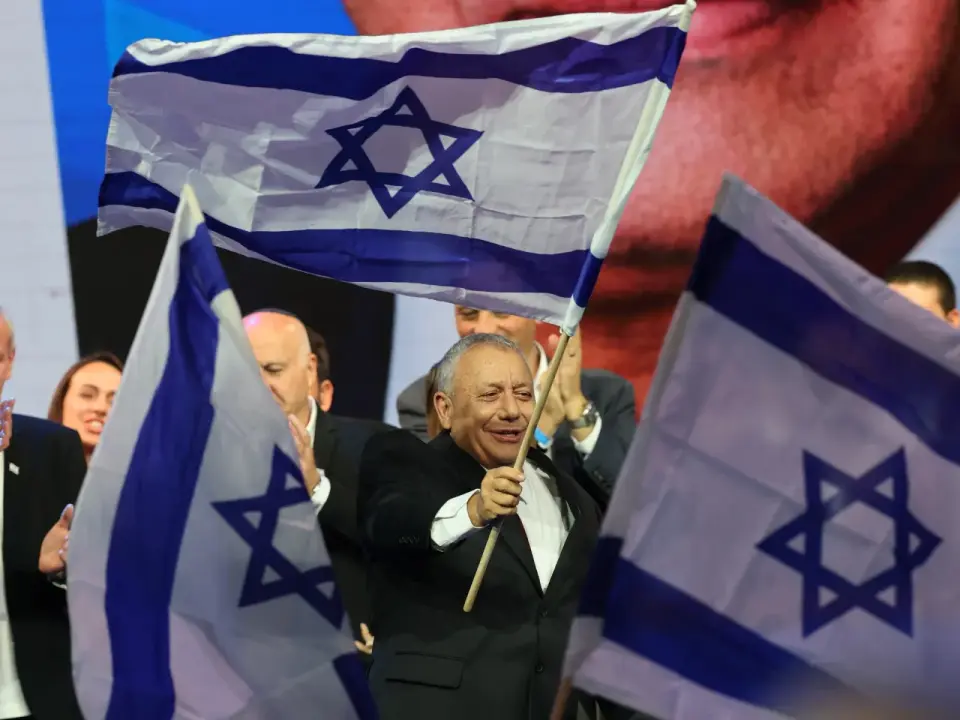
Israeli opposition leaders have united behind Gadi Eisenkot to form a government, aiming to replace Benjamin Netanyahu’s coalition. The bloc holds 48 seats, while Netanyahu’s camp has 53. Arab-led parties, holding 19 seats, are pivotal but face internal opposition bloc resistance. President Isaac Herzog begins consultations on November 4. Haredi parties, whose support is crucial for a majority, are currently withholding recommendations to maximize bargaining power. Netanyahu seeks a 'broad national government' excluding Arab parties, while the opposition debates whether to include them to secure a majority.
Key points
- Opposition leaders, including Naftali Bennett and Yair Lapid, agreed to back Gadi Eisenkot in a joint meeting in Herzliya.
- The opposition bloc holds 48 seats, Netanyahu’s bloc 53, and Arab-led parties 19 in the 120-seat Knesset.
- A majority requires 61 seats, making Arab party support or haredi party inclusion essential for Eisenkot.
- President Isaac Herzog will begin consultations on November 4, with a deadline of November 11 to select a candidate.
- Haredi parties are delaying decisions to leverage their position, potentially blocking both Netanyahu and Eisenkot.
- Netanyahu calls for a government excluding Arab parties, citing their alleged support for terrorism.
Background
This follows the October 27, 2026 election, which resulted in a hung parliament. Previous archive coverage noted that opposition leaders signed a non-aggression pact in September to challenge Netanyahu, despite ideological fractures regarding Arab party inclusion. The current deadlock mirrors past coalition struggles where haredi parties held significant leverage, as seen in previous Israeli governments.
How outlets are covering it
Al Jazeera emphasizes the urgency of forming a 'national emergency government' and highlights the internal opposition split over Arab party inclusion, with Yair Golan supporting it and Avigdor Liberman opposing it. France 24 focuses on the procedural timeline, noting Herzog’s seven-day window to select a candidate and the potential for a second attempt if the first fails. The Jerusalem Post provides a deeper analysis of the haredi parties’ strategic delay, suggesting they may reject an Eisenkot-led government to preserve their leverage, potentially forcing a return to Arab party support or a new election. All sources agree on the seat distribution and the critical role of Arab and haredi parties in breaking the deadlock.
Why it matters
The outcome will determine whether Israel can form a stable government or face another election. The inclusion or exclusion of Arab parties will impact domestic politics and Israel’s relations with its Palestinian citizens. The haredi parties’ leverage could delay government formation, potentially affecting policy on Gaza and regional security. Netanyahu’s trial and ICC warrant add urgency to the political crisis.
What to watch
President Herzog will hold consultations on November 4 and 5. Eisenkot has 28 days to form a coalition if selected. If he fails, the mandate may pass to Netanyahu or a third candidate. Haredi parties are expected to make decisions after their rabbinical leaders return from abroad. The outcome will depend on whether Arab or haredi parties agree to support Eisenkot or if a new election is called.
- Israel’s opposition leaders back Eisenkot to oust Netanyahu Al Jazeera
- Opposition chiefs meet, agree to launch coalition talks, but path remains unclear The Times of Israel
- Opinion | A step-by-step plan for a Jewish-Arab coalition Haaretz
- Israeli opposition unites behind Eisenkot as Netanyahu says voters chose him for PM France 24
- Eisenkot may get the mandate, but haredi parties hold key to Israel's next government - analysis The Jerusalem Post
Want the full story? Read the original reporting
Read on Al Jazeera