
Eisenkot’s Coalition Talks Stall as Netanyahu Pushes Unity, Haredi Talks Advance
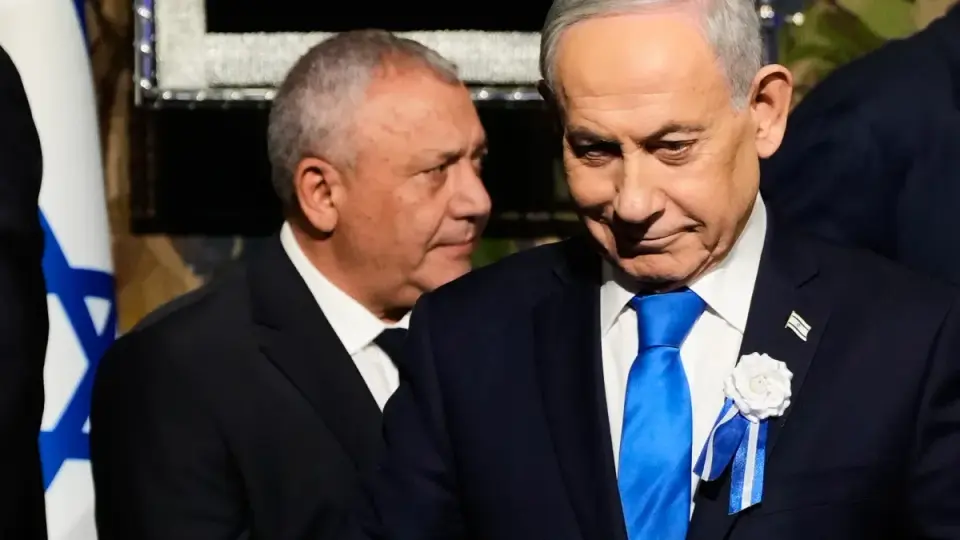
Israel’s caretaker PM Benjamin Netanyahu renewed calls for a unity government with opposition leader Gadi Eisenkot, but Sunday’s talks yielded no progress. Eisenkot’s bloc holds 48 seats, short of the 61 needed for a majority, while Arab-led parties hold 19. Netanyahu’s bloc has 53 seats. Eisenkot has until December 6 to form a government, with a possible 14-day extension. Key obstacles include disagreements over the premiership, ultra-Orthodox military service exemptions, and internal bloc divisions over partnering with Arab parties.
Key points
- Netanyahu and Eisenkot met on Sunday; Likud and Yashar issued a joint statement calling the talks 'businesslike' but reported no substantive progress.
- Eisenkot’s bloc holds 48 seats; adding the 19 Arab-led seats gives 67, a majority. However, Yisrael Beiteinu leader Avigdor Lieberman and Together leader Naftali Bennett oppose relying on Arab parties.
- Netanyahu’s bloc holds 53 seats. He is open to excluding far-right Otzma Yehudit from a unity deal, per some reports, though he publicly insists on including all allies.
- Eisenkot has until December 6 to form a government, with a possible 14-day extension to December 20.
- Parallel talks between Eisenkot’s bloc and ultra-Orthodox United Torah Judaism (UTJ) are reportedly advancing, though UTJ denies significant progress. Shas remains loyal to Netanyahu.
- Eisenkot’s bloc plans to replace Knesset Speaker Amir Ohana on Tuesday, a move Netanyahu opposes.
Background
Following Israel’s October 27, 2026, election, no bloc secured a clear majority. President Isaac Herzog tasked Eisenkot with forming a government after his bloc secured 67 endorsements, including 19 from Arab-led parties. Netanyahu’s bloc holds 53 seats. Previous archive coverage noted internal fractures within Eisenkot’s bloc, particularly over partnerships with Arab parties and ultra-Orthodox military conscription exemptions. The 2026 election resulted in a fragmented parliament, with Arab-led parties achieving a record 19 seats.
How outlets are covering it
Al Jazeera emphasizes Netanyahu’s appeal for a unity government as a national security measure, while Eisenkot dismisses it as a 'bluff.' The Times of Israel reports that Likud sources suggested excluding Otzma Yehudit from a unity deal, a move Netanyahu has not publicly confirmed. Le Monde highlights the Moroccan public’s declining support for Israel-Morocco normalization, linking it to the Gaza war, and notes Eisenkot’s Moroccan heritage. The Jerusalem Post focuses on the procedural aspects of the talks and Eisenkot’s four principles for coalition partners. Outlets disagree on the progress of Haredi talks: The Times of Israel reports significant progress with UTJ, while UTJ denies this. Al Jazeera and The Jerusalem Post note that Lieberman and Bennett oppose partnering with Arab parties, while Democrats leader Yair Golan supports it.
Why it matters
The outcome of these talks will determine whether Israel forms a new government, holds new elections, or remains under a caretaker administration. A unity government could stabilize the country but may fail due to deep trust issues between Netanyahu and Eisenkot. A coalition with ultra-Orthodox parties could pass but faces hurdles over military service exemptions. Failure to form a government could lead to a seventh election in eight years, prolonging political instability. The caretaker status of Netanyahu allows him to influence the legislative agenda and potentially exploit security crises to pressure for a unity deal.
What to watch
Eisenkot must form a government by December 6, with a possible extension to December 20. Key next steps include the Tuesday vote to replace Knesset Speaker Amir Ohana, continued talks with ultra-Orthodox parties, and potential negotiations with Arab-led parties. If Eisenkot fails, the mandate may pass to Netanyahu, or new elections could be called. The outcome will depend on whether Eisenkot can secure support from ultra-Orthodox or Arab parties, or if Netanyahu can block coalition formation.
- Can Netanyahu and Eisenkot form a ‘unity’ government in Israel? Al Jazeera
- No progress reported in Yashar-Likud unity talks; Netanyahu said open to excluding Ben Gvir The Times of Israel
- Gadi Eisenkot, Israeli PM hopeful and 'son of immigrants' born in Casablanca and Marrakech, draws interest in Morocco Le Monde.fr
- What's Behind Netanyahu's Frantic Push for a 'Unity' Government? Haaretz
- Likud, Yashar hold coalition negotiations as Gadi Eisenkot works to build gov't The Jerusalem Post
Want the full story? Read the original reporting
Read on Al Jazeera