
Ukraine's Operation Vivaldi Proves Artillery Remains Critical in Drone-War
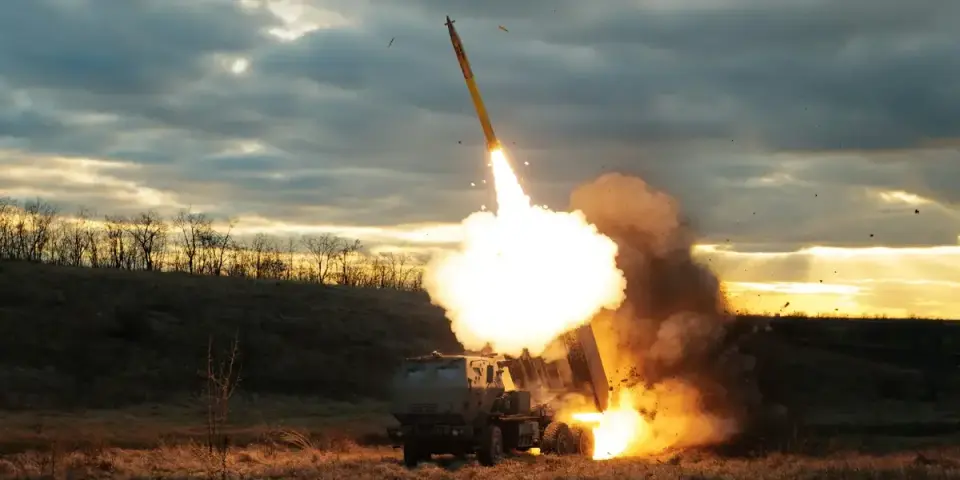
Ukraine's Operation Vivaldi near Lyman has reclaimed 176 square kilometers of territory by combining heavy artillery with drone reconnaissance. While drones identify targets, artillery suppresses Russian reinforcements, proving that traditional firepower remains essential for holding gains in modern warfare.
Key points
- The 3rd Army Corps deployed a massive artillery formation to maintain continuous fire, preventing Russian forces from bringing in reserves or counter-attacking.
- HIMARS strikes destroyed over 20 Russian artillery guns, two air defense systems, and command posts, while drones identified targets for these strikes.
- The operation combined army, special operations, and border guard units under a single command, using ground robots for logistics and casualty evacuation.
- Western analysts note that while drones offer agility, they cannot replace heavy artillery against hardened infrastructure or sustain continuous suppression.
- Ukraine's success contrasts with Russian claims of major gains, as ISW data shows a net Russian loss of 81 square kilometers in September.
Background
Operation Vivaldi, which began in early 2026, was designed to break Russia's pincer movement around the Donetsk fortress belt. Previous archive reports indicate that this operation reversed 18 months of Russian advances toward Sloviansk and Kramatorsk. The conflict has evolved from a war of pure artillery to one dominated by drones, which now account for 95% of Russian front-line losses according to Ukrainian officials. However, the recent success of Vivaldi suggests a hybrid approach is necessary, as drones alone cannot sustain the pressure required to hold territory against entrenched enemies.
How outlets are covering it
Business Insider emphasizes the tactical synergy between drones and artillery, highlighting how the 3rd Army Corps used HIMARS to create 'kill zones' that prevented Russian maneuvering. Kyiv Post focuses on the broader strategic implications, noting that while Vivaldi succeeded, Washington's pressure on Ukraine to stop striking Russian refineries threatens to undermine this momentum by relieving Russia's economic pressure. UNITED24 Media provides a broader battlefield context, noting that while Russian offensives failed elsewhere, Ukraine's gains near Sumy and Lyman demonstrate a shift in momentum. The outlets agree that artillery is indispensable but differ on the political risks facing Ukraine's ability to sustain these gains.
Why it matters
The success of Operation Vivaldi challenges the narrative that drones have rendered traditional artillery obsolete. It demonstrates that a combination of precision strike and sustained suppression is required to hold territory. Furthermore, the operation's success highlights the importance of integrated command structures and robotic logistics, which could influence NATO's future force design and procurement strategies.
What to watch
The operation is described as having four 'seasons,' with the third phase currently underway. Ukraine faces potential pressure from Washington to halt deep strikes on Russian energy infrastructure, which could reduce Russia's ability to fund its war effort. Russia is expected to resume pressure on other axes, such as Pokrovsk, while Ukraine continues to develop new artillery systems and robotic capabilities to maintain its advantage.
- Ukraine's Operation Vivaldi shows why artillery still matters in a drone fight Business Insider
- What Ukraine's Operation Vivaldi Counteroffensive Means for America's Critical Infrastructure Homeland Security Today
- Ukraine’s Summer of Adaptation, and What NATO Should Take From It Kyiv Post
- Kolodiazi, Lypove and Zelena Dolyna in Donetsk Oblast have been liberated, - DeepState Цензор.НЕТ
- Ukraine Gains Ground Near Sumy as Russian Offensives Fail to Break Through Elsewhere UNITED24 Media
Want the full story? Read the original reporting
Read on Business Insider