
EU prosecutors open fraud probe into Spain’s rail safety upgrades after Urda disaster
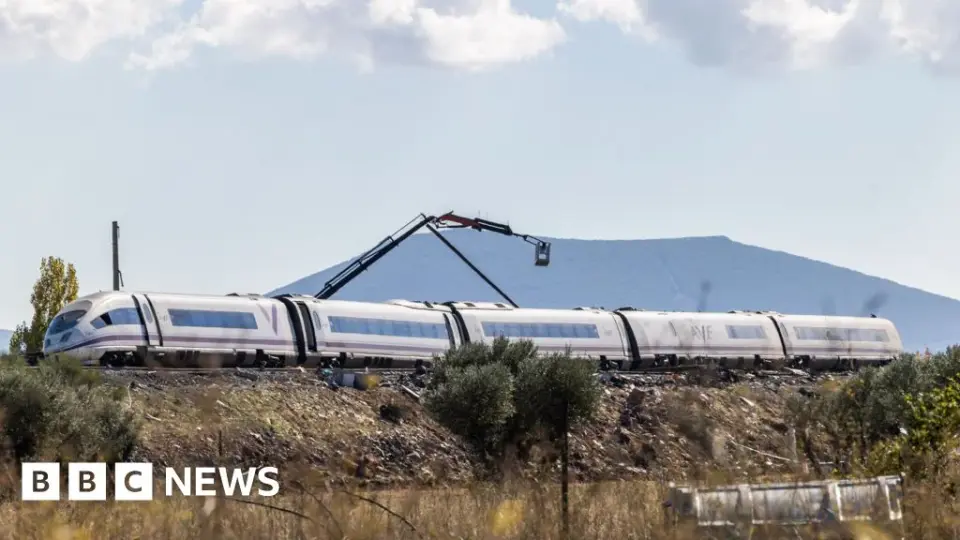
The European Public Prosecutor’s Office has launched an investigation into potential misuse of EU funds allocated for upgrading safety and signaling systems on Spain’s Madrid-Seville high-speed line. This inquiry follows the October 28 crash near Urda that killed 69 people, marking the second major rail disaster on the same route this year. The probe targets Adif, the national rail infrastructure authority, and the AESF safety agency, with operations conducted alongside Spain’s Guardia Civil. The incident has intensified political pressure on Prime Minister Pedro Sánchez ahead of the November 29 general election, leading to the resignation of Transport Minister Óscar Puente and widespread public distrust in the rail network.
Key points
- EU prosecutors are investigating possible fraud involving funds meant for renovating safety, signaling, and communication systems on the Madrid-Seville high-speed line.
- The inquiry is being conducted at the offices of Adif and the AESF rail safety agency, with support from a special unit of Spain’s Guardia Civil.
- The October 28 crash near Urda killed 69 people when a moving Renfe train struck a stationary Iryo train after a communication system failure.
- This is the second EU fraud probe into Spanish railways this year, following the January Adamuz disaster that killed 46 people on the same line.
- Transport Minister Óscar Puente resigned this week, and his successor Carlos Cuerpo has pledged to restore public confidence in high-speed rail.
- A funeral for the 69 victims is scheduled for Tuesday at Toledo cathedral, while opposition parties demand the resignation of Prime Minister Pedro Sánchez.
Background
The Urda disaster is the second major rail tragedy on the Madrid-Seville line in 2026, following the January Adamuz crash that killed 46 people. Previous coverage noted that the October incident killed 69 people, including citizens from the US, Canada, and Japan, and injured over 100. The crash occurred when a moving Renfe train struck a stationary Iryo train due to a failure in the LZB communication system. The incident has intensified scrutiny of Spain’s rail safety infrastructure and maintenance spending, particularly as it occurred one month before a general election. King Felipe VI and Queen Letizia previously observed three days of national mourning and visited injured victims in Toledo.
Why it matters
The EU fraud probe signals a potential systemic failure in the management of critical infrastructure funding, moving the issue beyond a single accident to a question of institutional integrity. With 115 lives lost on the same line in nine months, the investigation threatens to undermine public trust in Spain’s high-speed rail network and could significantly impact the political standing of the ruling Socialist party ahead of the November 29 election. The resignation of the transport minister and demands for the prime minister’s resignation highlight the severe political fallout from these safety failures.
What to watch
A Spanish judge assigned to the case will oversee legal safeguards for the investigation, potentially authorizing house searches or phone tapping. A funeral for the 69 victims will take place on Tuesday at Toledo cathedral. Carlos Cuerpo, the new transport minister, has met with survivors of the January Adamuz disaster, who presented him with a list of 11 demands for safety improvements. The general election is scheduled for November 29, where the ruling party is currently trailing the conservative People's Party in opinion polls.
Want the full story? Read the original reporting
Read on BBC