
Kushner’s Business-First Diplomacy Sparks ‘Malpractice’ Criticism
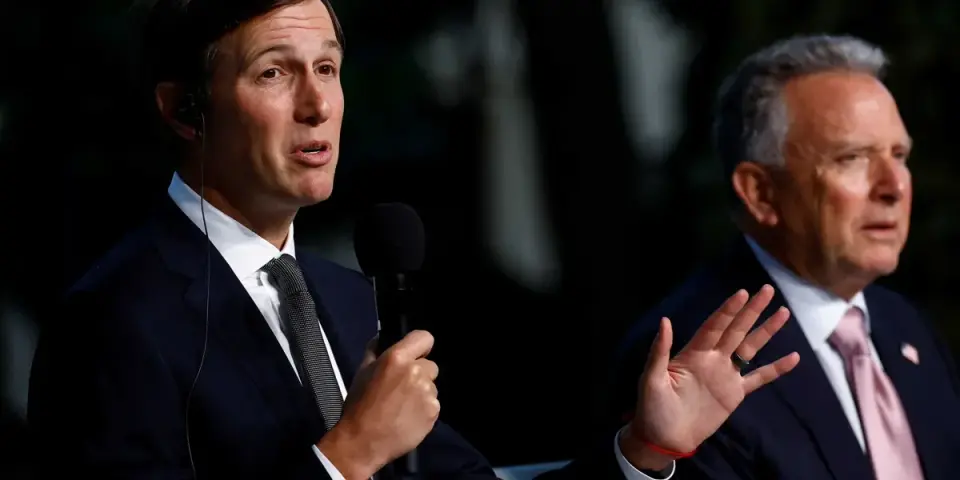
A former White House official described the Trump administration’s foreign policy approach as 'total malpractice,' citing a lack of technical expertise in high-stakes negotiations. This criticism aligns with a detailed investigation by The New Yorker, which argues that Jared Kushner’s integration of private business interests with state diplomacy has blurred the lines between public policy and personal profit. While Kushner advocates for a 'win-win' business model in peace deals, critics note that his investment fund, Affinity Partners, relies heavily on capital from Gulf states involved in the very conflicts he negotiates.
Key points
- Former officials claim Kushner and Steve Witkoff treated the Russia-Ukraine war like a real estate deal, lacking understanding of military realities.
- The New Yorker reports that U.S. negotiators lacked technical experts during pre-war talks with Iran, leading to a hasty military strike.
- Kushner’s private fund, Affinity Partners, received $2 billion from Saudi Arabia and $1.5 billion from Qatar and the UAE, raising conflict-of-interest concerns.
- The White House denies conflicts of interest, stating Kushner volunteers his time without a salary, though ethics experts disagree.
Background
This development follows a broader pattern of criticism regarding the Trump administration’s handling of international affairs, including previous controversies over media independence and military strategy in the Middle East. The current scrutiny focuses on the structural integration of private wealth into state diplomacy, a shift from traditional bureaucratic processes.
How outlets are covering it
AlterNet highlights the emotional reaction of former officials, using the term 'total malpractice' to describe the administration’s lack of competence. In contrast, The New Yorker provides a structural analysis, detailing specific failures in Ukraine and Iran negotiations and linking them to Kushner’s financial incentives. While AlterNet focuses on the perceived incompetence, The New Yorker emphasizes the systemic conflict of interest between Kushner’s private fund and his diplomatic role. Both sources agree that traditional diplomatic expertise was sidelined in favor of business-style bargaining, but they differ in their emphasis on the financial motivations behind these decisions.
Why it matters
The merging of private investment interests with national security policy risks compromising U.S. foreign policy objectives. If key negotiators are financially incentivized by the very nations they are negotiating with, it could lead to concessions that benefit private funds at the expense of national security or international stability. This model challenges the traditional separation between state and private interests in global affairs.
What to watch
Congressional investigations may continue to scrutinize the financial flows between Gulf states and Affinity Partners. The White House is expected to maintain its stance that Kushner’s unpaid status negates conflict-of-interest claims, while critics will likely push for stricter ethical guidelines for informal diplomats. The outcome of ongoing peace negotiations in Ukraine and the Middle East will serve as a test of this new diplomatic model.
- Former White House official 'aghast' at Trump advisors’ 'total malpractice' Alternet
- Jared Kushner’s Dollar Diplomacy The New Yorker
- How Kushner And Witkoff, Dimbulb Diplomats, Failed Utterly In Iran Talks National Memo
- Kushner's Affinity Partners raises $5B from Gulf investors amid diplomatic role Dealroom
- Kushner Combines Negotiations on Ukraine with a Billion-Dollar Business — The New Yorker UA.NEWS
Want the full story? Read the original reporting
Read on Alternet