
Russian anti-war figure Nadezhdin flees to Paris after Kremlin blocks parliamentary bid
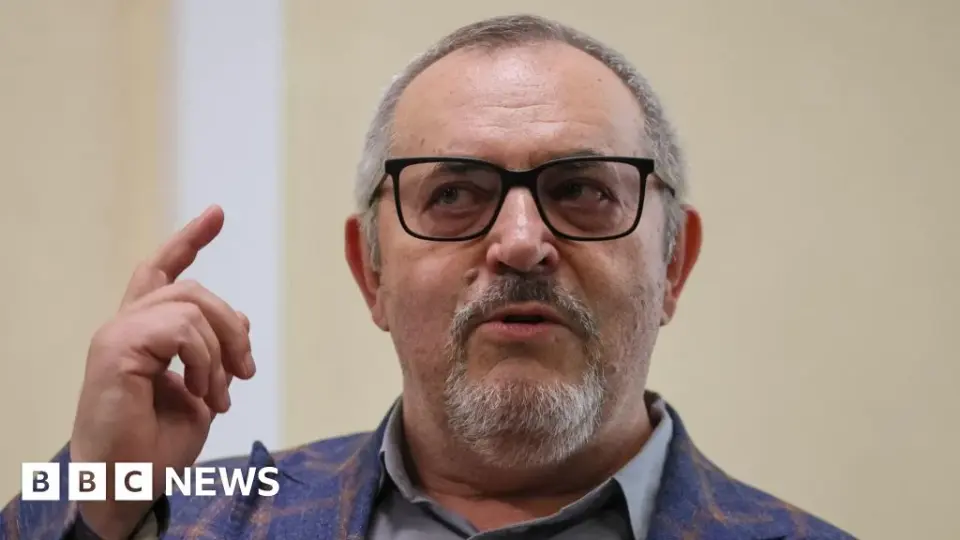
Boris Nadezhdin, a prominent Russian anti-war politician, has fled to Paris after being barred from running in September’s parliamentary elections. The 63-year-old was designated a 'foreign agent' and fined for displaying 'extremist symbols,' moves that effectively ended his candidacy. His departure marks the latest in a series of crackdowns on dissent ahead of the vote, leaving him as one of the few high-profile critics of the war in Ukraine to leave the country.
Key points
- Nadezhdin posted a video from the Eiffel Tower in Paris, stating he is 'alive and free' but not in Russia.
- He was designated a 'foreign agent' by the justice ministry last month, a label that prevents him from running in elections.
- A court fined him approximately $13 for displaying 'extremist symbols,' referencing a brief image of Alexei Navalny in a 2023 video.
- Nadezhdin previously attempted to run for president in 2024 but was barred after electoral authorities ruled his signatures flawed.
- The Kremlin is tightening control over the September Duma elections, which are expected to be tightly managed by the ruling United Russia party.
Background
Nadezhdin had been under increasing pressure since July 2026, when he was fined and designated a foreign agent, effectively blocking his parliamentary run. This followed a 2024 presidential bid where he was barred due to signature issues. His flight occurs amid a broader crackdown on dissent in Russia, including the detention of other critics like Ilya Remeslo, and growing public fatigue with the war in Ukraine, as noted in earlier reports on anti-war sentiment surging after drone strikes on Moscow.
How outlets are covering it
BBC and The Washington Post emphasize Nadezhdin’s flight as a direct result of the Kremlin’s pre-election crackdown, highlighting the 'foreign agent' designation and the 'extremist symbols' charge as key barriers. The Guardian frames his departure as part of a broader pattern of suppressing dissent before the September Duma elections, noting that the vote is expected to be tightly controlled by the Kremlin. AP News adds that Nadezhdin was one of the few high-profile Putin critics still living in Russia, underscoring the significance of his exit. All sources agree that his departure reflects the intensifying repression of opposition figures in Russia, though they differ slightly in emphasis: BBC and WaPo focus on the immediate legal barriers, while The Guardian and AP highlight the broader political context and the lack of genuine opposition in the upcoming elections.
Why it matters
Nadezhdin’s flight underscores the Kremlin’s tightening grip on political dissent ahead of the September parliamentary elections. His case illustrates how legal mechanisms like the 'foreign agent' label and 'extremist symbols' charges are used to neutralize opposition figures, even those who previously attempted to run in elections. This move further consolidates the ruling United Russia party’s dominance in the Duma and signals that even token opposition is no longer tolerated, particularly as public fatigue with the war in Ukraine grows. It also marks a significant loss for the anti-war movement in Russia, as Nadezhdin was one of the few prominent critics still active within the country.
What to watch
Nadezhdin has said he needs to 'figure out what to do next' and will share his plans later. The Kremlin is expected to continue its crackdown on dissent ahead of the September Duma elections, which are likely to be tightly controlled by the ruling United Russia party. The next presidential election is scheduled for 2030, but constitutional amendments allow Putin to remain in power until 2036. Meanwhile, the broader crackdown on dissent, including the detention of other critics, is likely to continue as the government seeks to suppress any opposition to the war in Ukraine and its economic policies.
- Russian anti-war politician Boris Nadezhdin says he has fled the country BBC
- Anti-war politician flees Russia amid pre-election crackdown on dissent theguardian.com
- A Putin critic leaves Russia after he is barred him from running for parliament AP News
- Boris Nadezhdin, anti-war candidate in Russia, flees to France The Washington Post
- Anti-war politician Boris Nadezhdin says he is now outside Russia Reuters
Want the full story? Read the original reporting
Read on BBC