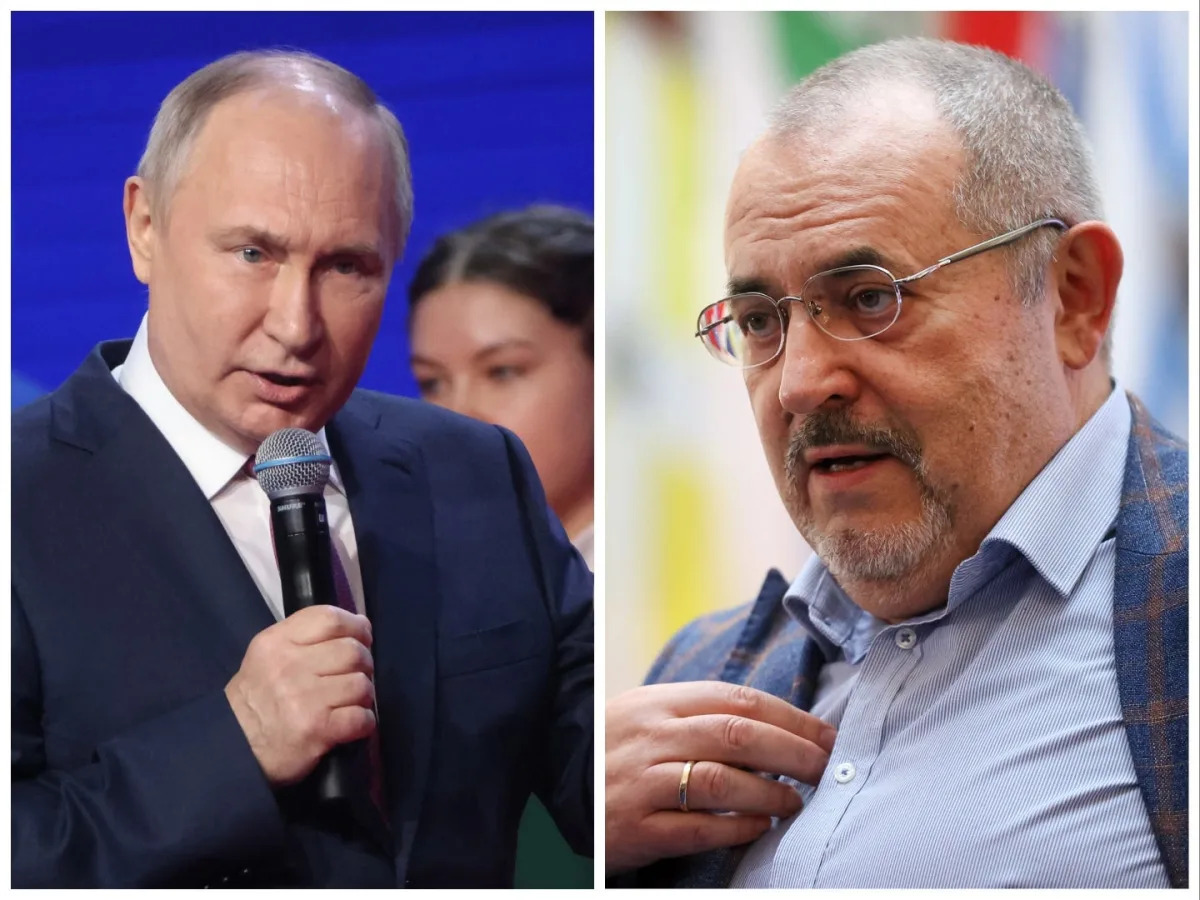
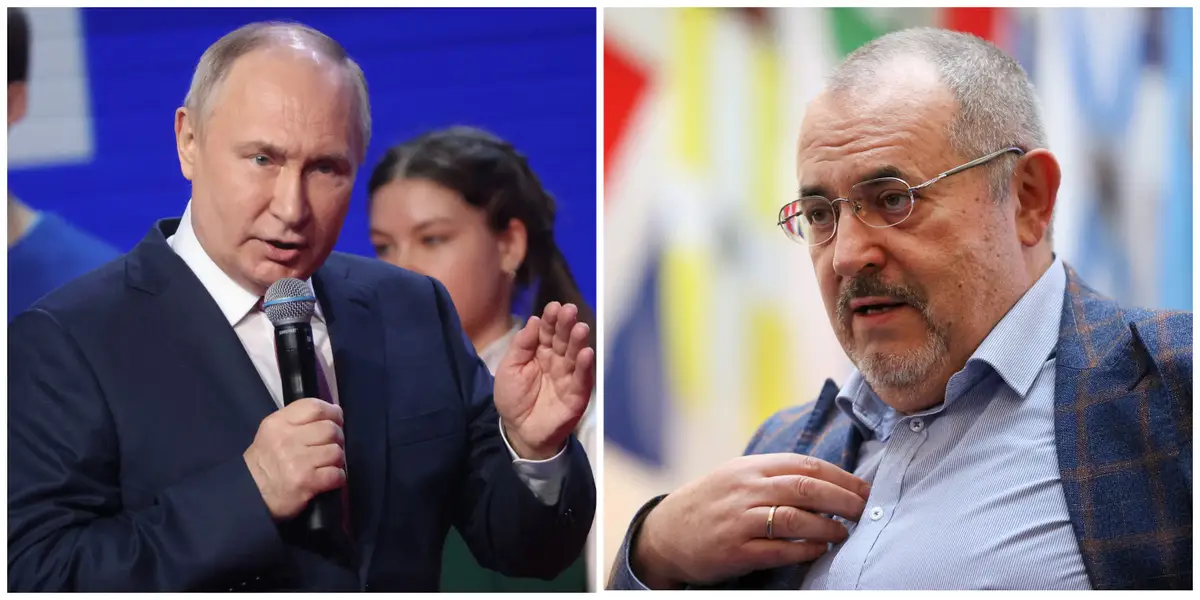
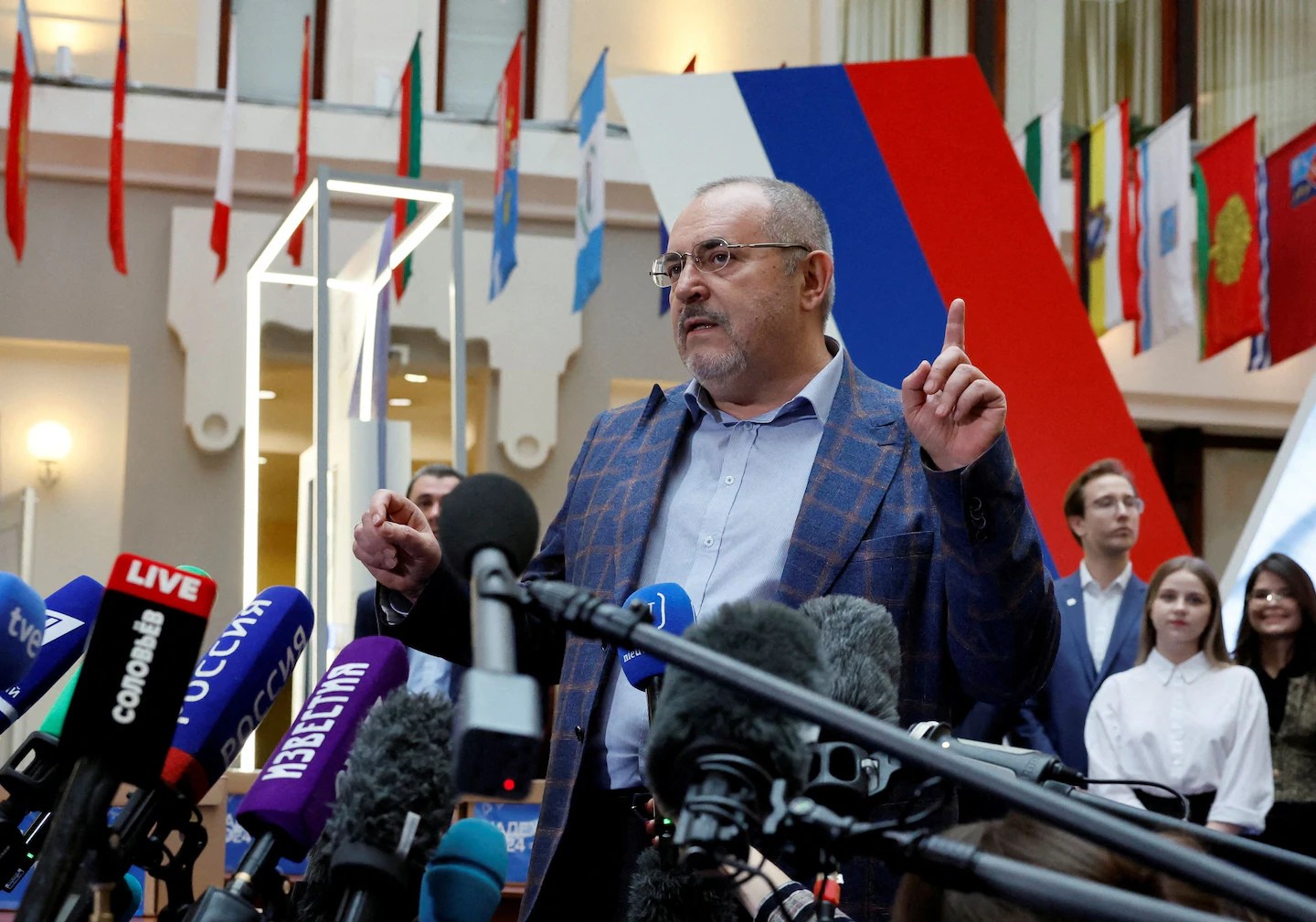
A gun rampage in Russian-occupied Crimea left four dead, while Russian anti-war politician Boris Nadezhdin fled the country and posted a video from the Eiffel Tower about 18 hours ago.
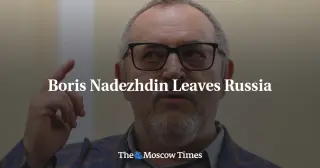
Opposition figure Boris Nadezhdin says he has left Russia amid government pressure that forced him to suspend his bid for September parliamentary elections; in a Paris video, he says he’s alive and free but not yet back home, after being fined for extremist symbols and branded a foreign agent. The departure details are unclear; he plans to reassess his future while avoiding imprisonment. Nadezhdin rose on a 2024 pro-peace bid and has held various political roles, but is now outside Russia due to authorities’ pressure.
A jailed blogger-turned-critic, Ilya Remeslo, was detained in St. Petersburg on charges of spreading false information about the armed forces and faces up to 10 years, with a hearing to determine pretrial restrictions; at the same time, opposition figure Boris Nadezhdin was tried in Moscow, fined 1,000 rubles, and released after being designated a foreign agent, a move that blocks him from running in September elections—signaling intensified repression of dissent ahead of the vote.
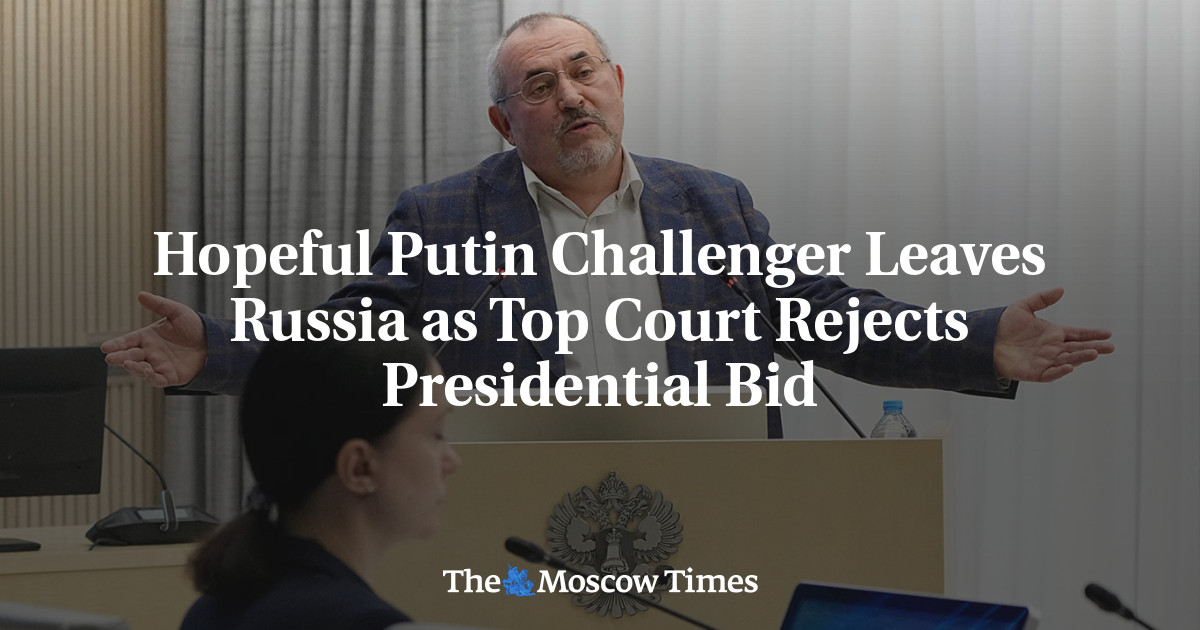
Pro-peace presidential hopeful Boris Nadezhdin leaves Russia for a vacation as the Supreme Court upholds the decision to bar him from running in the upcoming election, despite his team's efforts to challenge the disqualification. Nadezhdin plans to appeal the ruling and has expressed determination to fulfill the aspirations of the late Kremlin critic Alexei Navalny. The Central Election Commission cited "irregularities" in the signatures Nadezhdin submitted, while his team argued that the alleged errors were minor typos.
Boris Nadezhdin, the last liberal potential candidate for the Russian presidential election, was rejected by the Central Electoral Commission, leaving only four candidates, all representing parliamentary parties, to run against Vladimir Putin. Despite Nadezhdin's uninspiring leadership, his failed candidacy unexpectedly rallied Russian liberals, prompting them to show support and hope for change. This grassroots movement challenged Putin's administration and brought liberals out of isolation, demonstrating the impact of Nadezhdin's candidacy on Russian society.
Russia's election commission has rejected Boris Nadezhdin, an anti-war challenger, as a candidate in the upcoming presidential vote, citing flaws in the signatures he submitted with his candidate application. Nadezhdin, who has been critical of Putin's war in Ukraine, has vowed to challenge the decision in Russia's Supreme Court. The commission's decision leaves only candidates viewed as acceptable to the Kremlin running in the election, with Vladimir Putin facing three other candidates.
Boris Nadezhdin, a critic of the Ukraine war, has been blocked from running in Russia's presidential election in March, with the election commission citing flaws in 15% of the signatures he submitted. Nadezhdin plans to challenge this decision in the Supreme Court. He has garnered attention for his antiwar stance and vows to unseat incumbent Vladimir Putin, who is expected to win re-election. Putin, who has not allowed real electoral opposition during his rule, is running as an independent and has already collected over 3.5 million signatures in support of his candidacy.
Russian presidential challenger Boris Nadezhdin, a critic of Vladimir Putin and the war in Ukraine, has been banned from standing in the upcoming election next month. The Central Election Commission claimed to have found flaws in the signatures collected in support of his candidacy, leading to his disqualification. Nadezhdin plans to appeal the decision, stating that participating in the election is the most important political decision of his life. The ban is seen as part of a broader crackdown on dissent in Russia, with other prominent critics, such as Alexei Navalny, also facing repression.
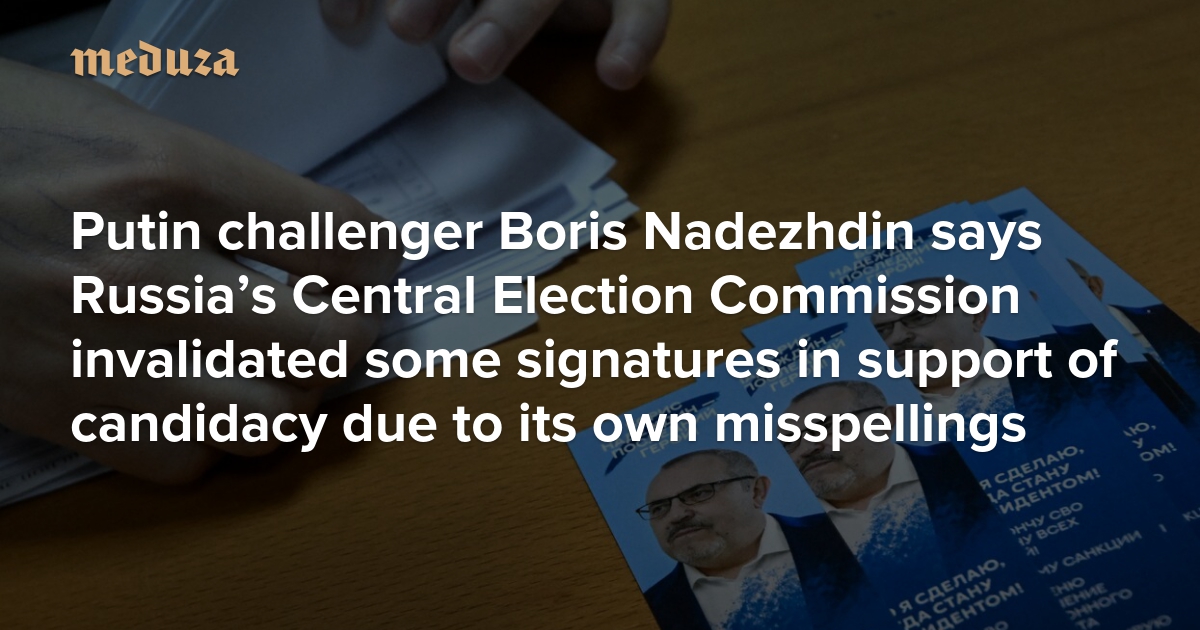
Boris Nadezhdin, a challenger to Putin in Russia's presidential election, claims that the Central Election Commission invalidated signatures in support of his candidacy due to its own misspellings during the digitization process, including errors in addresses and names. The CEC rejected over 9,000 of his signatures, prompting Nadezhdin to fight to have a share of them declared valid. Independent journalists suggest his campaign workers may have sabotaged his ballot registration, but supporters dismiss this as a hired hit job.
Russian officials are likely to bar the only anti-war candidate, Boris Nadezhdin, from running in the upcoming presidential election, as they fear he may take too many votes from President Vladimir Putin. Election officials rejected a significant number of signatures Nadezhdin needed to qualify, prompting his campaign to appeal the decision. Nadezhdin's unexpected popularity and potential to cast a negative light on Putin and the war in Ukraine may have led to the move to bar him from the ballot, raising concerns about election manipulation and the Kremlin's control over the process.
Russian officials are considering barring the only anti-war candidate, Boris Nadezhdin, from running in the upcoming presidential election, potentially due to concerns that he could siphon votes from President Vladimir Putin. Despite gathering 180,000 signatures, a significant portion were rejected, prompting Nadezhdin to appeal the decision. Critics argue that the move reflects the Kremlin's efforts to control the election and maintain Putin's dominance, while the ongoing war in Ukraine continues to shape the political landscape.
Russian presidential challenger Boris Nadezhdin has gained unexpected prominence, prompting concerns within the Kremlin about his potential impact on the upcoming election. The Institute for the Study of War (ISW) suggests that the Kremlin may not allow Nadezhdin to run due to fears that he could reduce Putin's margin of victory. The Central Election Commission (CEC) has cited a 15 percent error rate in the signatures collected by Nadezhdin's campaign, potentially jeopardizing his candidacy. Nadezhdin, the only candidate openly opposing Putin and the war in Ukraine, plans to contest the findings. The situation reflects the ongoing political tensions and manipulation surrounding Russia's presidential elections.
Russian electoral authorities are likely to bar the only remaining antiwar candidate, Boris Nadezhdin, from the presidential election, alleging irregularities in his attempt to register as a candidate. Nadezhdin, an antiwar physicist and politician, gathered 180,000 signatures but had over 15% rejected, exceeding the 5% limit for disqualification. This move signals the Kremlin's wariness of any avenue for Russians to express opposition to the increasingly unpopular war, further undermining the legitimacy of the election. Nadezhdin vows to fight back, but analysts and Kremlin critics believe his rejection is certain, reflecting Russia's shift to a repressive state where dissent is crushed and democratic standards are breached.
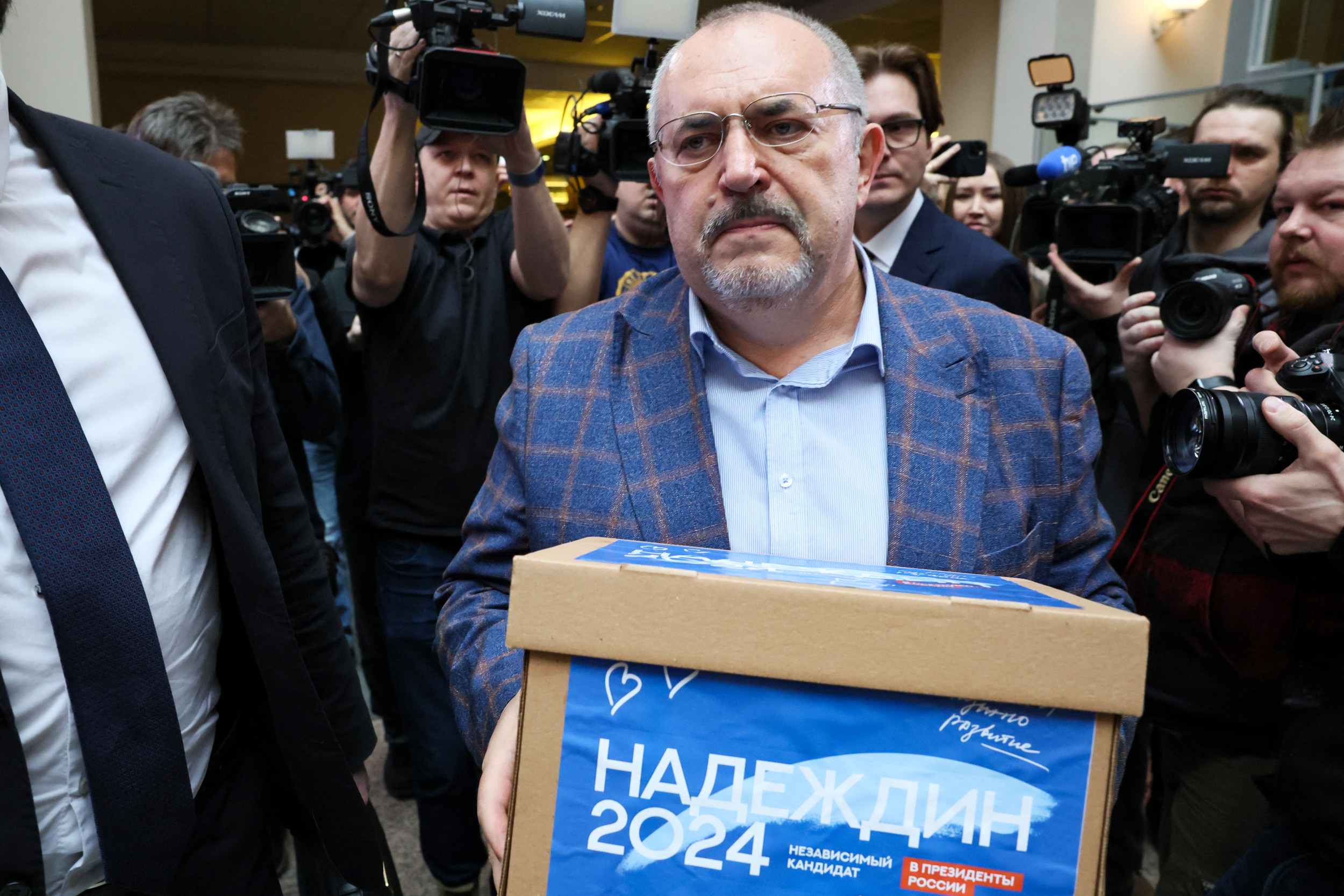
Campaign workers for Boris Nadezhdin, Russia’s only anti-war candidate, are accused of sabotaging his ballot registration by adding thousands of bogus signatures, leading to bitter recriminations within the Russian opposition. Supporters deny the allegations, claiming misrepresentation and a plot to undermine Nadezhdin’s candidacy prospects. Nadezhdin faces a challenge in convincing election officials to uphold at least 4,500 of the 9,209 “bad signatures” flagged by officials, with a deadline of February 7 to persuade the Central Election Commission to reconsider.
Russia’s Central Election Commission has rejected 15 percent of the signatures submitted by presidential hopeful Boris Nadezhdin, with his campaign headquarters stating that they have a 15.348% invalidity rate. Nadezhdin plans to fight to get some of the rejected signatures declared valid, needing to recover about 4,500 out of 9,209. If the CEC refuses to register him, Nadezhdin intends to appeal the decision to the Russian Supreme Court, with an official decision on his candidacy expected on February 7.