
France Blames Far-Left for Riots, but Fiscal Crisis and Election Politics Fuel the Divide
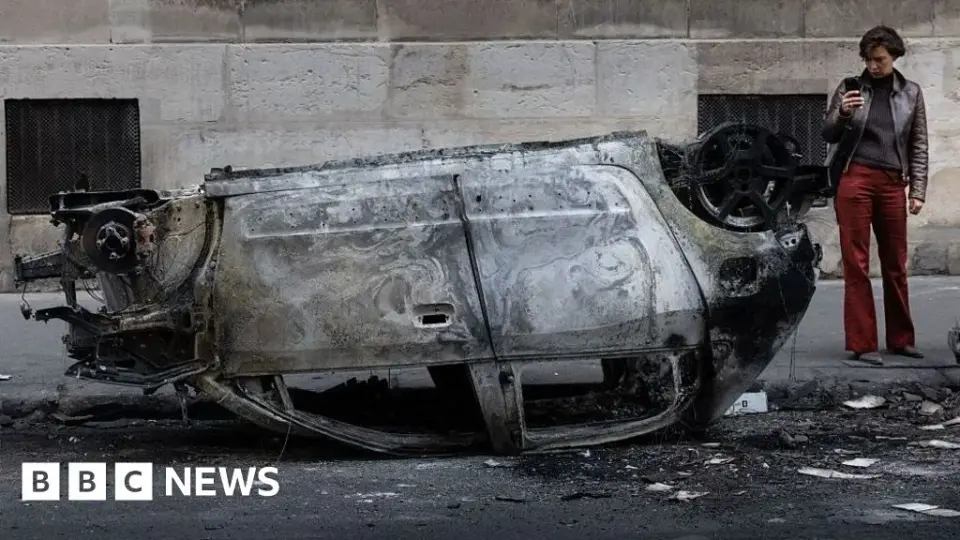
France remains polarized over the October 17 riots, with the government blaming far-left groups for orchestrating violence, while critics argue the unrest stems from deep economic anxiety and student grievances. The chaos has intensified the 2027 presidential race, with Marine Le Pen gaining support by framing the events as a failure of state control, while the government faces scrutiny over policing failures and spiraling public debt.
Key points
- Prime Minister Sébastien Lecornu and Interior Minister Laurent Nuñez accused 'hard left' groups, including La France Insoumise (LFI), of weaponizing student protests to create chaos ahead of the 2027 election.
- LFI leader Jean-Luc Mélenchon denied involvement, stating that student anger is grassroots-driven, while accusing the government of incompetence or using the violence to position itself as a 'party of order.'
- Marine Le Pen, currently leading in polls, launched a formal video address blaming Mélenchon and the Macron government for 'powerlessness,' framing the riots as a result of failed policies.
- French intelligence reports suggest far-left groups manipulated student unions, but much of the looting appears opportunistic, with over 3,000 shops targeted and looters quickly selling goods online.
- The unrest highlights a broader fiscal crisis, with France’s public debt at 119% of GDP and a 5.4% budget deficit, exacerbating public dissatisfaction with democracy and traditional political parties.
Background
The riots followed weeks of student protests over education funding and high living costs, escalating into nationwide violence on October 17. Previous coverage noted over 2,400 arrests, hundreds of millions in damages, and curfews in major cities. The unrest mirrors broader European protests in Belgium, Italy, and Portugal, driven by cost-of-living concerns and distrust in institutions.
How outlets are covering it
BBC and CNN emphasize the political exploitation of the riots, with Le Pen and Mélenchon using the events for electoral gain. BBC highlights the divide between opportunistic looting and organized far-left violence, while CNN focuses on the underlying fiscal crisis, comparing France’s debt burden to the US. French officials blame the far-left, while student unions and residents argue the violence stems from systemic neglect and economic despair. US leaders, including Trump and Vance, have blamed immigration, a narrative rejected by French analysts who point to domestic economic stagnation.
Why it matters
The riots expose deep fractures in French society, linking immediate violence to long-term economic instability and political fragmentation. As the 2027 election nears, the crisis could shift power to far-right or far-left candidates, while the fiscal strain threatens broader European stability. The events also reflect a global trend of youth-led protests driven by housing costs, climate anxiety, and distrust in democratic institutions.
What to watch
A parliamentary inquiry into the riots’ organization is proposed, and police are reviewing CCTV and social media to identify looters. The government faces pressure to address policing failures and fiscal deficits, while the 2027 presidential race intensifies, with Le Pen and Mélenchon vying for the lead. Economists warn that France’s debt trajectory could trigger a broader European crisis if not addressed.
- France is divided over who to blame for and what to learn from weekend riots BBC
- What’s Behind the Protests in France and What Happens Next WSJ
- Photos: On Paris streets touched by unrest, everyday life finds its rhythm again NOLA.com
- France’s crisis sounds familiar. Is America next? CNN
- How France’s worst rioting in years erupted and how the government responded AP News
Want the full story? Read the original reporting
Read on BBC