
French High School Protests Turn Violent as 440 Detained Amid Budget Strikes
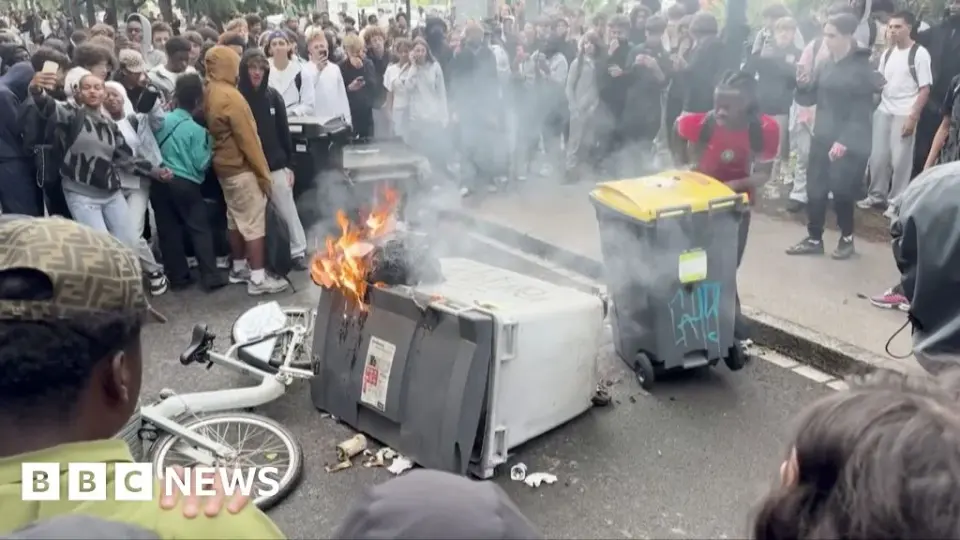
More than 440 people, mostly minors, were detained on Tuesday as student protests in France escalated into violent clashes across 400 schools. The unrest, sparked by overcrowded classes and teacher shortages, coincided with nationwide union strikes against the government’s budget. While the interior minister defended police tactics as proportionate, student unions and left-wing politicians condemned the response as excessive repression.
Key points
- Interior Minister Laurent Nuñez reported 440 detentions and 48 injured law enforcement officers during Tuesday’s nationwide school blockades.
- Protests began in the Île-de-France region last week and spread to cities including Lille, Lyon, Bordeaux, and Marseille, with some turning violent.
- Students are protesting overcrowded classrooms (up to 35 pupils), teacher shortages, and exhausting timetables, while public sector workers strike over a €54 billion budget cut plan.
- Prime Minister Sébastien Lecornu condemned the violence as 'irresponsible,' while left-wing leader Jean-Luc Mélenchon accused the government of a 'racist undertone' in its crackdown.
- The education ministry confirmed 400 of France’s 3,700 lycées were affected, with some students and teachers physically shielding protesters from police batons.
Background
The current unrest follows a pattern of growing discontent in French secondary education, which had already been highlighted by poor infrastructure exposed during June heatwaves. This latest wave of protests coincides with a broader public sector strike against the 2027 budget, which includes a fourth consecutive pay freeze for state employees. The political climate is tense ahead of the 2027 presidential election, with the government facing a divided parliament and rising household costs.
How outlets are covering it
BBC and Al Jazeera focus on the scale of the unrest and the specific grievances of students, such as overcrowded classes and long school days. The Guardian and RFI emphasize the political dimension, highlighting the clash between the government and the hard-left France Unbowed party, with Mélenchon accusing the state of racism. RFI also notes the government's characterization of the events as 'urban violence' rather than legitimate protest, while student unions like the Union Syndicale Lycéenne argue the police response was 'institutionalized repression.'
Why it matters
The protests highlight deepening tensions between the French government and its youth, as well as the broader public sector, over budget cuts and educational resources. The violent clashes and political accusations of racism could further polarize the country ahead of the 2027 presidential election, where younger voters are seen as a key demographic for the left-wing opposition.
What to watch
The government is expected to unveil the 2027 budget on Thursday, which may further inflame tensions. The student union has called for continued peaceful blockades, while the government has warned against further escalation. The political fallout from the clashes could influence the upcoming presidential election, with both sides vying for the support of younger voters.
- France school students blockade hundreds of schools in protests BBC
- Hundreds detained as student protests across France turn violent The Guardian
- Dozens injured in French student protests over school resources reuters.com
- What’s behind French student protests that turned violent? Al Jazeera
- French PM warns against student violence as public sector strike kicks off RFI
Want the full story? Read the original reporting
Read on BBC