
Green Leader Proposes Democratic Overhaul After Zionism Vote and By-Election Loss
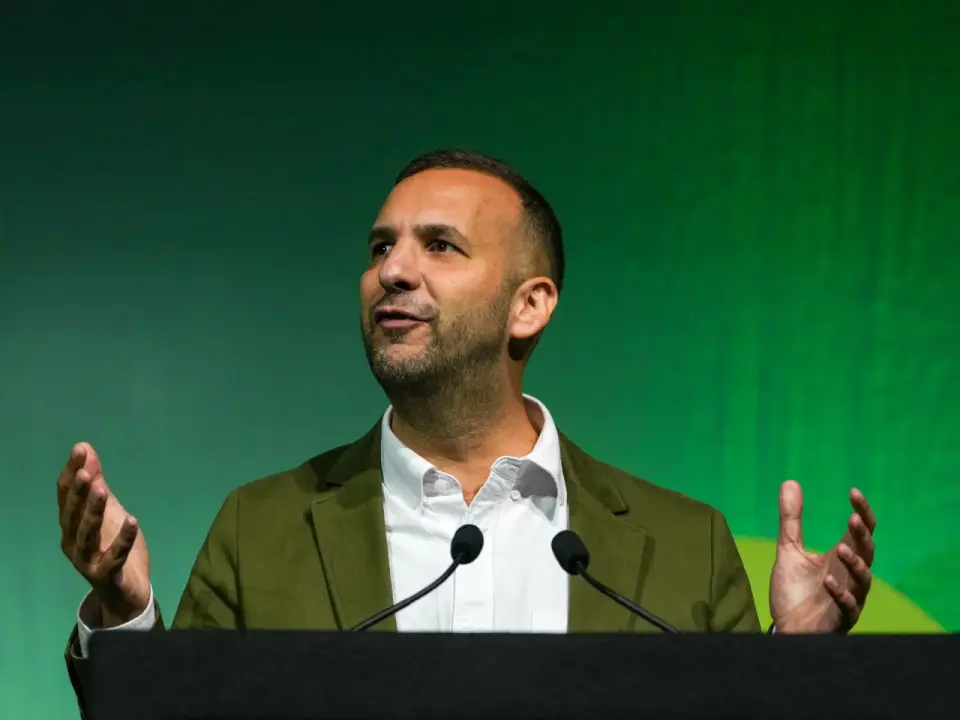
UK Green Party leader Zack Polanski has called for a major reform of the party's decision-making processes, arguing that leaders need more control over strategy after a divisive vote declared Zionism a form of racism. This move follows his defeat in the Holborn and St Pancras by-election, where Labour secured the seat vacated by former PM Keir Starmer. While Polanski supports the motion's core criticism of Israel, he opposes its call for a single Palestinian state and questions whether parties should define members' beliefs. The controversy has sparked internal rifts, with four of five Green MPs opposing the motion, and external condemnation from Jewish groups and European allies. Polanski has vowed to remain leader despite criticism for his absence during the vote.
Key points
- Zack Polanski proposed in The Guardian that the Green Party's democracy must evolve to give leaders more responsibility for strategic direction, citing rapid membership growth.
- The party passed a motion on October 4 declaring Zionism racism and supporting a single Palestinian state, with 1,022 votes to 813, representing only 0.4% of the 230,000 total members.
- Polanski lost the Holborn and St Pancras by-election to Labour candidate Sagal Abdi-Wali, who won 45% of the vote compared to Polanski's 33%, though the Green vote share rose by 22 percentage points since 2024.
- Polanski admitted he missed the conference vote to campaign in the by-election, acknowledging that some members feel 'let down' by his decision.
- The motion was opposed by four of the party's five MPs and criticized by the European Green Party, Jewish groups, and the Board of Deputies of British Jews.
Background
This crisis follows the Green Party's adoption of the 'Zionism is racism' policy on October 4, which triggered an Israeli ban on Polanski and international condemnation. Previous coverage noted that Scottish Green leader Ross Greer endorsed the policy, deepening internal divisions, while Polanski previously defied calls to resign despite his by-election loss. The party's rapid growth under Polanski, who took over in September 2025, has strained its traditional grassroots democratic structures, with senior figures like Ellie Chowns and Caroline Lucas warning of vulnerability to 'entryism' and extremist capture.
How outlets are covering it
Al Jazeera and The Guardian report that Polanski is pushing for structural reforms to centralize strategic direction, arguing the current system allows a small minority to dictate policy. The Guardian notes Polanski's nuanced stance: he agrees with the motion's substance regarding Zionism as an ideology underpinning Palestinian displacement but opposes the single-state clause and the idea of a party defining beliefs. The BBC highlights the internal split, with Westminster leader Ellie Chowns calling the motion 'damaging' and former leader Caroline Lucas criticizing the outdated constitution. In contrast, The Jerusalem Post frames the vote as a shift in the 'Overton window,' arguing it normalizes antisemitic propositions and creates an atmosphere of permission for hate, citing recent violent attacks on Jewish communities in Britain. The BBC also notes support from members like Ashok Kumar, who view the motion as essential for Palestinian liberation and argue the 'Zionist position' is marginal.
Why it matters
The controversy exposes a fundamental tension within the UK Green Party between its traditional grassroots democracy and the need for centralized leadership amid rapid growth. The outcome of the Holborn by-election, where Labour retained the seat despite a strong Green challenge, suggests the party's electoral appeal may be limited by its internal divisions. The international backlash, including the Israeli ban on Polanski and condemnation from European allies, risks isolating the party on the global stage. Furthermore, the debate over whether a political party should define the beliefs of its members, particularly regarding Zionism, has broader implications for political discourse and the boundaries of acceptable political speech in the UK.
What to watch
Polanski is expected to implement the proposed reforms to the party's democratic mechanisms, potentially shifting power from conference votes to the leadership. The Green Party will likely face continued internal debate over the Zionism motion, with MPs and senior figures working to mitigate its impact on the party's image and electoral prospects. The party may also seek to repair relationships with Jewish communities and European allies, while continuing to campaign for Palestinian rights. The outcome of future by-elections and general elections will test the resilience of the Green Party's brand and the effectiveness of Polanski's leadership strategy.
- UK Greens leader seeks rule change after party declares Zionism is racism Al Jazeera
- Zack Polanski signals Green party overhaul after row over Zionism vote The Guardian
- Britain’s Greens are now a hard-left, antisemitic party The Economist
- With anti-Zionist motion, Britain's Green Party shifts the Overton window on antisemitism - opinion The Jerusalem Post
- Green Party MP wants to make sure it is 'not vulnerable to extremists' BBC
Want the full story? Read the original reporting
Read on Al Jazeera