
Green Party Faces Strategic Split as Former Leader Warns of Divisive Path
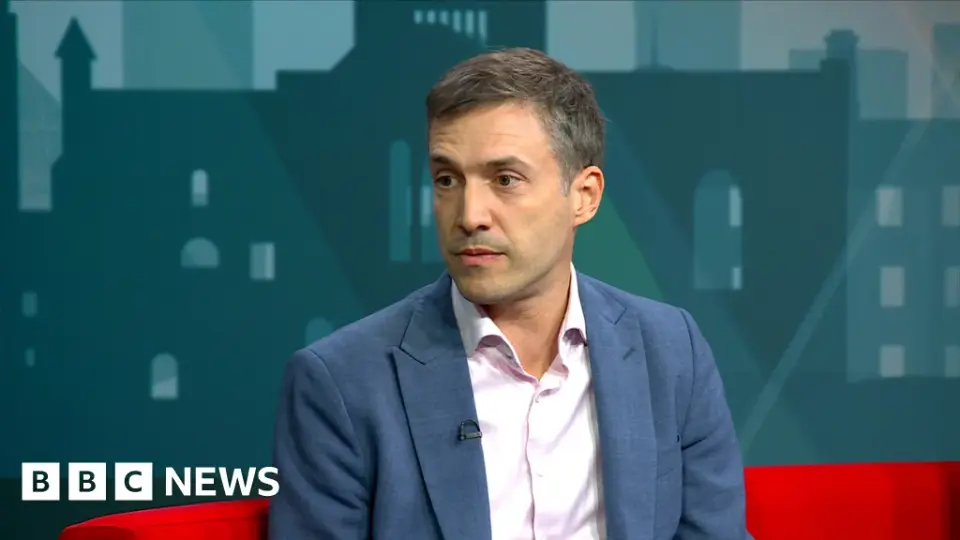
Former Green Party co-leader Adrian Ramsay warns the party is at a 'crossroads' following a divisive motion declaring Zionism a form of racism. Ramsay urges a return to core environmental values to appeal to the broader public, while current leader Zack Polanski defends the motion's core stance on Palestinian displacement despite admitting he would not have voted for it.
Key points
- Adrian Ramsay, former co-leader and MP for Waveney Valley, stated the Green Party is at a critical juncture and must avoid a 'divisive' approach to achieve environmental goals.
- The party recently adopted a motion defining Zionism as an ethnonationalist ideology supporting the disenfranchisement of Palestinians, a move Ramsay described as 'deeply uncomfortable'.
- Current leader Zack Polanski, who did not vote on the motion, defended its core assertion that Palestinian displacement is underpinned by racist ideology but opposed the call for a single democratic state.
- Ramsay emphasized the need for consensus-building and grassroots engagement, arguing that the party must appeal to a majority of British voters to implement necessary environmental changes.
- The controversy has led to external backlash, including a ban on Polanski from entering Israel and a formal inquiry from the Equality and Human Rights Commission.
Background
This internal rift follows a turbulent period for the Green Party, including a by-election defeat for Polanski in Holborn and St Pancras in October 2026. Previous coverage noted that Polanski faced intense pressure to resign after losing the seat to Labour candidate Sagal Abdi-Wali, a result that intensified scrutiny of the party's decision-making processes and its stance on the Zionism motion.
Why it matters
The debate over the Zionism motion highlights a fundamental strategic conflict within the Green Party between maintaining a hardline stance on international justice and pursuing broad electoral appeal. If the party fails to reconcile these positions, it risks further isolation from mainstream political allies and potential electoral losses, while the ongoing legal and diplomatic repercussions could impact the party's standing with international partners and domestic civil rights organizations.
What to watch
The party is expected to address the motion during its spring conference next year, where Ramsay suggests there may be an opportunity to take action. Polanski has indicated he will not overturn the motion before 2028 but has expressed a desire to amend it in the future. The outcome of this internal debate will likely determine the party's cohesion and its ability to attract wider public support in upcoming elections.
Want the full story? Read the original reporting
Read on BBC